
TL;DR

Get home appliances delivered free with Prime
- Fast, free delivery on millions of items
- Prime Video, Amazon Music and more included
- Member-only deals all year
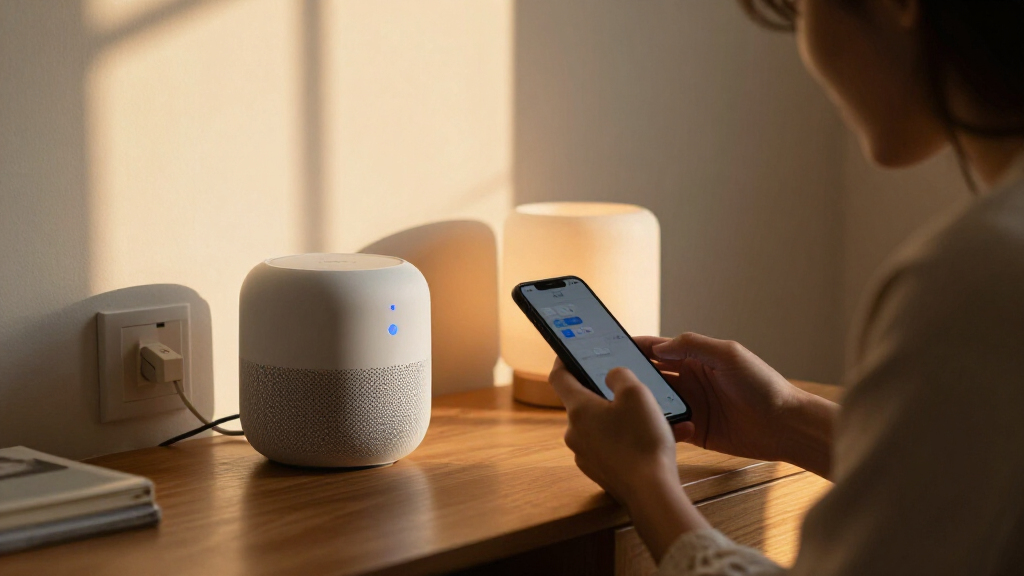
A Matter Alpha contributor describes five household uses for Matter-connected devices: leak alerts, remote light control, presence-based fan and light automation, humidity monitoring, and room-by-room temperature checks. The account is a personal report, not a controlled test; device costs, battery upkeep and compatibility vary by setup.
A Matter Alpha contributor says a home setup built over about two years has helped address five recurring household problems, from detecting water leaks to managing lights and monitoring room conditions. The account describes one household’s experience with Matter-connected sensors and automations; it does not establish that every device or platform will work the same way in other homes.
For leak detection, the contributor uses IKEA’s KLIPPBOK water leak sensor, which sounds an alarm when it contacts water. The writer says connecting it to a smart-home platform through Matter also enables phone notifications while away. The sensor can sound locally without Matter, according to the report; remote alerts depend on the connected home setup.
The other examples focus on reducing small daily tasks. The writer set up a Homey automation to switch off several lights together, including when the family has left home. A pantry light is paired with a presence sensor so it turns off when the space is unoccupied. Presence sensors also control ceiling fans, turning them on or off based on whether someone is in a room.
For indoor conditions, the contributor uses humidity sensors, including SwitchBot Meter Plus and IKEA ALPSTUGA, to track changes and potentially trigger a compatible humidifier. Temperature sensors provide readings for individual rooms that may differ from the hallway thermostat. The report says some devices or platforms can retain historical readings, but does not specify which configurations support that function or provide measured results.
Small Automations, Daily Household Tasks
The examples show the kind of practical benefit Matter proponents point to: connecting sensors and household devices so that an alert or action can happen without someone checking each room. A leak notification could give a resident an earlier chance to respond, while presence-based controls may reduce unnecessary lighting or fan use. These are potential household conveniences, not quantified savings or guarantees against damage.
The report also illustrates that Matter is part of a system rather than a complete solution on its own. Users need compatible devices, a suitable smart-home platform and working automations. For a reader weighing an installation, the relevant question is whether those connections solve a persistent problem enough to justify device, battery and setup costs.
Products Worth Considering

Philips Hue Bridge Pro Smart Lighting Hub

Samsung 42-Inch Class OLED S90F 4K Smart TV (2025)

Samsung 48-Inch S90H OLED 4K Smart TV (2026)
As an affiliate, we earn on qualifying purchases.
A Two-Year Home Matter Setup
The author frames the piece as a personal account after spending much of the past two years adding Matter devices at home. The described setup uses a Homey Pro platform for at least some automations, alongside products from IKEA and SwitchBot. The report’s examples therefore reflect one combination of products and a four-person household, rather than a test across different homes or ecosystems.
Matter compatibility is described as a way to connect supported devices with a smart-home platform, often by scanning a device’s QR code. But the supplied account does not provide a complete device list, purchase prices, battery-life measurements or details of network conditions. It also notes that some functions, such as a leak sensor’s local alarm, can work without Matter, while remote notifications depend on integration.
““I simply scan the QR code on the back of the device using my smart home platform app of choice.””
— Matter Alpha contributor
Costs and Compatibility Still Vary
The account does not report independent testing, measured reductions in energy use, quantified avoided water damage or a full cost comparison. It says individual sensors may be inexpensive but that buying several, along with batteries, adds to the expense. The writer does not give a total outlay or replacement schedule.
It is also unclear how consistently the described automations would work across other Matter platforms, device models or home networks. The report does not detail connectivity failures, setup problems, alert delays or the precise requirements for remote notifications. Its conclusions should be read as one user’s experience, not a guarantee of performance.
Households Must Weigh Setup Costs
The report identifies no scheduled product launch, policy change or follow-up test. For households considering similar uses, the next practical step is to check that each sensor, light, fan control and platform supports the desired Matter functions, then account for batteries and any additional equipment. Readers may also want to test alerts and automations before relying on them for water-leak warnings or unattended controls.
Whether the setup is worthwhile remains a household decision. The contributor’s examples suggest starting with a recurring problem—such as a frequently forgotten light or a hard-to-monitor leak risk—and adding only the devices needed to address it.
Key Questions
What five problems did the Matter setup address?
The contributor describes leak alerts, lights left on, fans that need manual control, changing humidity and uneven room temperatures.
Does the IKEA KLIPPBOK need Matter to detect water?
According to the report, the sensor can sound a local alarm when it contacts water without Matter. Matter integration is used for phone notifications through the connected smart-home platform.
Did the report measure energy savings or money saved?
No. It gives personal examples but provides no measured energy savings, avoided damage or overall cost calculation.
What ongoing costs or work may be involved?
The contributor says multiple sensors and batteries can add up. The report does not provide a total price or battery replacement interval, so upkeep will depend on the devices and home setup.
Source: rss