To create a biophilic bathroom, focus on maximizing natural light with large windows, skylights, or glass doors, and use reflective surfaces to amplify it. Incorporate eco-friendly materials like reclaimed wood and sustainable tiles, and add lush plants near sunlight for air purification. Water features like fountains add calming sounds and tranquility. Combining these elements, you’ll craft a space that nurtures well-being and energy efficiency—exploring these ideas further can help you design your perfect oasis.
Key Takeaways
- Maximize natural light with large windows, skylights, and reflective surfaces to create a bright, airy bathroom atmosphere.
- Incorporate eco-friendly materials like bamboo and reclaimed wood for sustainable, textured design elements.
- Add greenery near windows and water features such as fountains to promote relaxation and air purification.
- Use lighting fixtures with warm LED bulbs and sustainable materials to enhance ambiance after sunset.
- Design with a seamless blend of natural elements, water, and light to foster a calming, biophilic environment.
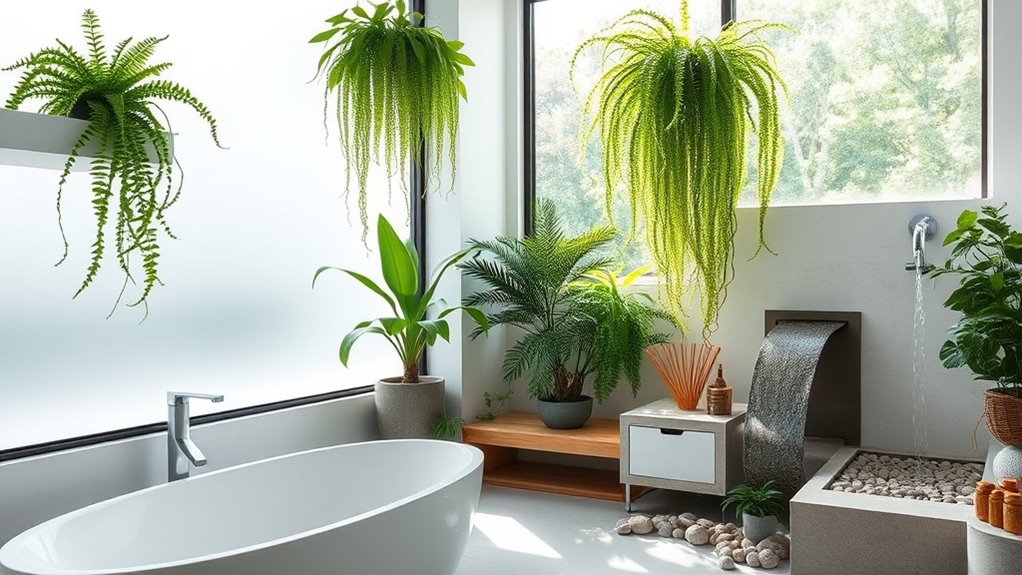
Ever wondered how to transform your bathroom into a calming oasis? The key lies in embracing biophilic design principles that seamlessly blend nature with your daily routine. One of the most effective ways to achieve this is by maximizing natural lighting. Large windows, skylights, or glass doors can flood your space with sunlight, creating a bright, inviting atmosphere. Not only does natural lighting enhance the overall ambiance, but it also reduces the need for artificial lights during the day, making your bathroom more energy-efficient. To complement this, opt for eco-friendly materials that support sustainability and health. Bamboo, reclaimed wood, and recycled tiles add warmth and texture while minimizing environmental impact. These materials are durable, easy to maintain, and contribute to a healthier indoor environment by reducing the release of harmful chemicals often found in traditional building supplies.
When designing with natural lighting in mind, consider the placement of plants and water features. Position your greenery near windows to ensure they thrive with ample sunlight, which in turn purifies the air and adds a vibrant touch to your space. Incorporate water elements like a small fountain or a basin with flowing water, which not only contribute to a soothing atmosphere but also introduce the calming sound of water. The gentle trickle can help drown out noise and promote relaxation, turning your bathroom into a sanctuary. Pairing these features with eco-friendly materials enhances the overall sustainability of your design, creating a space that’s both beautiful and environmentally conscious. Additionally, recognizing the significance of soulmate angel numbers can inspire a sense of harmony and positive energy within your space, aligning your environment with your personal growth journey.
Lighting fixtures should be carefully selected to work in harmony with natural light, providing soft, warm illumination during the evening. Use LED bulbs with a warm color temperature to mimic daylight, and select fixtures made from sustainable or recycled materials. This approach guarantees your bathroom remains eco-friendly even after sunset. Additionally, incorporating reflective surfaces like mirrors and light-colored tiles can amplify the natural light, making the space feel larger and more open. The goal is to create a seamless flow between indoors and outdoors, where natural elements and sustainable choices elevate your daily routine into a restorative experience. By focusing on natural lighting and eco-friendly materials, you’re not just designing a pretty bathroom—you’re cultivating a healthy, sustainable environment that nurtures your well-being.
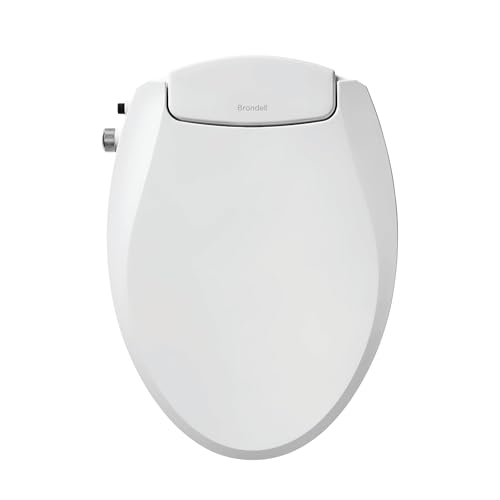
Brondell Bidet Toilet Seat Non-Electric Swash Ecoseat, Fits Elongated Toilets, White - Dual Nozzle System, Ambient Water Temperature - Bidet with Easy Installation
CLEAN AND REFRESHING: With Brondell’s Ecoseat 101 Bidet, you’ll experience a soothing, freshwater wash that leaves you feeling...
As an affiliate, we earn on qualifying purchases.
Frequently Asked Questions
How Do I Maintain Humidity Levels for Bathroom Plants?
To maintain humidity levels for your bathroom plants, you should set a consistent plant watering schedule, ensuring they stay moist but not waterlogged. Use humidity control devices like humidifiers or pebble trays filled with water to boost moisture in the air. Regularly mist your plants, especially during dry seasons, and monitor humidity levels with a hygrometer to keep conditions ideal for your plants’ health.
What Are the Best Water-Efficient Features for Biophilic Bathrooms?
Did you know eco-friendly fixtures can save up to 50% of water use? To make your bathroom more sustainable, opt for water-efficient features like low-flow toilets, aerated faucets, and dual-flush systems. Combine these with water-saving techniques like reusing greywater and installing motion sensors. These choices not only conserve water but also reduce your utility bills, supporting a greener, more biophilic space that benefits both you and the environment.
Can Natural Light Be Effectively Used in Windowless Bathrooms?
You can effectively use natural light in windowless bathrooms by installing skylights that bring in sunlight from above. Strategically placing mirrors helps reflect this light, making the space feel brighter and more open. When natural light isn’t enough, combine it with artificial lighting options like LED fixtures and layered lighting to create a warm, inviting atmosphere that enhances your biophilic design.
Which Plants Are Most Resistant to Bathroom Humidity and Mold?
You’ll love these moisture-tolerant succulents and mold-resistant ferns—perfect for your humid bathroom. Imagine succulents thriving even with all that steam, while ferns bravely resist mold like tiny warriors. These hardy plants handle high humidity and damp conditions, making them ideal choices. So, when you’re decorating your bathroom jungle, trust these resilient greens to stay vibrant and mold-free, no matter how steamy your routine gets.
How Can I Incorporate Soundproofing Into a Biophilic Bathroom Design?
You can incorporate soundproofing into your biophilic bathroom by choosing soundproofing materials like acoustic panels or dense insulation, which absorb noise effectively. Incorporate acoustic design elements such as soft water features and plush towels to minimize sound travel. Adding natural materials like bamboo or cork also helps dampen noise while blending seamlessly with your plant-inspired aesthetic. These strategies create a peaceful, nature-inspired sanctuary free from disruptive sounds.

BIGCOW Ultra-Slim Bidet Attachment for Toilet - Dual Nozzle (Frontal & Rear Wash) with Adjustable Cold Water Pressure and Stainless Steel Inlet - Hygienic Solution for Fresh Cleanliness, Silver 1 Pcs
【Dual Spraying Modes】- This toilet bidet offers both rear wash for thorough cleaning and a specially designed frontal...
As an affiliate, we earn on qualifying purchases.
Conclusion
By embracing biophilic design in your bathroom, you create a sanctuary that transforms ordinary space into a lush paradise. Incorporate vibrant plants, soothing water features, and natural light to reconnect with nature every day. Your bathroom will become more than just a functional space—it’s a breathtaking oasis that refreshes your mind and soul, making you feel like you’ve stepped into a serene rainforest. Start today, and watch your bathroom bloom into an extraordinary haven!
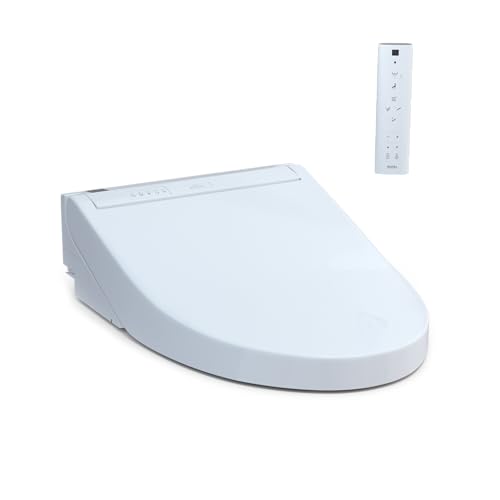
TOTO® WASHLET® C5 Electronic Bidet Toilet Seat with PREMIST and EWATER+ Wand Cleaning, Elongated, Cotton White - SW3084#01
A REFRESHING CLEAN FOR EVERYONE - Gentle yet powerful water spray provides an effective clean; Adjustable warm water...
As an affiliate, we earn on qualifying purchases.

Tadashi Bidet Toilet Seat Elongated, Heated Toilet Seat, Instant Warm Water & Dryer, Feminine & Rear Wash, Self-Clean Nozzle, Slow Close Lid, Child/ECO/Silent Mode
Dual Control Convenience: Enjoy the flexibility of a sleek 【Digital Remote】 and a 【Comprehensive Knob Control 】with Night...
As an affiliate, we earn on qualifying purchases.