Fluted and textured bathroom surfaces are trending for adding visual interest and tactile richness to your space. You can choose natural stone like marble, granite, or limestone, or opt for engineered materials such as waterproof porcelain tiles. Proper installation involves sealing and waterproof finishes to protect against moisture and stains, ensuring durability. These surfaces are versatile and can be used in accent walls, shower niches, or backsplashes. If you continue exploring, you’ll discover key tips for creating stunning and long-lasting textured bathrooms.
Key Takeaways
- Explore popular trends in fluted and textured bathroom surfaces, including modern, natural stone, and engineered materials.
- Understand the benefits of textured surfaces for aesthetic appeal and tactile experience in bathroom design.
- Learn essential installation tips, such as proper surface preparation, sealing, and waterproofing for durability.
- Discover suitable materials like marble, granite, and porcelain, and how to customize patterns to match your style.
- Follow maintenance guidelines to preserve the beauty and longevity of textured surfaces through regular sealing and care.

Are you looking to add visual interest and tactile richness to your bathroom? Incorporating fluted and textured surfaces can dramatically transform the space, creating a modern yet timeless appeal. One effective way to achieve this look is by using natural stone materials. Natural stone, such as marble, granite, or limestone, offers unique textures and patterns that bring depth and character to your bathroom walls or shower surrounds. Its inherent variability ensures no two pieces are exactly alike, giving your space a bespoke feel. When working with natural stone, it’s vital to choose waterproof finishes to protect the material from moisture and ensure longevity. Waterproof sealants or coatings are applied after installation, safeguarding the stone against water infiltration, stains, and mold growth. This not only preserves the natural beauty but also maintains the surface’s durability over time.
Installing fluted or textured panels requires precision and proper preparation. Typically, these surfaces are created using specialized tools or molds to carve grooves or patterns into the material, whether it’s natural stone, ceramic, or porcelain. When selecting natural stone, you’ll want to consider its porosity and how it reacts to water. For example, marble’s porous nature makes waterproof finishes especially important, as it can absorb moisture and develop stains if left unprotected. Conversely, engineered materials like porcelain tiles often come pre-treated with waterproof coatings, simplifying maintenance and installation. The textured surfaces can be applied as accent walls, shower niches, or even as a backsplash behind the vanity. They add a tactile dimension that invites touch and visual intrigue, elevating the overall design. Additionally, incorporating textured surfaces has been shown to enhance the sensory experience in bathrooms, making daily routines more enjoyable.
When it comes to installation, proper sealing and finishing are key. After securing your textured panels, apply a high-quality waterproof sealant suited for your chosen material. This step ensures that moisture stays out of the pores or seams, preventing damage and maintaining the integrity of the design. Regular maintenance, including resealing as recommended by the manufacturer, keeps these surfaces looking fresh and ensures they continue to perform well. Additionally, selecting waterproof finishes that complement the natural beauty of the stone enhances the overall aesthetic, creating a cohesive, luxurious feel. Whether you opt for bold fluted patterns or subtle textured surfaces, combining natural stone with waterproof finishes allows you to enjoy both striking visuals and lasting durability. This approach not only elevates your bathroom’s style but also provides peace of mind, knowing your investment is protected against the dampness and humidity that characterize a well-used bathroom space. Focusing on waterproof finishes is essential for long-term success in textured bathroom surface installation.
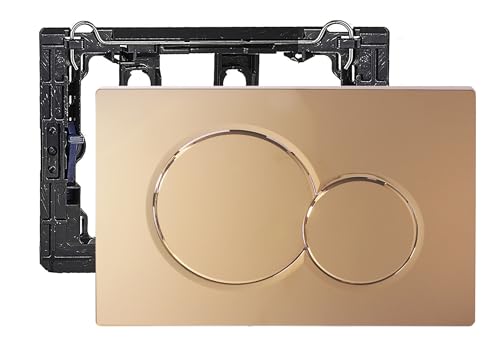
Dual Flush Actuator Plate Compatible with Geberit 115.770.46.6 Wall Mount Toilet Flush Actuator Plate Sigma01, Glossy Gold
Compatible With Geberit Flush Plate: This Dual flush actuator plate for use with geberit actuator plate, concealed tank...
As an affiliate, we earn on qualifying purchases.
Frequently Asked Questions
How Do I Clean and Maintain Fluted Bathroom Surfaces?
To clean and maintain fluted bathroom surfaces, you should use gentle cleaning techniques like soft cloths and non-abrasive cleaners to avoid damaging the textured details. Regular maintenance tips include wiping down surfaces after use to prevent soap scum and mineral buildup. For deeper cleaning, use a soft brush to reach into grooves, and avoid harsh chemicals that can erode the finish. Consistent care keeps your fluted surfaces looking fresh and beautiful.
Are Textured Surfaces More Prone to Mold and Mildew?
Yes, textured surfaces are more prone to mold and mildew because their surface porosity traps moisture and dirt. You need to stay vigilant with mold prevention by cleaning regularly and ensuring proper ventilation. Keep an eye out for any signs of mold growth, and use mildew-resistant products to protect your surfaces. With a little extra care, you can keep your textured bathroom surfaces looking fresh and mold-free.
Can I Install Fluted Surfaces Over Existing Tiles?
You can install fluted surfaces over existing tiles, but you should consider installation considerations and design compatibility first. Confirm the current tiles are clean, flat, and securely attached to avoid uneven surfaces or future damage. It’s also important to choose fluted designs that complement your bathroom’s style. Consulting a professional can help you assess the surface and ensure proper installation, resulting in a seamless, attractive update.
What Are the Best Sealing Options for Textured Finishes?
Your textured finishes deserve the best protection, and the right sealant can prevent damage from moisture and daily wear. Use a high-quality sealant compatible with your surface to guarantee longevity, especially since some products work better with textured areas. Consider grout alternatives like epoxy or silicone caulk for seamless sealing. These options provide superior adherence and flexibility, keeping your beautiful textures intact and making your bathroom feel like a luxurious retreat.
How Durable Are Fluted Surfaces in High-Moisture Areas?
Fluted surfaces are quite durable in high-moisture areas if you choose the right materials. Opt for high-quality, moisture-resistant options like glazed ceramic or porcelain, which enhance surface durability and material longevity. Proper sealing and regular maintenance also play a big role in keeping the textured finish looking great over time. With these precautions, your fluted surfaces can withstand humidity and daily use, maintaining their beauty and function for years.

Geberit G115882161 Sigma 20 Dual Flush 1.6 / .8 GPF Actuator Plate Matte Black
Covered under Geberit's 1 year limited warranty
As an affiliate, we earn on qualifying purchases.
Conclusion
By choosing fluted or textured bathroom surfaces, you add depth and style that elevate your space. For example, imagine transforming your bathroom with a textured wall feature—creating visual interest and hiding minor flaws. When installed correctly, these surfaces not only enhance aesthetics but also boost durability. So, whether you opt for subtle fluting or bold textures, embracing these trends can truly personalize your bathroom while ensuring long-lasting beauty and functionality.

Geberit 115.882.ID.1 Actuator Plate Sigma20 Brushed Nickel Us
Covered under Geberit's 1 year limited warranty
As an affiliate, we earn on qualifying purchases.

Dual-Flush Actuator Plate for Concealed Cisterns Jet Black Gloss Compatible with 115.770.DW.5 Sigma01 Wall Mount Toilets Series
Color:Jet Black, Gloss; Material: High-quality molded plastic
As an affiliate, we earn on qualifying purchases.