Anti-fog mirrors prevent fogging by using specialized coatings that manage moisture buildup. Hydrophilic coatings spread water into a thin layer, while hydrophobic coatings repel it, creating beads. You can also use DIY solutions like dish soap or shaving cream to minimize fog. However, temperature and humidity can impact effectiveness. Regular cleaning and proper ventilation are key to keeping mirrors clear. If you want to explore more effective techniques and methods, there’s plenty more to discover.

Get home appliances delivered free with Prime
- Fast, free delivery on millions of items
- Prime Video, Amazon Music and more included
- Member-only deals all year
Key Takeaways
- Mirror fogging occurs when warm, moist air meets cooler surfaces, causing condensation and tiny water droplets to form.
- Anti-fog coatings, such as hydrophilic and hydrophobic, effectively manage moisture buildup through different mechanisms.
- Chemical anti-fog products like sprays and wipes can create protective layers to prevent fogging.
- DIY solutions using items like dish soap or vinegar can also help reduce fog buildup on mirrors.
- Proper maintenance, including regular cleaning and using exhaust fans, enhances the effectiveness of anti-fog treatments.
As an affiliate, we earn on qualifying purchases.
What Causes Mirrors to Fog Up?
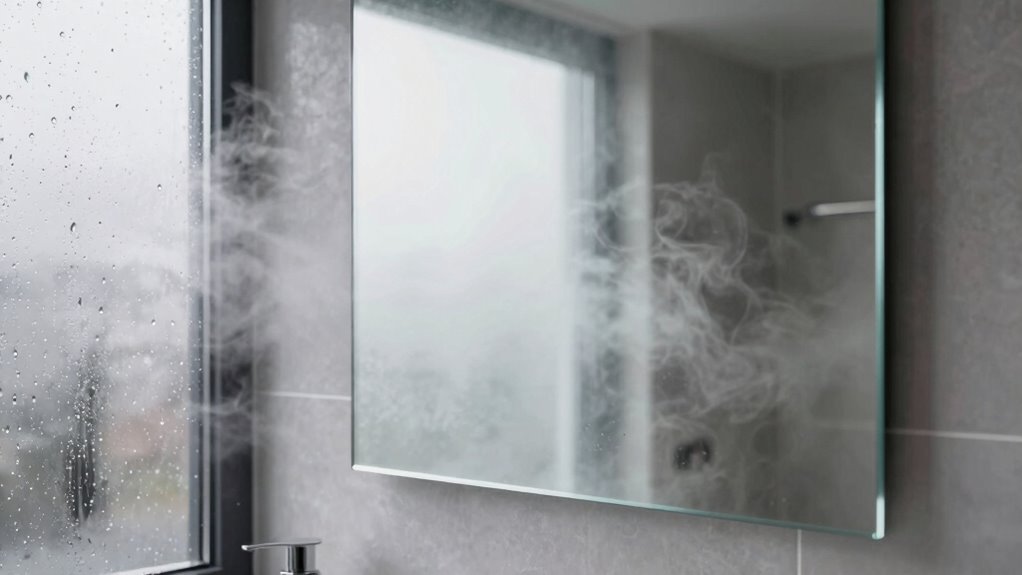
When you step out of a hot shower, the sudden temperature change often causes your bathroom mirror to fog up. This mirror condensation happens because warm, moist air from the shower hits the cooler surface of the mirror, leading to tiny water droplets forming. You see this effect whenever the warm air can’t escape, creating a clouded surface. To tackle fog prevention, you can try a few tricks. Using a squeegee after your shower can clear the mirror quickly. Additionally, keeping the bathroom ventilated will help reduce humidity. Some folks even apply shaving cream or dish soap to the mirror for an extra layer of protection. These methods can make your mirror clearer, enhancing your post-shower routine. Moreover, maintaining good indoor air quality is essential, as it can reduce overall humidity levels in your home. Keeping your home’s air quality in check not only helps with foggy mirrors but also creates a healthier living environment. Additionally, ensuring that your bathroom is equipped with proper ventilation systems can significantly improve air circulation and reduce moisture buildup. Utilizing filtration techniques can further enhance air quality by removing excess humidity from the bathroom.
How Anti-Fog Coatings Work

Anti-fog coatings use advanced technology to prevent moisture buildup on your mirrors. You’ll find two main types: hydrophilic and hydrophobic, each working differently to keep your view clear. Let’s explore how these coatings are applied and what makes them effective.
Coating Technology Explained
While you might not notice it at first glance, the science behind anti-fog coatings is fascinating and highly effective. These coatings work by altering how water interacts with the surface, preventing fog from forming. There are various coating types, each designed for specific environments and applications. Some are more effective than others, depending on their durability and resistance to wear. When evaluating performance metrics, factors like clarity, longevity, and ease of application come into play. The best anti-fog coatings minimize surface tension, allowing condensation to spread into a thin, transparent layer instead of pooling into droplets. This technology guarantees your mirrors stay clear, enhancing both visibility and safety in everyday situations. Additionally, understanding anti-fog technology can help consumers choose the right product for their specific needs.
Hydrophilic vs. Hydrophobic
How do hydrophilic and hydrophobic properties influence anti-fog coatings? Hydrophilic coatings attract water, spreading it into a thin layer that prevents fogging. This offers clear visibility, showcasing hydrophilic benefits like reduced glare. In contrast, hydrophobic coatings repel water, causing droplets to bead up. While they can be effective, they come with hydrophobic drawbacks, such as a higher likelihood of fog formation when humidity levels rise.
Here’s a comparison of the two:
| Property | Hydrophilic | Hydrophobic |
|---|---|---|
| Water Interaction | Spreads water for clarity | Repels water, forms beads |
| Fog Prevention | Effective in high humidity | Less effective in extreme humidity |
| Maintenance | Requires regular cleaning | Easier to clean |
Choosing the right coating is essential for peak anti-fog performance.
Application Methods Overview
Understanding the differences between hydrophilic and hydrophobic coatings sets the stage for exploring application methods that enhance anti-fog performance. Hydrophilic coatings attract water, spreading it into a thin layer, while hydrophobic coatings repel it, causing droplets to bead up. You’ll find various application techniques, including sprays, wipes, and pre-treated surfaces, each offering unique benefits. When considering product comparisons, think about durability and ease of use. Some coatings might require periodic reapplication, while others offer long-lasting protection. Ultimately, your choice depends on your specific needs and environment. By understanding these methods, you can guarantee peak anti-fog performance for your mirrors, helping you maintain clear visibility when it matters most.
Choosing the Right Commercial Anti-Fog Product

When you’re picking a commercial anti-fog product, you need to evaluate the different types available and how they’re applied. Each solution has its own durability and longevity, which can impact your choice. Let’s explore what makes each option stand out and how to use them effectively.
Types Of Anti-Fog Solutions
Choosing the right commercial anti-fog product can make a significant difference in maintaining clear visibility, especially in humid environments. You’ll find two main types of solutions: chemical treatments and surface treatments. Chemical treatments often involve sprays or wipes that create a protective layer, preventing condensation from forming. These are easy to apply and can be effective for various surfaces. On the other hand, surface treatments are typically applied during manufacturing, embedding anti-fog properties directly into the material. They offer long-lasting performance but may limit your choices regarding customization. Assess your specific needs, such as durability and ease of application, to select the best option for your mirrors. Your clarity and safety depend on it!
Application Techniques Explained
To achieve the best results with your anti-fog product, it’s important to apply it correctly. Start by selecting a high-quality solution that fits your needs; product comparisons can help you make an informed choice. Clean your mirror thoroughly before application, as dirt or residue can hinder effectiveness. Use a soft cloth or applicator, following the manufacturer’s instructions for even coverage.
Allow the product to dry as recommended; this step is vital for peak performance. You may need to reapply periodically, depending on the specific product’s guidelines. Experiment with different application techniques to find what works best for you. Remember, proper application is key to maximizing your anti-fog mirror’s benefits and ensuring a clear view.
Durability And Longevity Factors
While selecting a commercial anti-fog product, it’s crucial to evaluate its durability and longevity. You want something that not only works but lasts through consistent use. Here are key factors to take into account:
- Durability Testing: Look for products that undergo rigorous testing to verify they can withstand wear and tear.
- Longevity Expectations: Check reviews or specifications to gauge how long the anti-fog effect lasts.
- Environmental Resistance: Ascertain the product can handle humidity and temperature changes.
- Ease of Application: A durable product should be easy to apply without extensive preparation.
- Warranty or Guarantee: A solid warranty can provide peace of mind regarding the product’s longevity.
Effective DIY Methods to Keep Your Mirrors Clear

When you step out of a hot shower, the last thing you want is to wrestle with a foggy mirror. You can tackle this issue with effective DIY solutions using common household items. Try rubbing a bit of dish soap or shaving cream on the mirror’s surface; it serves as a quick fix, preventing fog build-up. For natural alternatives, a mixture of vinegar and water works wonders as a surface treatment. Implementing preventative measures like opening a window can help reduce humidity. Consider long-term strategies, such as applying a dedicated anti-fog treatment. Regular mirror maintenance is key, so make these methods part of your routine to keep your mirrors clear and functional all year round. Additionally, using acoustic treatments in your bathroom can help minimize humidity and maintain clarity on your mirrors. Furthermore, maintaining air quality in the bathroom can significantly reduce moisture levels and fog formation.
How Temperature and Humidity Affect Mirror Fogging?

Foggy mirrors often result from the interplay of temperature and humidity. When you step out of a hot shower, warm steam increases humidity levels, causing the mirror to fog. The temperature effects are significant; cooler surfaces attract moisture, leading to condensation. Here’s how temperature and humidity influence fogging:
- Warm air holds more moisture than cold air.
- Higher humidity levels exacerbate fogging.
- Cooler mirrors cool the air near them, promoting condensation.
- Temperature fluctuations in the bathroom can worsen fog.
- Ventilation can help manage both temperature and humidity.
Common Reasons Anti-Fog Methods Fail?

Many people turn to anti-fog methods hoping for a clear view, but several factors can cause these solutions to fail. One common misconception is that all products are equally effective, leading to failed expectations. Improper application or insufficient coverage can also contribute to fogging.
Here’s a quick look at some reasons anti-fog methods don’t work:
| Reason | Explanation |
|---|---|
| Inconsistent Application | Not applying evenly can lead to spots. |
| Product Quality | Cheaper products may lack efficacy. |
| Environmental Factors | High humidity can overwhelm solutions. |
Understanding these pitfalls can help you choose the right anti-fog method for better results.
Maintaining Your Anti-Fog Solutions

To guarantee your anti-fog solutions remain effective, regular maintenance is essential. By incorporating proper mirror maintenance and effective cleaning techniques, you can help confirm your mirrors stay fog-free. Here are some tips to keep in mind:
- Clean mirrors with a non-abrasive cloth to avoid scratches.
- Use anti-fog sprays or solutions as directed, and reapply as needed.
- Avoid harsh chemicals that can damage the anti-fog coating.
- Store mirrors in a dry, temperature-controlled environment to prevent degradation.
- Regularly inspect for any signs of wear or damage to the anti-fog layer.
Tips for Keeping Your Mirrors Clear in Different Conditions

Sure! Here’s the modified content with the requested changes:
—
While environmental conditions can vary greatly, there are effective strategies you can use to keep your mirrors clear. Focus on steam reduction by using exhaust fans in bathrooms or opening windows to allow airflow. Regular mirror maintenance is essential; clean your mirrors with a solution that prevents fog buildup. Additionally, consider investing in anti-fog technology to enhance your mirror’s clarity, as it can significantly improve kitchen appliance efficiency. Maintaining indoor air quality is also crucial, as it can help reduce humidity levels. Furthermore, utilizing smart controls for HVAC systems can optimize air circulation, which directly impacts moisture levels. Understanding real-world safety principles can further guide your everyday choices.
Here’s a quick reference table to help you stay ahead:
| Condition | Tip | Emotional Impact |
|---|---|---|
| High Humidity | Use exhaust fans | Peace of mind |
| Cold Weather | Warm up the bathroom | Cozy comfort |
| Steamy Showers | Open a window | Invigorating clarity |
| Rainy Days | Wipe mirrors with vinegar | Clear vision for safety |
| Winter Mornings | Warm water rinse | Start your day right |
These tips can make a big difference!
Frequently Asked Questions
Can Anti-Fog Mirrors Be Used in Outdoor Settings?
Yes, you can use anti-fog mirrors in outdoor settings. Their outdoor durability often stands up against various weather conditions, but it’s crucial to check the manufacturer’s specifications. Some products may not perform well under extreme temperatures or humidity. Additionally, consider the environmental impact of the materials used in the mirror. Choosing eco-friendly options can guarantee you’re making a responsible choice while enjoying a clearer view outdoors.
Are There Any Health Risks Associated With Anti-Fog Coatings?
Yes, there can be health concerns associated with some anti-fog coatings. Certain coating materials may release volatile organic compounds (VOCs) that can irritate your eyes, skin, or respiratory system. While many products are safe, it’s important to check for any specific warnings or ingredients. If you’re sensitive or have allergies, consider researching the coatings used in your mirror to guarantee they won’t pose any risks to your health.
How Long Do Anti-Fog Treatments Typically Last?
Anti-fog treatments typically last anywhere from a few weeks to several months, depending on the product and usage. Imagine stepping into a steamy bathroom, only to find your mirror crystal clear. To maintain that clarity, you should follow some simple maintenance tips. Regularly clean the surface without harsh chemicals, and reapply the treatment as needed. This way, you’ll enjoy fog-free reflections for as long as possible, enhancing your daily routine.
Can I Reapply Anti-Fog Solutions Without Damaging the Mirror?
Yes, you can reapply anti-fog solutions without damaging the mirror. For effective reapplication techniques, clean the mirror surface first to remove any residue. Use a soft cloth to apply the anti-fog solution evenly, ensuring you cover all areas. Regular mirror maintenance helps prolong the effectiveness of the treatment, so consider reapplying every few weeks or as needed. Just be gentle, and you won’t harm your mirror while keeping it fog-free.
Do Natural Materials Work as Effective Anti-Fog Solutions?
Natural remedies can work as anti-fog solutions, but their effectiveness comparison to commercial products is often mixed. You might find that substances like vinegar or soap can reduce fogging, but they may not last as long or be as reliable. If you’re looking for a quick fix, these options could help, but for long-term results, you might want to stick with specialized anti-fog treatments that are specifically designed for mirrors.
Conclusion
To sum up, keeping mirrors fog-free can be a challenge, but understanding the science behind it makes a difference. Did you know that nearly 60% of bathroom mirror fogging happens during colder months? By using effective anti-fog coatings and DIY methods tailored to your specific environment, you can tackle this issue head-on. So, whether you’re prepping for a shower or getting ready for the day, you can enjoy a clear reflection every time!
Fall yard work Picks
leaf blowers
As an affiliate, we earn on qualifying purchases.