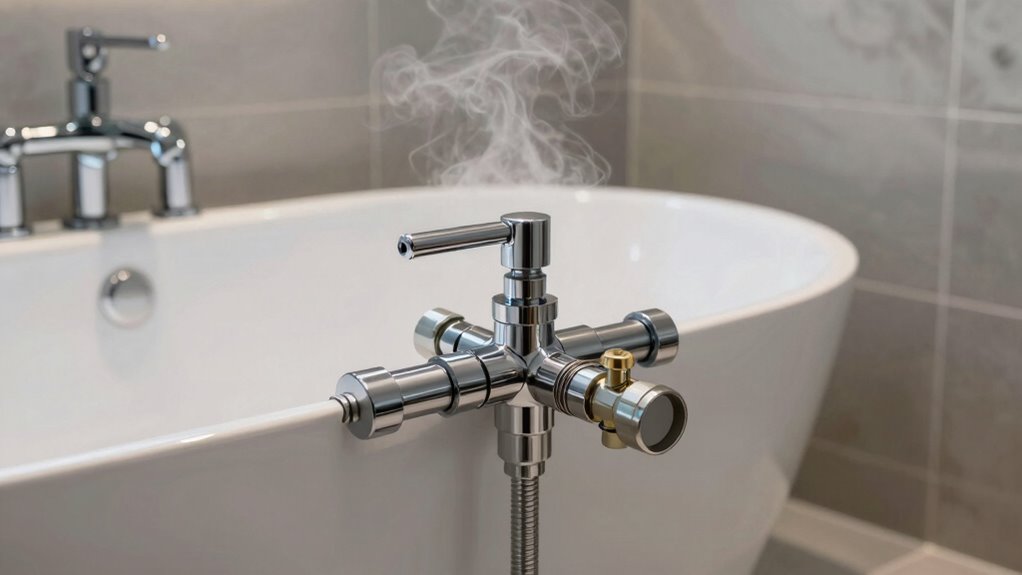

If your bathroom takes forever to get hot water, you’re likely dealing with issues like distance from the heater, poor insulation, or outdated plumbing. A hot water recirculation pump can solve these problems by continuously moving hot water through your pipes, so it’s readily available when you need it. This not only saves time but reduces water waste and energy costs. Want to discover more about how these systems work and their benefits?

Get home appliances delivered free with Prime
- Fast, free delivery on millions of items
- Prime Video, Amazon Music and more included
- Member-only deals all year
Key Takeaways
- Distance from the water heater to the faucet significantly increases wait time for hot water delivery.
- Lack of proper insulation in pipes leads to temperature loss before reaching the faucet.
- Faucet design can hinder flow rates, contributing to longer wait times for hot water.
- Hot water recirculation pumps eliminate wait times by keeping water continuously circulating through the plumbing.
- Regular maintenance of recirculation systems ensures optimal performance and minimizes delays in hot water access.
As an affiliate, we earn on qualifying purchases.
Why Does Hot Water Take So Long to Reach the Faucet?
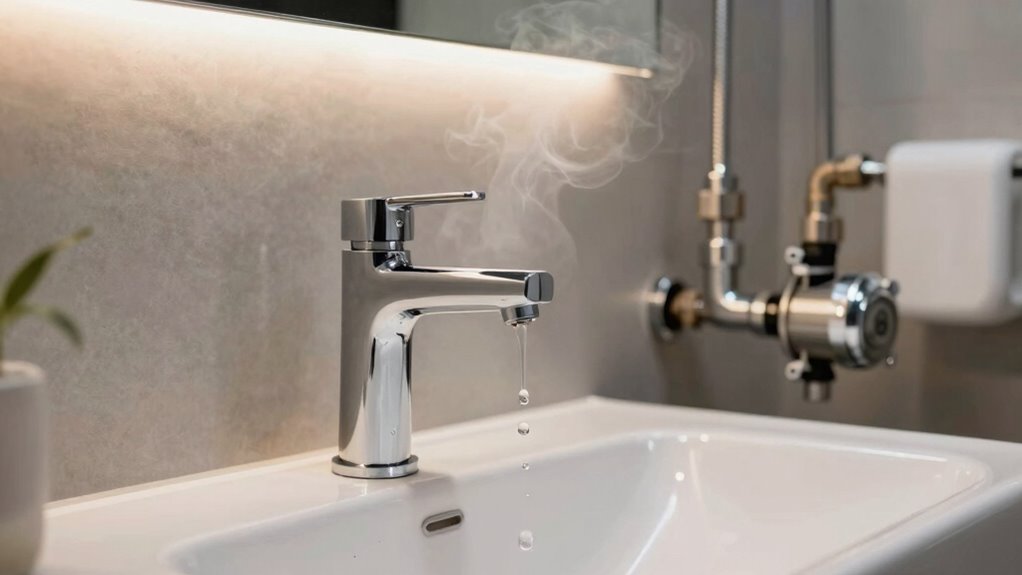
Have you ever wondered why it takes so long for hot water to reach your faucet? Several factors cause delays. First, the distance from your water heater to the faucet plays a big role; longer plumbing layouts mean more time for hot water to travel. If your pipes lack proper insulation, you’ll experience significant temperature loss, making the wait even longer. Additionally, the design of your faucet can affect flow rates, complicating matters further. Finally, user habits—like running the tap while waiting—can add to your frustration. By understanding these issues, you can take steps to improve your hot water delivery, whether it’s enhancing pipe insulation or optimizing your plumbing layout for efficiency.
What Is a Hot Water Recirculation Pump?
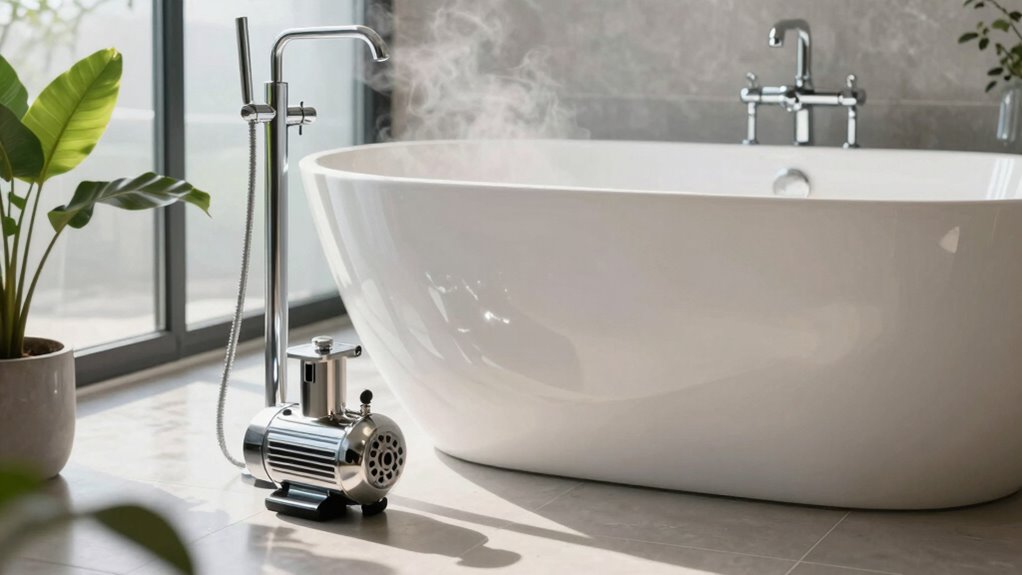
A hot water recirculation pump is a device designed to provide instant access to hot water at your faucets, eliminating the frustrating wait. This system works by keeping hot water circulating through your pipes, guaranteeing it’s always ready when you need it.
| Feature | Details |
|---|---|
| Installation Cost | Varies by home size; consider plumbing needs. |
| Energy Efficiency | Can reduce water waste; check for energy ratings. |
| Maintenance Practices | Regular checks needed; verify no leaks or clogs. |
| Lifespan | Typically lasts 10-15 years with proper care. |
When deciding on a hot water recirculation pump, weigh these cost considerations and maintenance practices to guarantee you make the best choice for your home.
How Do Hot Water Recirculation Pumps Work?

Hot water recirculation pumps work by continuously moving water through your plumbing system, ensuring you have hot water available when you need it. You’ll find that a thermostat activates the pump, maintaining the right temperature and flow. This setup not only saves you time but also boosts energy efficiency, making your home more comfortable and eco-friendly.
Circulation System Basics
While you may not think about it often, hot water recirculation pumps play a vital role in delivering instant hot water throughout your home. These systems use various circulation methods to keep hot water flowing through your pipes, reducing the wait time at your taps. Fundamentally, the pump pushes hot water from your water heater into the plumbing lines, maintaining a steady temperature.
Regular system maintenance is essential for ideal performance. You should check the pump and pipes for leaks or blockages periodically. Additionally, verify that the timers or controls are functioning properly to avoid unnecessary energy waste. By understanding how these systems work and caring for them, you can enjoy quick, efficient hot water access whenever you need it.
Thermostat Activation Process
Understanding how hot water recirculation pumps operate can enhance your experience with instant hot water. The process begins with your thermostat settings, which dictate when the pump activates. When the water temperature drops below your desired level, the thermostat triggers the pump, circulating hot water through your pipes. This guarantees you get immediate hot water at the tap.
Temperature calibration is essential here; if the thermostat isn’t set correctly, you might wait longer for hot water or waste energy. Regularly checking and adjusting your thermostat settings helps maintain peak performance, making sure your system operates efficiently. With the right setup, you’ll enjoy the convenience of hot water without the long wait, making your bathroom experience much more enjoyable. Additionally, considering ergonomics in bathroom design can further enhance your overall comfort and well-being while using hot water fixtures.
Energy Efficiency Benefits
When you install a hot water recirculation pump, you’re not just enhancing convenience; you’re also boosting energy efficiency. These pumps work by keeping hot water readily available in your pipes, so you don’t waste time or water waiting for it to heat up. This not only provides immediate access to hot water but also leads to significant energy savings. By reducing the amount of water you let run down the drain, you lower your utility bills, contributing to cost reduction over time. Additionally, less energy is wasted heating up water repeatedly, which further enhances efficiency. Overall, a hot water recirculation pump is a smart investment that pays off in both comfort and savings. Moreover, maintaining optimal indoor air quality can further enhance the health benefits of your home environment. Furthermore, using a recirculation pump can complement your HVAC system by ensuring consistent temperature control throughout your home. Additionally, these systems can integrate with smart home technology to optimize energy management and further enhance overall efficiency. Importantly, energy efficiency measures like these can significantly reduce your environmental footprint. By implementing solutions such as energy-efficient appliances, you can further maximize your home’s efficiency and sustainability.
The Environmental Impact of Waiting for Hot Water
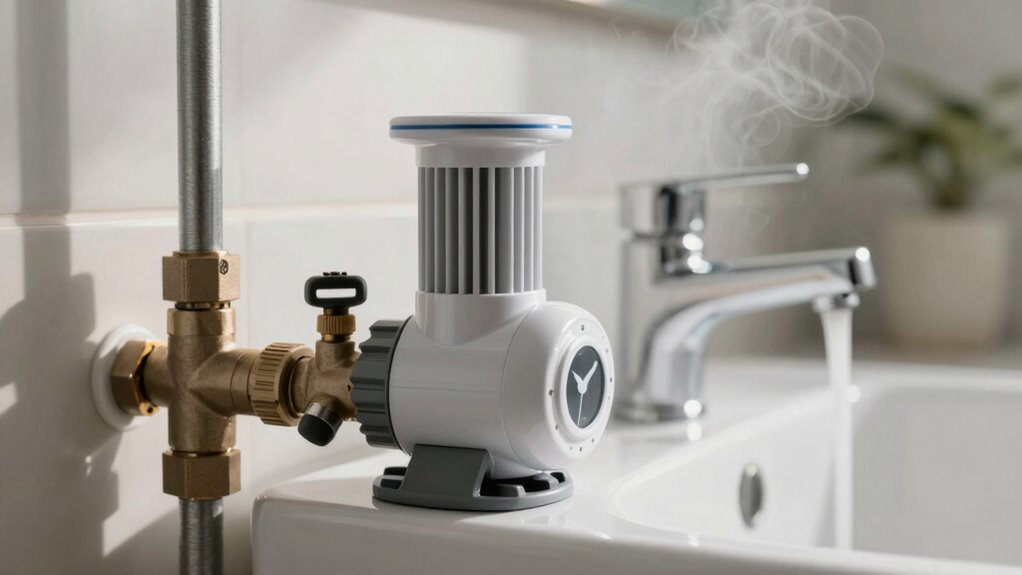
As you wait for hot water to flow from your tap, you’re not just wasting time; you’re also contributing to environmental strain. Each second you stand there, water waste adds up, and it’s not just a drop here and there. You’re flushing precious resources down the drain, which can lead to higher water usage and increased energy consumption as your heater works overtime. This unnecessary wait can greatly impact our environment, reducing potential environmental savings. By adopting solutions like hot water recirculation pumps, you can minimize water waste and enjoy hot water instantly. In fact, implementing filtration and suction basics can further enhance the efficiency of your plumbing system. Additionally, incorporating solar system design into your home can help reduce energy consumption, making your overall water heating process more sustainable. Utilizing strength training fundamentals can also lead to improved efficiency in your daily routine, allowing you to streamline tasks and save time. Using solar energy solutions can also significantly lower your carbon footprint. Furthermore, investing in tool power protection can help ensure that your electric systems operate efficiently and safely, further supporting your efforts to create a sustainable home. Making this change not only benefits your daily routine but also helps protect our planet for future generations.
Top Benefits of Hot Water Recirculation Pumps
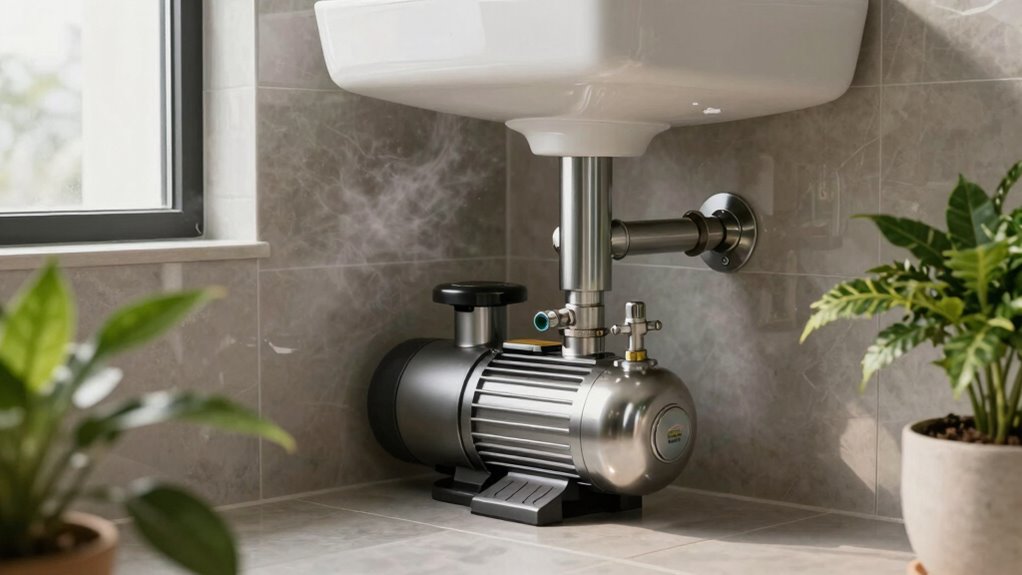
Hot water recirculation pumps offer a range of benefits that can transform your home experience. You’ll enjoy quicker access to hot water, making your daily routines smoother. Here are some key advantages:
Hot water recirculation pumps provide quick access to hot water, enhancing comfort and streamlining your daily routines.
- Energy Savings: Reduces water waste, saving you money on bills.
- Convenience Factors: Get hot water instantly without waiting.
- Increased Comfort: Enjoy a warm shower without the chill of cold water.
- Extended Appliance Life: Minimize wear and tear on your plumbing.
- Eco-Friendly: Decrease your environmental footprint by conserving water.
Investing in a hot water recirculation pump not only enhances your comfort but also promotes energy efficiency, making it a smart choice for any homeowner.
Different Types of Hot Water Recirculation Systems

When it comes to hot water recirculation systems, you’ve got several options to evaluate. Gravity-flow systems, timer-controlled pumps, and demand-controlled systems each offer unique benefits suited to different needs. Let’s explore how these systems work and which one might be right for you.
Gravity-Flow Recirculation Systems
While many homeowners seek efficient ways to deliver hot water, gravity-flow recirculation systems offer a reliable solution. These systems rely on gravity flow to keep water heated and ready for use, enhancing overall system efficiency. Here are some key benefits:
- Reduced Wait Time: You won’t have to wait long for hot water.
- Energy Savings: Less energy is wasted while waiting for the water to heat up.
- Simple Installation: Often easier to install than other systems.
- Low Maintenance: Generally requires less upkeep over time.
- Cost-Effective: Can save you money on water bills.
Timer-Controlled Pumps
If you’re looking for a way to optimize hot water delivery, timer-controlled pumps can be a game changer. These systems let you set specific timer settings, ensuring hot water’s ready when you need it. You can program the pump to run during peak usage times, reducing wait time and conserving energy.
Here’s a quick comparison of timer-controlled pumps:
| Feature | Description |
|---|---|
| Programmability | Set specific on/off times |
| Energy Efficiency | Reduces unnecessary operation |
| User-Friendly | Simple interface for settings |
| Cost-Effective | Lower energy bills over time |
| Pump Maintenance | Requires regular checks |
With proper pump maintenance, you can enjoy consistent hot water without wasting resources. It’s a smart investment for any home.
Demand-Controlled Systems
Demand-Controlled Systems (Different Types of Hot Water Recirculation Systems)
Demand-controlled systems offer an efficient way to secure hot water is available exactly when you need it, maximizing convenience and minimizing waste. These systems enhance demand efficiency through smart technology that responds to your usage patterns. Here are some key features of demand-controlled systems:
- Instant Hot Water: Delivers hot water as soon as you turn on the tap.
- Energy Savings: Reduces energy waste by operating only when necessary, similar to how grease detection helps identify inefficiencies in cleaning.
- User-Friendly: Often includes smartphone controls for easy management, making it easier to monitor energy consumption.
- Customizable Settings: Adjusts to your specific household needs and schedules.
- Improved System Design: Optimizes plumbing layout to guarantee rapid delivery, which can lead to significant energy efficiency in your home.
Additionally, these systems can help reduce energy waste by ensuring that hot water is only circulated when needed.
Choosing the Right Recirculation Pump
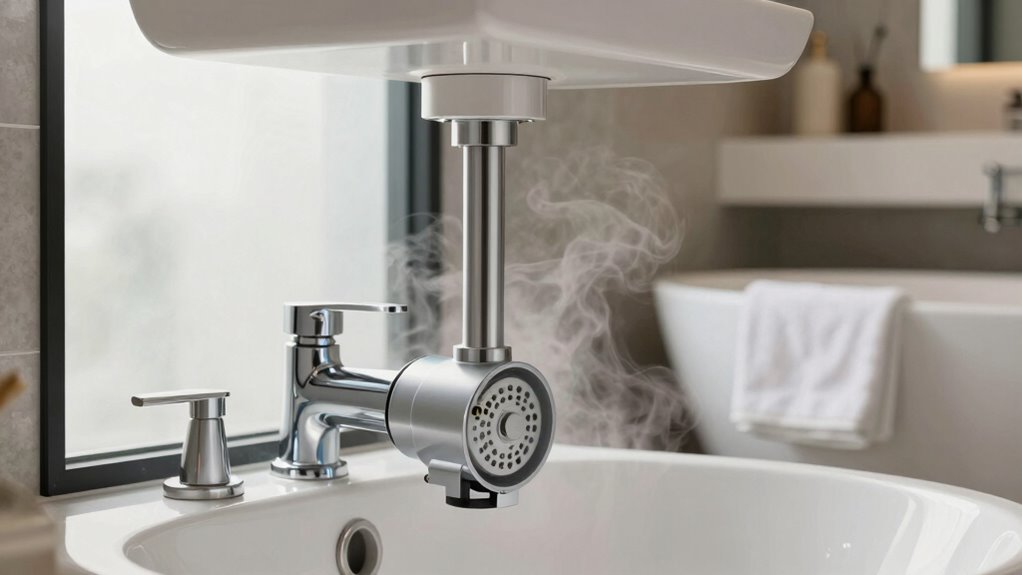
When you’re ready to enhance your home’s hot water efficiency, selecting the right recirculation pump is essential. First, consider the pump capacity; it should match your household’s hot water needs. If you have multiple bathrooms or appliances that require hot water simultaneously, opt for a pump with higher capacity. Next, check the installation requirements. Some pumps require specific plumbing configurations or electrical setups, so make sure your home can accommodate the chosen model. Additionally, think about the pump’s noise level and energy efficiency to minimize disruptions and costs. By carefully considering these factors, you’ll make a well-informed decision that optimizes your hot water delivery, saving you time and enhancing your comfort. Regular HEPA filter maintenance can also contribute to better overall home efficiency.
Installation Tips for Your Hot Water Recirculation Pump
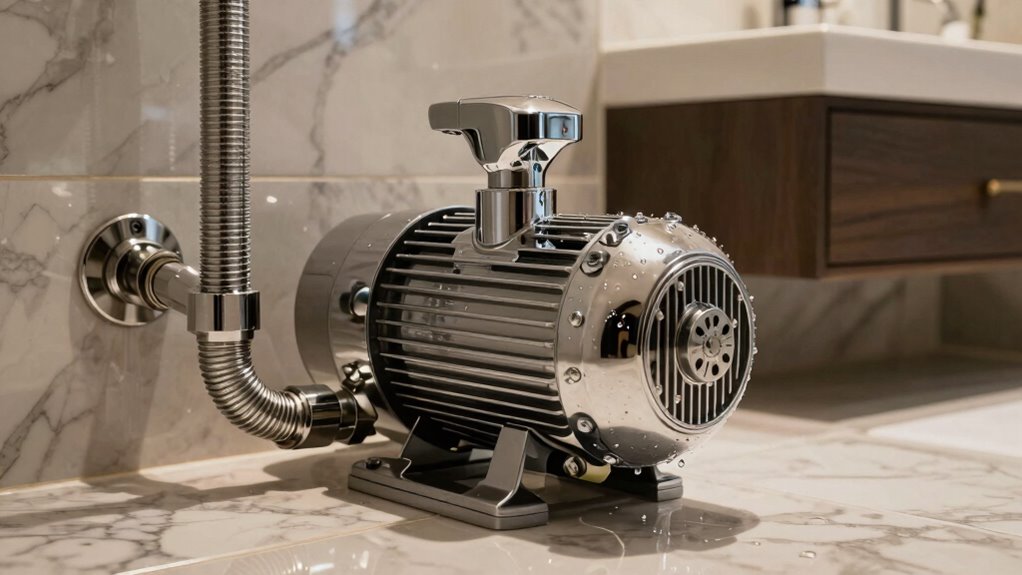
As you prepare to install your hot water recirculation pump, keeping a few key tips in mind can streamline the process. Begin by confirming you meet all installation requirements for your specific model. Here are some essential tips to take into account:
- Choose the right location: Position the pump close to your water heater for efficiency.
- Check for required plumbing modifications: You might need to adjust your current setup.
- Use proper tools: Have all necessary tools ready to avoid delays.
- Plan for pump maintenance: Schedule regular checks to confirm peak performance.
- Follow manufacturer instructions: Adhering to guidelines can prevent installation errors.
Troubleshooting Your Hot Water Recirculation Pump
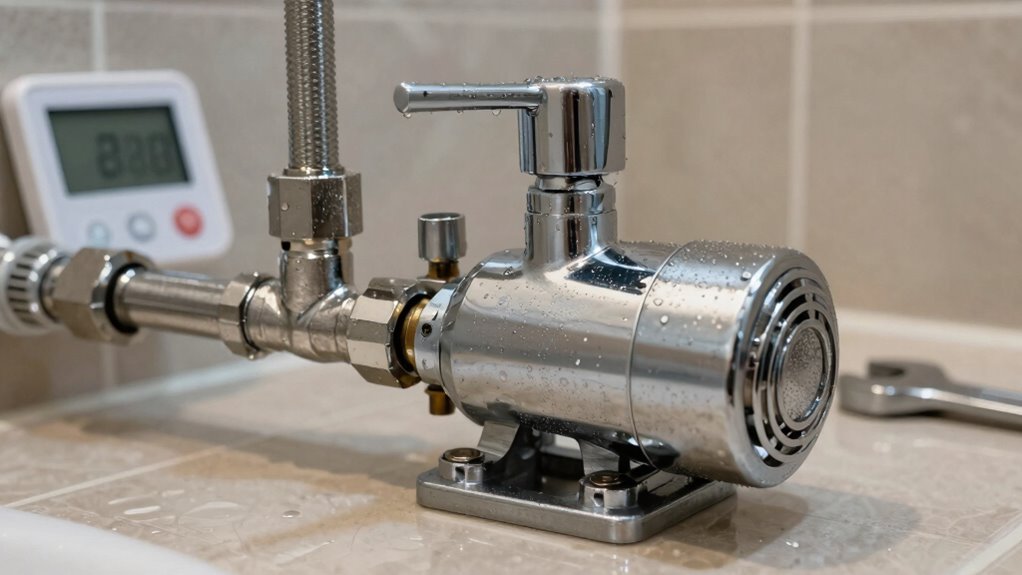
Troubleshooting your hot water recirculation pump can save you time and frustration, especially if you notice inconsistent water temperatures or reduced flow. Start by checking the power supply; verify the pump is plugged in and the circuit breaker is functioning. Next, inspect the pump for any visible leaks or strange noises, which might indicate wear or damage. Regular pump maintenance is essential, so clean the filters and check the valves to prevent blockages. If the pump still isn’t working, consult the user manual for specific troubleshooting tips or consider contacting a professional. Addressing these issues promptly can improve efficiency and extend the lifespan of your system. Don’t let a minor problem turn into a major inconvenience!
Frequently Asked Questions
Can I Install a Recirculation Pump Myself?
Yes, you can install a recirculation pump yourself if you’re handy with tools. Start by gathering installation tips online or from the manufacturer. Make certain you understand your plumbing layout and follow the instructions carefully. Consider cost considerations, like buying the right pump and any additional materials needed. Don’t forget to check local plumbing codes to confirm compliance. With patience and attention to detail, you’ll have hot water ready in no time!
How Much Energy Do Recirculation Pumps Consume?
Recirculation pumps typically consume around 100 to 200 watts per hour, depending on the model and usage. While the installation costs can be higher upfront, many find the energy efficiency worthwhile, as these pumps reduce water waste and can lower overall energy bills. To maximize savings, consider a timer or sensor for your pump, ensuring it only runs when you actually need hot water. This way, you’ll enjoy the benefits without excessive energy use.
Will a Recirculation Pump Affect Water Pressure?
A recirculation pump can affect water pressure, like a well-tuned engine running smoothly. When you install one, it optimizes the pressure balance throughout your plumbing system, often improving flow at faucets. You’ll enjoy quicker access to hot water, which is a key installation benefit. However, if not sized properly, it might create pressure drops. So, it’s essential to consult a professional for the best results tailored to your home.
Are Recirculation Pumps Noisy During Operation?
Recirculation pumps can produce noise levels that vary depending on the model and installation. If you hear a humming or clicking sound, it might indicate a need for pump maintenance. Regular checks can help minimize noise and guarantee efficient operation. If the noise bothers you, consider investing in a quieter model or adjusting the installation. Keeping your pump well-maintained can lead to a more peaceful environment while enjoying your hot water.
What Is the Lifespan of a Hot Water Recirculation Pump?
A hot water recirculation pump’s lifespan is like a well-tended garden—it thrives with proper care. Generally, you can expect it to last around 10 to 15 years. To guarantee longevity, focus on pump maintenance, checking for leaks and keeping connections tight. When you’re installing, follow best practices to avoid future issues. Remember, a little attention now can save you from unexpected headaches later on, so keep that pump happy!
Conclusion
Imagine turning on the faucet and waiting for what feels like an eternity for hot water, like waiting for a pot to boil that never seems to bubble. With a hot water recirculation pump, you can say goodbye to those frustrating moments. Not only does it save you time, but it also conserves water and energy. By investing in one, you’re not just upgrading your plumbing; you’re turning your bathroom into a sanctuary of comfort and convenience.
Halloween Picks
halloween
As an affiliate, we earn on qualifying purchases.