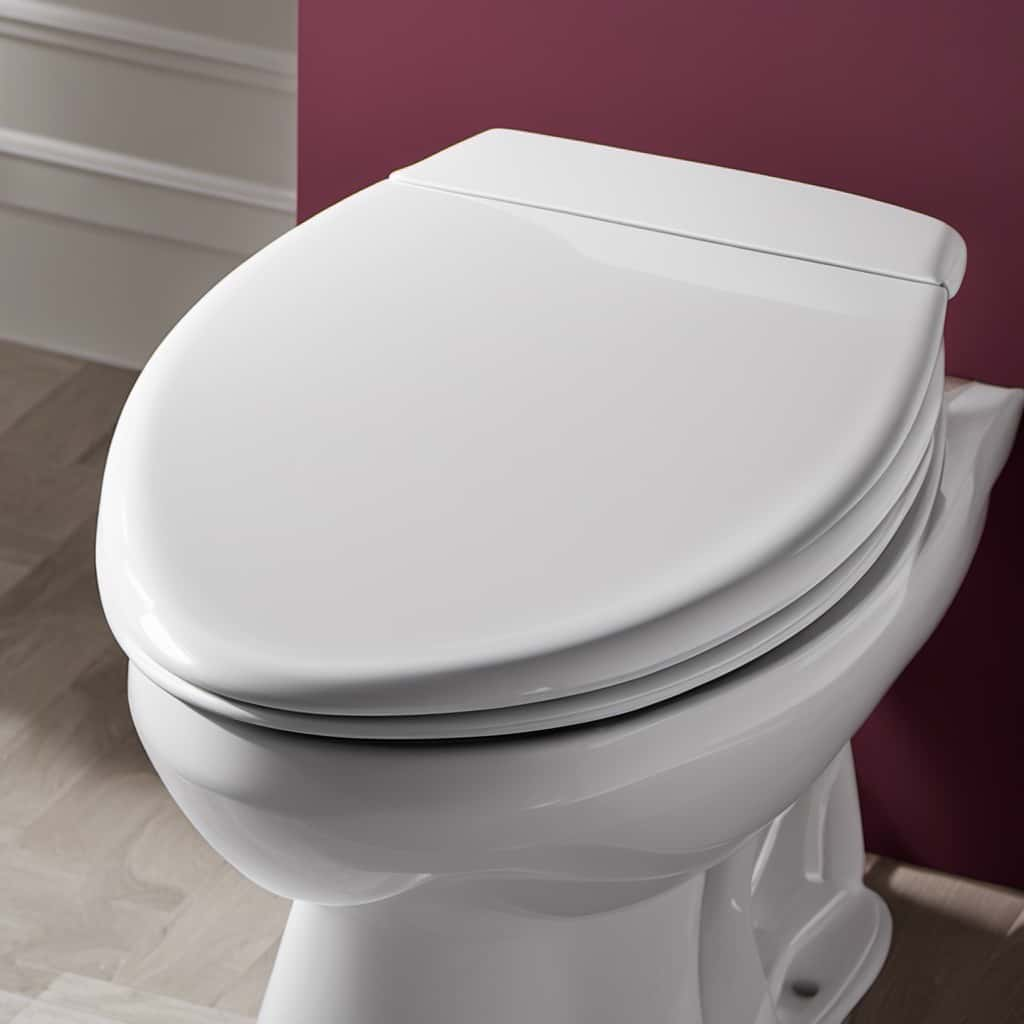
Everyone enjoys the handiness of using wipes, but have you ever pondered whether it’s okay to dispose of them in the toilet? In this article, we’re going to delve into the environmental implications and the potential harm to plumbing systems resulting from flushing wipes down the toilet.

Get home appliances delivered free — and shop member deals
- Fast, free delivery on millions of items
- Access to Prime Big Deal Days deals on October 6–7
- Prime Video, Amazon Music and more included
We’ll also discuss alternatives to flushing and proper disposal methods. Join us as we dive into the world of wipe disposal, providing you with the knowledge you need to make an informed choice.
Let’s protect our planet and our plumbing together.
Key Takeaways
- Flushing wipes can lead to costly plumbing repairs and damage to wastewater treatment facilities.
- Non-biodegradable wipes do not break down like toilet paper and can cause blockages in pipes and sewer systems.
- Using biodegradable wipes designed for water and sewage systems or opting for proper waste disposal methods can help prevent clogs and reduce environmental impact.
- Composting biodegradable wipes in a controlled environment or using professional waste disposal services for non-flushable items are alternative options to flushing wipes.
As an affiliate, we earn on qualifying purchases.
Environmental Impact
To assess the environmental impact of flushing wipes down the toilet, we must consider the potential consequences they may have on our sewage systems and waterways.
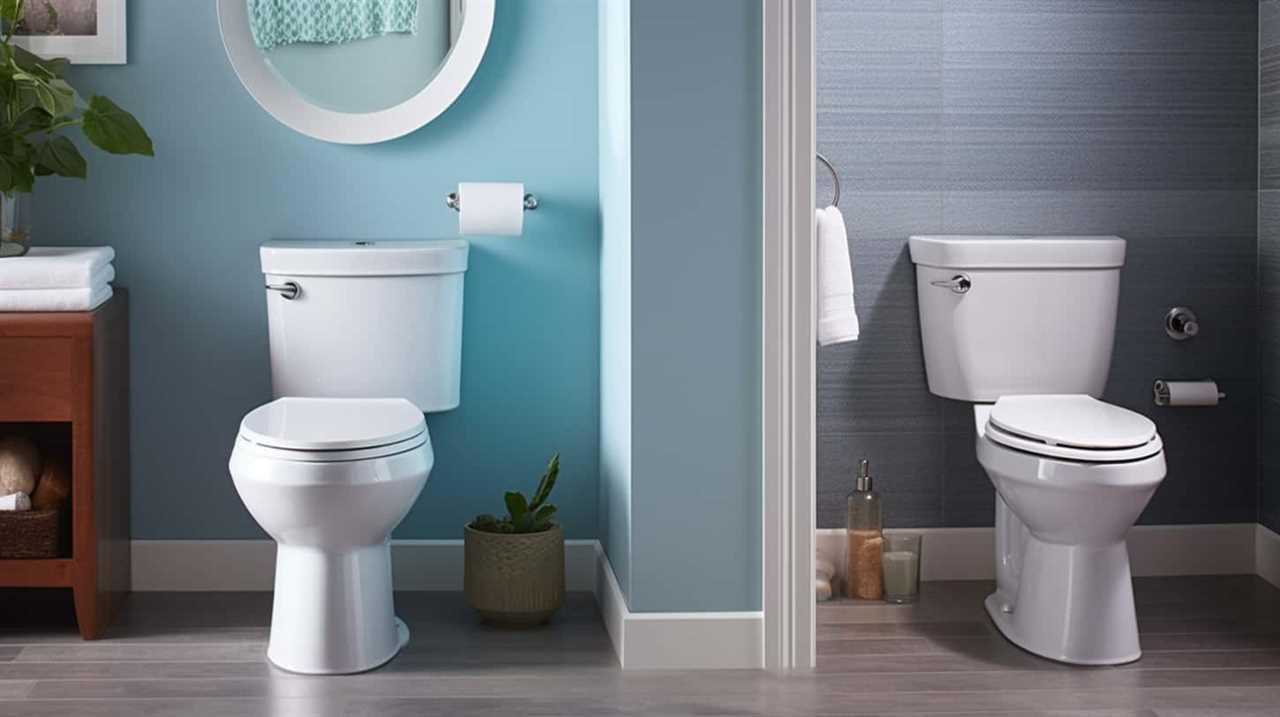
Biodegradability concerns arise when it comes to wipes, as they’re often made from materials that don’t break down easily in water. These non-biodegradable wipes can clog pipes and cause blockages in sewage systems, leading to costly repairs and potential pollution of our waterways.
Public awareness campaigns have been launched to educate people about the proper disposal of wipes, encouraging them to throw them in the trash instead of flushing them.
It’s crucial for individuals to understand the importance of disposing of wipes responsibly to mitigate the negative environmental impact they can have on our sewage systems and waterways.
Plumbing Issues
Flushing wipes down the toilet can lead to significant plumbing issues, such as clogs and blockages in our sewage systems. When wipes are flushed, they don’t break down like toilet paper does. Instead, they can accumulate in the pipes, causing them to become clogged. Over time, these clogs can lead to blockages, which can result in sewage backups and costly repairs.
Additionally, wipes can also cause problems for septic tanks. The fibers in the wipes can get tangled in the septic tank’s components, hindering their proper functioning. This can lead to backups, foul odors, and potential damage to the septic system.
It’s important to remember that only toilet paper should be flushed down the toilet to avoid these clogged pipe and septic tank issues.
Municipal Sewage Systems
Continuing from the previous subtopic, we can further explore the impact of flushing wipes down the toilet on municipal sewage systems. Sewage treatment and wastewater management are crucial for maintaining public health and environmental sustainability. Here are three key points to consider:
- Clogging: Flushing wipes can cause blockages in the sewage system, leading to backups and overflows. This can result in costly repairs and potential health hazards.
- Treatment challenges: Wipes don’t break down easily like toilet paper, posing challenges for sewage treatment plants. They can clog equipment, reducing the efficiency of the treatment process.
- Environmental impact: When wipes reach water bodies after bypassing the treatment process, they can harm aquatic ecosystems. The accumulation of non-biodegradable wipes may also contribute to plastic pollution.
To ensure proper sewage treatment and wastewater management, it’s essential to educate the public about the importance of disposing of wipes in the appropriate waste bin, rather than flushing them down the toilet.

Alternatives to Flushing
As for disposing of wipes, we can explore alternative methods that are more suitable for maintaining sewage systems. Instead of flushing wipes down the toilet, there are several options available that are both environmentally friendly and effective. One option is to use biodegradable wipes that are specifically designed to break down in water and sewage systems. These wipes are made from materials that can easily decompose, reducing the risk of clogging pipes or causing damage to the sewage infrastructure. Another alternative is DIY composting, where wipes can be composted along with other organic waste in a controlled environment. This allows the wipes to break down naturally and contribute to the creation of nutrient-rich soil. By considering these alternatives, we can ensure the longevity and efficiency of our sewage systems while also being mindful of the environment.
| Alternative Methods | ||
|---|---|---|
| Biodegradable Options | DIY Composting | Professional Waste Disposal |
| Choose wipes that are specifically designed to break down in water and sewage systems. | Compost wipes along with other organic waste in a controlled environment. | Dispose of wipes through professional waste disposal services that can handle non-flushable items. |
Proper Disposal Methods
To properly dispose of wipes, we should consider alternative methods that are safer for our sewage systems. Flushing wipes down the toilet can lead to clogs and expensive plumbing repairs. Here are some proper disposal methods to consider:
- Throw them in the trash: The most straightforward method is to simply throw used wipes in the trash. This helps prevent clogs in our sewage systems and reduces the risk of damage to wastewater treatment facilities.
- Look for biodegradable options: When purchasing wipes, opt for biodegradable ones. These wipes are designed to break down more easily, reducing their impact on the environment.
- Consider composting: If you use biodegradable wipes, you may also consider composting them. Composting not only reduces landfill impact but also provides a natural way to return nutrients to the soil.
Frequently Asked Questions
Are All Wipes Labeled as "Flushable" Actually Safe to Flush Down the Toilet?
All wipes labeled as ‘flushable’ are not actually safe to flush down the toilet. This can have a significant environmental impact. Proper disposal methods for non-flushable wipes include throwing them in the trash.
Can Flushing Wipes Down the Toilet Lead to Clogged Pipes in My Home?
Flushing flushable wipes can lead to clogged pipes in our homes. This can cause costly plumbing repairs and inconvenience. Additionally, these wipes can also impact wastewater treatment plants, contributing to clogs and damaging equipment.

How Do Wipes Affect Septic Systems Compared to Municipal Sewage Systems?
When comparing septic systems and sewage treatment plants for waste disposal, it is important to consider the impact of wipes on the environment and water quality. Wipes can cause clogs and damage to both systems, leading to costly repairs and potential pollution.
What Are Some Eco-Friendly Alternatives to Flushing Wipes Down the Toilet?
Eco-friendly alternatives to flushing wipes down the toilet include using biodegradable wipes or opting for reusable cloth wipes. It’s important to consider the environmental impact of disposable wipes and choose more sustainable options.
What Are the Potential Health Risks Associated With Improper Disposal of Wipes?
Improper disposal of wipes can lead to potential long term health effects and have a significant environmental impact. It is crucial to understand the risks associated with flushing wipes down the toilet to protect our health and the environment.
Conclusion
In conclusion, flushing wipes down the toilet can have detrimental effects on both the environment and plumbing systems. It’s like throwing a wrench into the delicate machinery of our sewage systems, causing blockages and costly repairs.

Instead, it’s recommended to dispose of wipes in the trash or use biodegradable alternatives.
Let’s be mindful of our actions and protect our planet by making responsible choices.
Halloween Picks
halloween
As an affiliate, we earn on qualifying purchases.