TL;DR
A smart toilet seat adds electronic features such as warm-water washing or a heated seat to an existing toilet, usually without replacing the bowl. Before buying, measure your toilet, check for a suitable electrical outlet and water connection, and compare heater type, controls, cleaning needs, and running costs. These seats can make personal washing easier, but they still need routine care and do not guarantee health benefits or eliminate toilet paper.
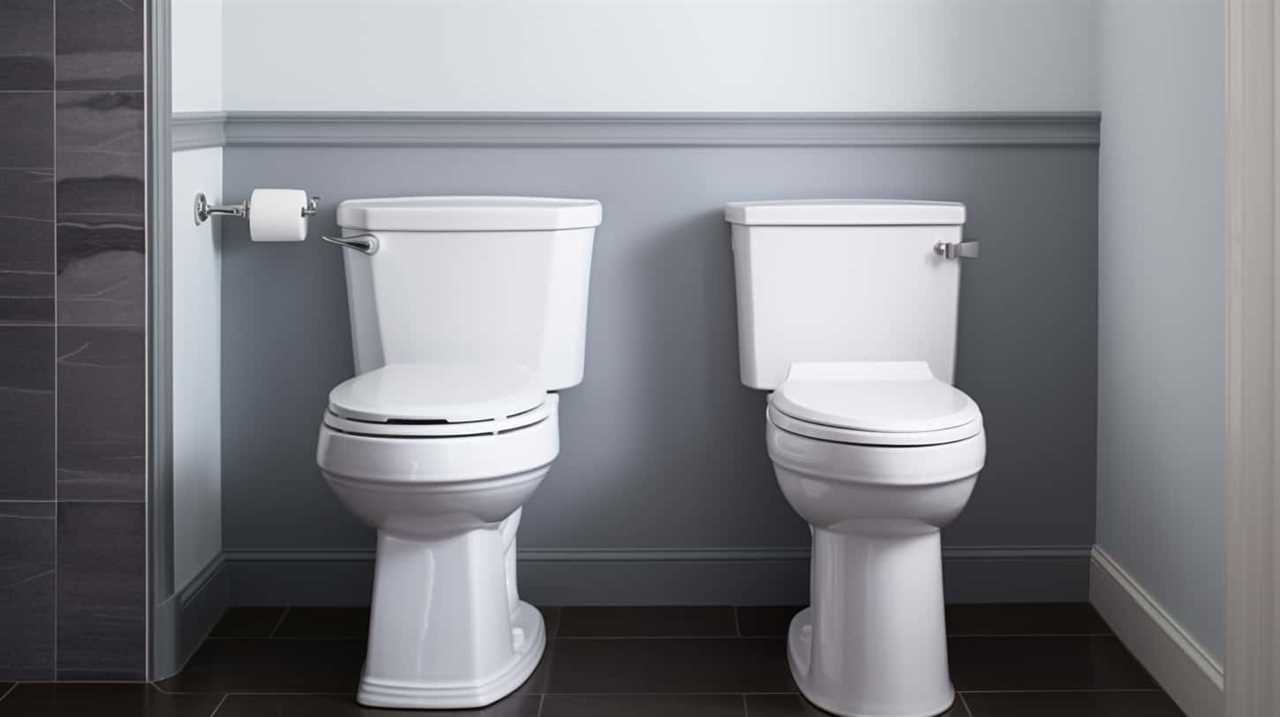
The first surprise with a smart toilet seat is how ordinary the toilet can look: lift the lid, and the familiar bowl is still there. The change happens at the seat, where a quiet control panel can bring warm water, a heated surface, and a soft night light into your daily routine.

Get home appliances delivered free with Prime
- Fast, free delivery on millions of items
- Prime Video, Amazon Music and more included
- Member-only deals all year
A smart toilet seat adds electronic functions to a standard toilet, usually without replacing the toilet itself. That makes it a different choice from a fully integrated smart toilet, where the bowl and electronics come as one unit. People also use “washlet” as a general name for an electronic bidet seat, though Washlet is also a brand name.
This guide walks you through the features that matter, what to check before you buy, and how to think about cleaning, installation, and everyday costs. If you are comparing smart toilet seats for a small bathroom or helping an older relative wash more comfortably, a few practical checks can save you from buying a seat that does not fit or cannot be safely powered.
Measure your bowl and check mounting clearance before choosing a seat; round and elongated models are not interchangeable.
Confirm both water access and an appropriately protected electrical outlet before ordering an electronic seat.
Compare tank and on-demand water heaters if a continuous warm-water supply matters to your routine.
Treat dryers, deodorizing fans, presets, and app controls as optional extras; choose based on who will use them.
Follow the product’s cleaning instructions: self-cleaning nozzles do not remove the need for routine seat and control cleaning.
What a Smart Toilet Seat Adds to Your Existing Toilet
A smart toilet seat adds powered comfort and washing features to a compatible toilet bowl while keeping the existing bowl in place. Many models offer a warm-water bidet spray, adjustable seat heat, and a control panel or remote. Your existing toilet still determines the bowl shape and much of the installation fit.
Think of the seat like replacing the control panel on an old radio: the main object stays, but you get more ways to use it. A basic model may focus on rear washing, while a premium model may add front washing, warm-air drying, a deodorizing fan, a night light, or automatic functions. “Smart” does not always mean internet-connected. Often, it just means the seat uses electronics to control its features.
For example, a renter or homeowner with a standard elongated toilet might add a wash-and-heat seat instead of changing the whole fixture. By contrast, a fully integrated smart toilet combines the bowl, seat, and electronics in one product and may add automatic flushing or a powered lid. That can create a cleaner visual profile, but it generally involves a larger purchase and a more involved replacement if a component fails.
Common features include personal washing, temperature controls, and a heated seat, but models vary. Treat the feature list as a menu, then ask which items would improve your actual routine. If all you want is warm water, paying extra for an app or automatic lid may not add much value.
Products Worth Considering

Sonos Play Portable Wi-Fi and Bluetooth Speaker, Black

Dyson V8 Cordless Vacuum

Dyson Airstrait Wet-to-Dry Hair Straightener
As an affiliate, we earn on qualifying purchases.
Compare the Features You Will Notice Every Day
Smart toilet seats differ most in how they heat water, direct the wash, manage controls, and handle drying. Comparing these details tells you more about everyday comfort than a long list of premium extras. A seat that fits your bathroom and feels simple to operate can serve you better than one with functions you rarely use.
Start with the wash itself: check whether the seat offers front and rear wash modes, adjustable pressure and temperature, and nozzle positioning. These settings matter because comfort is personal: a spray that feels too strong or is difficult to position can make a headline feature less useful. Some nozzles clean themselves before or after use; that helps with routine upkeep but does not remove the need to clean the seat and nozzle area. A side panel keeps controls attached to the unit, while a wireless remote can be easier to reach from a seated position. In a shared bathroom, a remote may also make adjustments easier without leaning toward the seat, though it can be misplaced or require batteries.
| Feature | What to compare | Everyday tradeoff |
|---|---|---|
| Water heating | Tank or on-demand heater | A tank stores warm water, so it can run out during a longer wash or before the next user. An on-demand heater warms water as it flows and often costs more; whether that premium is worthwhile depends on how long and how often your household washes. |
| Drying | Warm-air dryer and settings | It may reduce wiping, but air drying can take longer than using toilet paper. If you are usually in a hurry, the dryer may see little use despite its added cost. |
| Controls | Side panel or remote | A remote can be easier to reach and may offer more settings; a side panel stays attached and cannot be lost, but its position may be awkward for some users or installations. |
| Energy features | Occupancy sensor and savings mode | Lower standby heating may reduce energy use, though comfort and usage patterns affect the result. A seat that cools between uses may save energy but feel less comfortable when the bathroom is used only occasionally. |
Imagine two people using the same bathroom: one takes a quick wash and wants a warm seat in winter; the other prefers a longer wash and values a steady supply of warm water. Heater type matters more to the second person. The comparison also has a household implication: an undersized tank may be fine for one user but frustrating when several people use the seat in sequence. Match the specs to your routine and the number of users before paying for extras.
Check Fit, Power, and Water Before You Order
Fit, electricity, and water access all affect whether a smart toilet seat will work in your bathroom. Many electronic seats connect to a water supply and plug into a nearby grounded outlet, but manufacturers use different dimensions, mounting arrangements, and electrical requirements. A toilet can look standard and still fail a model’s fit check. These checks are connected: a seat that fits the bowl may still be impractical if the outlet, shutoff valve, or clearance prevents the supplied parts from reaching safely.
Measure whether your bowl is round or elongated, then compare its dimensions and mounting points with the manufacturer’s guide. Also check the clearance behind the seat, the position of the water connection, and the location of the outlet. For example, a narrow bathroom might have an outlet across the room rather than beside the toilet; that can change which installation options are practical. Checking these details before ordering helps avoid returns and reveals when the cost of installation may outweigh the seat’s advertised price.
- Identify the bowl shape. Check your toilet model or compare the bowl measurements with the seat’s fit guide. A shape mismatch can leave the seat overhanging or poorly aligned, even if the mounting bolts seem to fit.
- Check clearance and mounting. Look for space around the hinges, tank, and wall so the seat can sit and open as designed. Restricted space can interfere with a lid, control panel, or remote holder.
- Confirm water access. Compare the seat’s connection requirements with the shutoff valve and supply line. A valve that is inaccessible or positioned differently may require a plumbing adjustment.
- Confirm electrical requirements. Check the specified outlet and protection requirements before purchase; do not assume an extension cord is suitable. The manual and local code determine what is appropriate for a bathroom installation.
- Read the installation instructions. Contact a qualified professional if the job calls for plumbing or electrical changes you are not equipped to make. That can add to the total cost, but it avoids improvised connections around water and power.
Many seats are designed for basic DIY installation, but bathroom electricity deserves care. Follow the manufacturer’s instructions and local electrical codes, and use an appropriately protected outlet. If you need new wiring or a change to the water supply, hire a licensed professional; do not improvise around water, power, or permit requirements. The practical decision is not just whether the seat can be mounted, but whether the complete setup can be installed safely and maintained accessibly.
Choose Settings That Suit Your Household and Budget
The best smart toilet seat for you is the one whose settings and controls match your household’s routine. A heated seat and warm-water wash may be the main appeal; drying, deodorizing, presets, and automated functions add convenience but can also raise the purchase price. Prices range from wash-focused units to premium models with more comfort and automation features. A useful way to compare them is to separate features you expect to use most days from occasional conveniences: the former justify more of the price, while the latter are easier to skip if they add complexity.
Recent models increasingly offer on-demand water heating, user presets, remote controls, occupancy sensing, and energy-saving modes. Some high-end seats add an automatic lid or app-connected controls. These features differ by model, and a product described as “smart” may not connect to the internet at all. Check the control method and settings rather than relying on the label. Presets can help several household members return to comfortable settings quickly, but only if the controls make it clear which user or setting is active.
Running costs also depend on the model and how you use it. Seat temperature and standby operation affect electricity use; washing uses water, with amounts depending on the product and cycle. A seat with an energy-saving mode may suit a household that leaves the bathroom unused for long stretches. If several people use the toilet throughout the day, personalized presets may make shared use easier. The tradeoff is that lowering heat between uses can mean waiting for the seat to warm again; consider how often comfort or quick access matters before treating an energy mode as an automatic saving.
Consider an older adult who has difficulty reaching or managing toilet paper. Adjustable controls and warm-water washing may make personal hygiene easier, but a small remote with confusing buttons may create a new hurdle. Before buying, ask who will use each feature and whether they can reach and understand its controls. If possible, look at the actual control layout and check the seat height and approach space, since comfort depends on the whole toilet setup as well as the wash function. For medical concerns, a bidet seat is not a substitute for advice from a healthcare professional.
Keep the Seat Clean and Treat Hygiene Claims Carefully
A smart toilet seat still needs routine cleaning, even when it has a self-cleaning nozzle or antimicrobial materials. Those features can support upkeep, but they do not clean every surface or replace the product’s maintenance instructions. The seat, controls, nozzle area, and any filters need the care the manufacturer specifies. This distinction matters because a feature that rinses one part of the nozzle does not necessarily clean the area around it, and residue can still build up on surfaces people touch.
For example, if a busy family uses one seat, a quick wipe of the seat and controls with a cleaner approved by the manufacturer can be part of the regular bathroom routine. Harsh or unsuitable products may damage surfaces, so check the instructions before reaching for a strong disinfectant. If your model has a removable nozzle, filter, or other replaceable part, follow its schedule rather than waiting for performance to drop. Regular care also helps you notice a clogged nozzle or worn part before it affects the wash.
It helps to separate personal washing from broader claims about health, hygiene, or savings. A bidet wash may make cleaning easier for some users, and it can reduce toilet-paper use, but it does not necessarily eliminate paper. Results depend on the seat, wash settings, and how you use it. Manufacturers’ product claims do not turn the seat into a medical device; a comfort feature should not be treated as a proven treatment or as a substitute for personalized clinical advice.
Self-cleaning features can help with maintenance, but routine cleaning remains your responsibility. Check the manual for approved cleaners and nozzle or filter care.
If you are choosing a seat for a child or an older adult, review spray strength, seat temperature, and automatic functions together. One person may welcome warm water, while another may need simpler buttons or gentler settings. A brief hands-on look at the controls can reveal more than a polished product photo. It can also show whether the intended user can adjust the spray and stop it comfortably without help.
Know When an Attachment or Integrated Toilet Makes More Sense
A smart seat sits between a basic bidet attachment and a fully integrated smart toilet in features and scope. A non-electric attachment can add washing at a lower cost but usually lacks powered comforts such as seat heating or warm-air drying. An integrated toilet combines more functions in one fixture, but it can cost more and may be more involved to replace or repair. The differences affect more than the purchase price: they determine whether you need an outlet, how much of the existing toilet remains usable, and what gets replaced if a part fails.
Picture a homeowner updating a guest bathroom on a tight budget. A simple attachment may deliver the washing function they want without adding a powered seat or changing the toilet. Someone else might use the bathroom daily in a cold climate and value a heated seat, adjustable wash, and remote control; an electronic seat could fit that routine better without replacing the whole fixture. The extra cost makes more sense in the second case because the household expects to use those comforts often.
At the other end, a homeowner renovating a bathroom from the floor up may prefer an integrated toilet with a coordinated design and automatic features. That choice can make sense when the wider project already includes a new fixture and the budget covers it. Still, more integrated electronics can mean a different repair or replacement path than a separate seat. If a seat component fails, the bowl may remain in service; with an integrated model, the repair may involve the whole fixture or specialized parts, depending on the design.
Before deciding, compare the total setup: product cost, fit, power access, plumbing needs, maintenance, and the features you will use. Include any outlet or plumbing work in the budget, since a low product price can be misleading if installation is complex. A familiar toilet with a well-matched seat may be the straightforward upgrade; a basic attachment may suit a guest room; a full smart toilet may make sense during a larger renovation. The right answer depends on your bathroom, expected use, and how you want to handle future repairs.
Frequently Asked Questions
Will a smart toilet seat fit my toilet?
It depends on your bowl shape, dimensions, mounting points, and clearance. Check whether the toilet is round or elongated, then compare its measurements with the manufacturer’s fit guide.
Do I need an electrical outlet near the toilet?
Most electronic seats need electricity as well as a water connection. Some non-electric bidet attachments provide washing without powered features; follow local electrical codes and the product instructions when choosing an outlet.
Can I install a smart toilet seat myself?
Many seats are designed for basic installation, but your model and bathroom setup determine what the job involves. If you need plumbing or electrical changes, use a qualified professional and follow local code and permit requirements.
Are smart toilet seats hygienic?
A seat can make personal washing easier, and some models clean their nozzles automatically. You still need to clean the seat and controls and maintain nozzles or filters as the manufacturer directs.
Do smart toilet seats use a lot of electricity or water?
Use varies by model and settings. Seat heating and standby operation affect electricity use, while water use depends on the wash cycle and product; energy-saving settings may suit some households.
Will the warm-water supply last for a long wash?
That depends on the heater. A tank-style system stores warm water and may run out during longer use, while an on-demand heater heats water as it flows and generally provides a continuous supply.
Can a bidet seat help someone with limited mobility?
Adjustable washing and controls may make personal hygiene easier for some people, but the benefit depends on the user and the model. Check whether the controls are reachable and simple to operate, and ask a healthcare professional about medical concerns.
Does a warm-air dryer mean I can stop using toilet paper?
Not necessarily. Drying can take longer than wiping, and how much paper you still use depends on the model and your preference. A bidet seat may reduce paper use, but it does not guarantee that you will stop using it.
Conclusion
Before you buy, measure the toilet, confirm water and power access, and choose features around your real routine. A smart seat can make washing and warmth easier without replacing your existing toilet, but the best model is one that fits cleanly, feels simple to use, and suits the people in your home.
Think of it as a small upgrade with a daily footprint: a warm seat on a winter morning, a button you can reach, and a bathroom setup that works as it should.