
TL;DR

Get home appliances delivered free with Prime
- Fast, free delivery on millions of items
- Prime Video, Amazon Music and more included
- Member-only deals all year
Smart toilet seats are electronic upgrades that attach to existing toilets, offering features like water cleansing, heated seats, and automatic controls. They reduce toilet paper use and support independence for many users. Choosing the right model depends on fit, control ease, and support for repairs.
Always measure your toilet’s shape and mounting hole spacing before buying.
Prioritize features like adjustable pressure, temperature, and easy cleaning surfaces.
Professional installation may be necessary if electrical or plumbing upgrades are needed.
Choose a model with strong safety certifications and a reliable warranty.
Regular maintenance, including filter and descaling, keeps your smart seat hygienic and functioning smoothly.
What Exactly Is a Smart Toilet Seat and Why Should You Care?
A smart toilet seat is an electronic upgrade that replaces your existing toilet lid, adding features like warm water cleansing, heated seating, and automatic controls. These seats connect to your household water and power, delivering a spa-like experience every time you sit down.
Think of it as your bathroom’s personal assistant—adjusting water pressure, temperature, and even drying you off with warm air. They support better hygiene and comfort, especially for those with mobility challenges or sensitive skin. And with features like night-lights and remote controls, they turn your bathroom into a modern sanctuary.
For example, a user with arthritis appreciates how they no longer need to reach for toilet paper after washing. Instead, they press a button and enjoy a gentle, warm spray that leaves them feeling fresh and cared for.
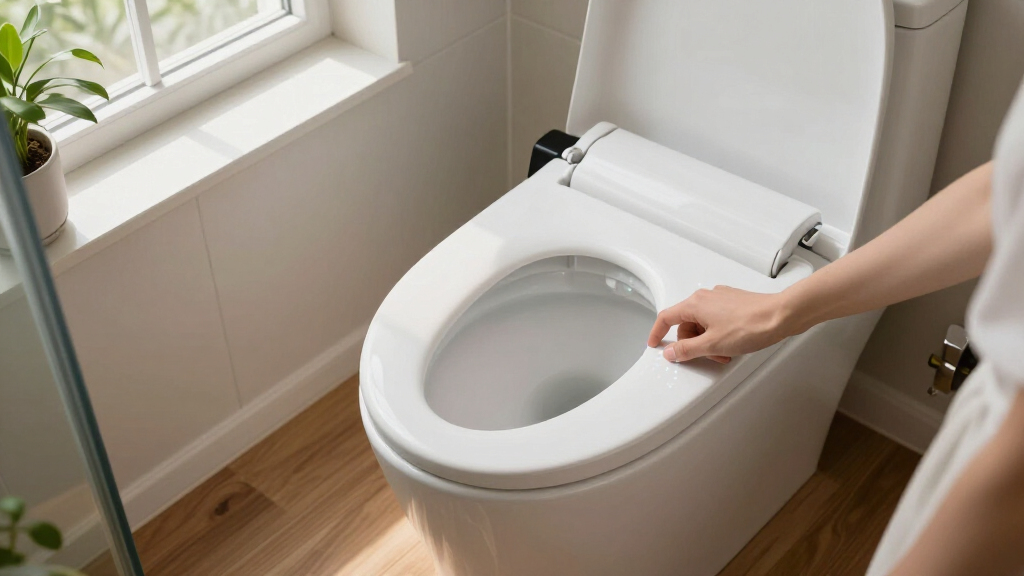
smart toilet seat with heated seat and bidet
As an affiliate, we earn on qualifying purchases.
As an affiliate, we earn on qualifying purchases.
How Do Smart Toilet Seats Make Your Bathroom Feel Like a Spa?
Smart seats pack in features that turn a mundane bathroom visit into a spa-like experience. Adjustable water spray, heated seats, and warm-air dryers create a cozy, refreshing routine every time.
Imagine sitting down on a seat that warms instantly, with a gentle spray that adapts to your preferences. The water pressure can be dialed from a soft mist to a powerful rinse. As you finish, a quiet dryer kicks in, leaving you completely dry without the need for toilet paper.
For instance, in a busy household, family members can set personalized profiles—one prefers a strong pressure, another a gentle mist. It’s about making hygiene effortless, personalized, and comfortable.
Smart Seat vs. Full Smart Toilet: Which One Fits Your Home Best?
| Feature | Smart Seat | Integrated Smart Toilet |
|---|---|---|
| Design | Fits onto existing toilet | All-in-one bowl and electronics |
| Cost | Typically $300–$800 | $1,500–$5,000+ |
| Ease of installation | Relatively simple, DIY possible | More complex, professional needed |
| Features | Heated seat, bidet, dryer | Includes automatic flushing, bowl cleaning |
| Maintenance & repairs | Less costly, easier to replace parts | More involved, higher repair costs |
Choosing between them depends on your budget, bathroom space, and how much automation you want. A smart seat is a quick upgrade, while a full smart toilet offers a seamless, high-tech look and more features.
What Do You Need to Know Before Installing a Smart Seat?
Most smart seats need a few essentials—an electrical outlet, cold-water supply, and enough space around your toilet. They usually connect via a T-valve to your existing water line and plug into a nearby grounded outlet.
For example, if your bathroom has a single outlet behind the toilet, you’re set. But in older homes with no dedicated outlet, an electrician might need to install one. Water pressure should be adequate, usually between 20–80 psi, to ensure a proper rinse.
Size matters too. Measure your toilet’s bowl shape, mounting hole distance, and space around the tank. Many seats are adjustable, but some unusual or modern toilet designs need special adapters or won’t fit at all.
Understanding these requirements is crucial because improper installation can lead to leaks, electrical hazards, or poor functionality. Investing time in accurate measurement and planning ensures your smart seat operates safely and effectively, avoiding costly mistakes or dissatisfaction.
How To Pick the Perfect Smart Toilet Seat for Your Bathroom
- Measure your toilet’s shape (round or elongated) and size.
- Check the mounting hole distance and available space.
- Ensure there’s a grounded electrical outlet nearby.
- Decide which features matter most—heated seat, water temperature, dryer, or remote control.
- Look for models with good reviews, reliable warranties, and easy-to-find parts.
- Confirm compatibility with your water pressure and plumbing setup.
- Think about user accessibility—controls should be simple and reachable.
- Set a budget, then compare features within that range.
- Read safety certifications and privacy policies for connected models.
Choosing the right seat involves balancing your specific needs with practical considerations. For instance, selecting a model with adjustable features ensures comfort across different users, while verifying compatibility prevents future installation headaches. Budgeting wisely and reading reviews help avoid low-quality products that may break or lack support, saving you money and frustration in the long run. Considering these factors thoroughly means you’ll select a smart seat that not only fits your bathroom but also enhances your hygiene routine reliably over time.
Are Smart Seats Safe, Sanitary, and Environmentally Friendly?
Absolutely, when properly installed and maintained. Most models feature retractable nozzles that stay clean when not in use, plus self-cleaning nozzles with antimicrobial coatings. Regular cleaning and filter replacements keep everything hygienic.
For instance, some seats incorporate UV sterilization or electrolyzed-water rinsing, which actively reduce bacteria and viruses, enhancing overall sanitation. These features are especially important for households with immunocompromised members or shared bathrooms. Moreover, by reducing toilet paper use—up to 75% according to industry reports—they significantly lessen deforestation and lower water consumption associated with paper production. This eco-friendly aspect is crucial as consumers become more environmentally conscious, aligning hygiene with sustainability.
Safety-wise, ensure the seat is certified for bathroom use, grounded properly, and that electrical components are protected from moisture. Regularly inspect and clean the device, following manufacturer instructions to prevent mold, bacteria buildup, or electrical issues. Proper maintenance not only extends the lifespan of your smart seat but also ensures it remains a safe and hygienic addition to your home.
What’s New? The Latest Trends in Smart Toilet Tech
The smart toilet scene is rapidly evolving. Recent trends include slimmer, more discreet designs that blend into your bathroom decor, and smarter sensors that automatically open lids and activate cleaning functions. Some models now support multiple user profiles, saving preferred pressure, temperature, and spray positions.
For example, new models feature occupancy sensors that turn on only when you sit, saving energy and reducing unnecessary operation. Others include voice control—just say, ‘Flush’ or ‘Adjust water’—making the experience more accessible, especially for users with mobility challenges. Premium units are even integrating health-monitoring sensors that analyze urine or stool for early health alerts, opening new possibilities for preventive healthcare. These innovations are not just about convenience—they’re transforming the very idea of bathroom hygiene, making it smarter, safer, and more personalized.
Market research indicates a significant rise in adoption outside traditional markets, especially in North America and Europe, driven by increasing awareness of health, hygiene, and environmental impact. As technology advances, these smart features become more affordable and user-friendly, broadening accessibility and raising the standard of bathroom hygiene worldwide.
Is Your Privacy Safe When Using a Smart Toilet?
Many smart seats include Wi-Fi connectivity and app features that can collect usage data, which may include personal habits or health information. While this data can enhance your user experience through customized settings, it also raises privacy considerations. The importance lies in understanding what data is collected, how it’s stored, and who has access to it. A breach could expose sensitive information or lead to unauthorized sharing, which might compromise your privacy or security.
Manufacturers that prioritize security implement encryption protocols, support secure login features, and provide options to delete or control your data. Reading privacy policies helps you understand their data handling practices. For users concerned about privacy, selecting models with minimal connectivity or offline operation can reduce exposure risks. Also, regularly updating firmware and using strong, unique passwords are simple but effective steps to safeguard your personal information.
Ultimately, informed choices—favoring reputable brands with transparent privacy policies—are essential to ensuring your smart toilet enhances your hygiene without compromising your privacy. Being aware of the data collection practices and actively managing your device’s settings empowers you to enjoy the benefits of smart technology safely.
Common Problems & How to Fix or Avoid Them
Many issues boil down to simple maintenance or installation mistakes. Common problems include weak water pressure, no power, or confusing controls. For example, hard water can cause mineral buildup in nozzles, reducing spray quality.
To avoid trouble, regularly clean filters, descale if needed, and inspect hoses for leaks. If the seat won’t turn on, check the outlet and circuit breaker. Slow drying might mean the dryer filter needs cleaning or replacing.
Understanding these common problems and their solutions can save you time and money, preventing frequent calls to repair services. Regular maintenance, such as descaling and cleaning filters, ensures optimal performance and hygiene. If issues persist, consulting the user manual or contacting customer support is advisable, but many repairs—like replacing a nozzle or resetting the system—are straightforward and can be done with basic tools. Preventative care and attention to detail in installation are key to enjoying a trouble-free experience with your smart seat.
Frequently Asked Questions
Do smart toilet seats fit every toilet?
Not quite. You need to check your toilet’s shape (round or elongated), the distance between mounting holes, and available space around the bowl. Many seats are adjustable, but some unique designs may require adapters or won’t fit at all.Are they hard to install myself?
Many homeowners with basic tools can install compatible seats. However, if your bathroom lacks a nearby grounded outlet, or if plumbing modifications are needed, it’s best to hire a professional to ensure safety and proper operation.Can I use a smart seat if I have low water pressure?
Most models work fine with standard household water pressure—typically 20–80 psi. If your water pressure is very low, a stronger spray or premium model with a booster pump might be necessary for effective rinsing.Are they safe for women and people with health concerns?
Generally, yes—using water externally at gentle pressure is safe and hygienic. However, if you have open wounds, severe irritation, or health issues, consult your doctor and follow manufacturer instructions for safe use.Will a power outage ruin my smart seat?
During a power outage, powered functions like washing, drying, and seat heating usually stop. But the seat remains usable as a regular toilet seat, and many models allow manual operation—so you’re not left helpless.Conclusion
A smart toilet seat isn’t just a luxury—it’s a step toward smarter, cleaner bathrooms. With the right fit, features, and maintenance, it can transform your daily routine into a more comfortable, hygienic experience. Think of it as investing in your well-being—every time you sit down, you’re choosing freshness and ease. Now, imagine a bathroom where technology works quietly behind the scenes, leaving you feeling refreshed and cared for. That’s the promise of a smart seat—simple, smart, and surprisingly luxurious. Ready to upgrade your bathroom game?Fall yard work Picks
leaf blowers
As an affiliate, we earn on qualifying purchases.