A greywater recycling system in your bathroom captures water from sinks, showers, and bathtubs after use, then filters out solids, hair, and soap scum to prevent clogs. It may undergo biological or chemical treatment to kill bacteria and remove odors, ensuring the water is safe for reuse. The treated greywater is stored in a tank and reused for non-potable purposes like flushing toilets or irrigation. If you want to understand all the steps involved, you’ll find more details below.
Key Takeaways
- Greywater from bathroom sinks, showers, and tubs is collected after use for recycling.
- The water passes through filters to remove solids, hair, soap scum, and debris.
- It undergoes biological or chemical treatment to eliminate bacteria and odors.
- The treated greywater is stored in a designated tank for reuse in non-potable applications.
- Regular maintenance ensures system efficiency, safety, and extends its lifespan.

Have you ever considered how much water you waste daily in your bathroom? Every time you take a shower, wash your hands, or flush the toilet, water flows away, often unused or contaminated. A greywater recycling system offers a smart way to reuse this water, reducing waste and conserving resources. These systems work by capturing water from sinks, showers, and bathtubs, then filtering and treating it so it can be safely reused for toilet flushing or landscape irrigation. Understanding how a greywater system functions can help you appreciate its benefits and guarantee it operates efficiently.
Reusing bathroom greywater reduces waste and conserves resources through filtering and treatment.
The process begins with collecting greywater from designated sources in your bathroom. This water then flows into a filtration unit designed to remove solids, hair, soap scum, and other debris. Water filtration is vital because it prevents clogs and keeps the system running smoothly. Once filtered, the greywater undergoes additional treatment, which may involve biological or chemical processes to eliminate bacteria and odors, ensuring the water is safe for reuse. The treated water is then stored in a tank, ready to be redistributed for non-potable uses like flushing toilets or watering plants. Incorporating proper water filtration is essential for maintaining system integrity and safety.
Maintaining a greywater recycling system is essential to keep it functioning effectively over time. Regular system maintenance involves checking filters and cleaning them periodically to prevent buildup. It also means inspecting pumps, pipes, and valves for leaks or blockages, making sure the entire system remains in good working order. Proper maintenance not only extends the lifespan of your greywater system but also guarantees that the water it provides remains safe and clean. Neglecting maintenance can lead to foul odors, system failures, or even health hazards, so staying proactive is key.
The beauty of a greywater recycling system lies in its simplicity and sustainability. By reusing water that would otherwise go to waste, you lessen your environmental impact and reduce your water bills. Plus, when you understand the importance of water filtration and system maintenance, you can troubleshoot minor issues yourself and keep your system running efficiently. With proper care, your greywater system will serve you well, providing a reliable source of recycled water and helping you live more sustainably. Ultimately, it’s a practical investment that pays off by conserving resources, saving money, and supporting eco-friendly living in your home.

Rubbermaid Commercial Deskside Recycling Container, 3.25-Gallon/13-Quart, Blue Recycling Symbol, Plastic, for Bedroom/Bathroom/Office, Fits Under Desk/Sink/Cabinet
DURABLE: Made of heavy-duty plastic that ensures long-lasting use and prevents dents, chips, or peeling so it will…
As an affiliate, we earn on qualifying purchases.
As an affiliate, we earn on qualifying purchases.
Frequently Asked Questions
How Often Should Greywater Recycling Systems Be Maintained?
You should perform system maintenance on your greywater recycling system at least every three to six months, depending on usage. Following a regular frequency schedule helps prevent clogs and bacteria buildup. Check filters, clean pipes, and inspect for leaks during each maintenance session. By sticking to this routine, you guarantee your system operates efficiently and lasts longer, reducing potential problems and maintaining water quality.
Are Greywater Recycling Systems Safe for All Bathroom Fixtures?
While greywater recycling systems generally suit most bathroom fixtures, you should consider fixture compatibility to guarantee peak performance. Water quality concerns are typically minimal if the system is properly maintained, but some fixtures—like those with delicate mechanisms—may not be ideal. It’s wise to consult with professionals to confirm your fixtures are compatible, ensuring safety and efficiency in your eco-friendly water reuse efforts.
What Is the Initial Cost of Installing a Greywater Recycling System?
The initial cost of installing a greywater recycling system varies depending on the size and complexity, but you should budget for a rough estimate of $3,000 to $8,000. This includes installation expenses and equipment. You’ll want to contemplate factors like plumbing modifications and system type. While it’s an investment upfront, many find the long-term savings on water bills and environmental benefits make it worthwhile.
Can Greywater Be Used for Outdoor Irrigation?
You can definitely use greywater for outdoor irrigation, but you need to keep an eye on water quality. Greywater from your bathroom contains soaps and residues that could harm plants if not properly treated. To avoid watering down your efforts, make certain the water is free from harmful chemicals and bacteria. When managed carefully, greywater is a smart way to conserve water and keep your garden thriving without a hitch.
Are There Any Legal Restrictions on Greywater Reuse in Homes?
You should know that legal restrictions on greywater reuse vary widely, so it’s crucial to check your local greywater regulations. Some areas require permits or specific system designs to guarantee safety and environmental protection. These regulations aim to prevent contamination and health risks. Before installing a greywater system, you must comply with all relevant legal restrictions to avoid penalties and ensure your system operates legally and effectively.
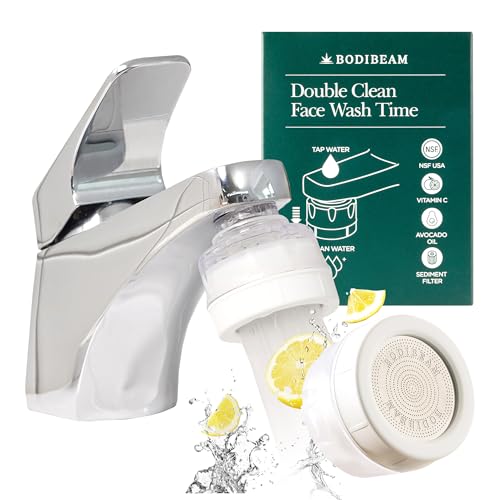
Bodibeam Bathroom Sink Faucet Water Filter, Filtration with Vitamin C Gel, Removes Chlorine & Heavy Metals, NSF Certified Hard Water Softener for Sensitive Skin Care, Made in Korea – Pure White
[K-BEAUTY'S Foundation is PURE WATER] A key factor in Korea's renowned focus on skin health often relates to…
As an affiliate, we earn on qualifying purchases.
As an affiliate, we earn on qualifying purchases.
Conclusion
A greywater recycling system in your bathroom works like a clever cycle, turning used water into a valuable resource. It collects water from sinks and showers, filters and treats it, then redirects it for flushing toilets or watering plants. Think of it as giving your bathroom water a second chance, like a butterfly emerging from its cocoon. Implementing such a system not only saves water but also helps the environment—making your bathroom smarter and more sustainable.

Camco TST Camper/RV Grey Water Odor Control – Removes Grease Buildup in Gray Water Tank, Sink & Shower Drains – 4oz Treats 40-Gal Holding Tank – Safe Septic Tank Treatment – Lemon, 64 oz (40256)
RV Grey Water Tank Treatment: Effectively cleans your RV's grey water system by removing tough grease buildup from…
As an affiliate, we earn on qualifying purchases.
As an affiliate, we earn on qualifying purchases.

J.C. Whitlam FLOW-KIT Flow-Aide System Descaler Kit, Model: FLOW-KIT, Outdoor & Hardware Store
In new white rectangular bucket
As an affiliate, we earn on qualifying purchases.
As an affiliate, we earn on qualifying purchases.