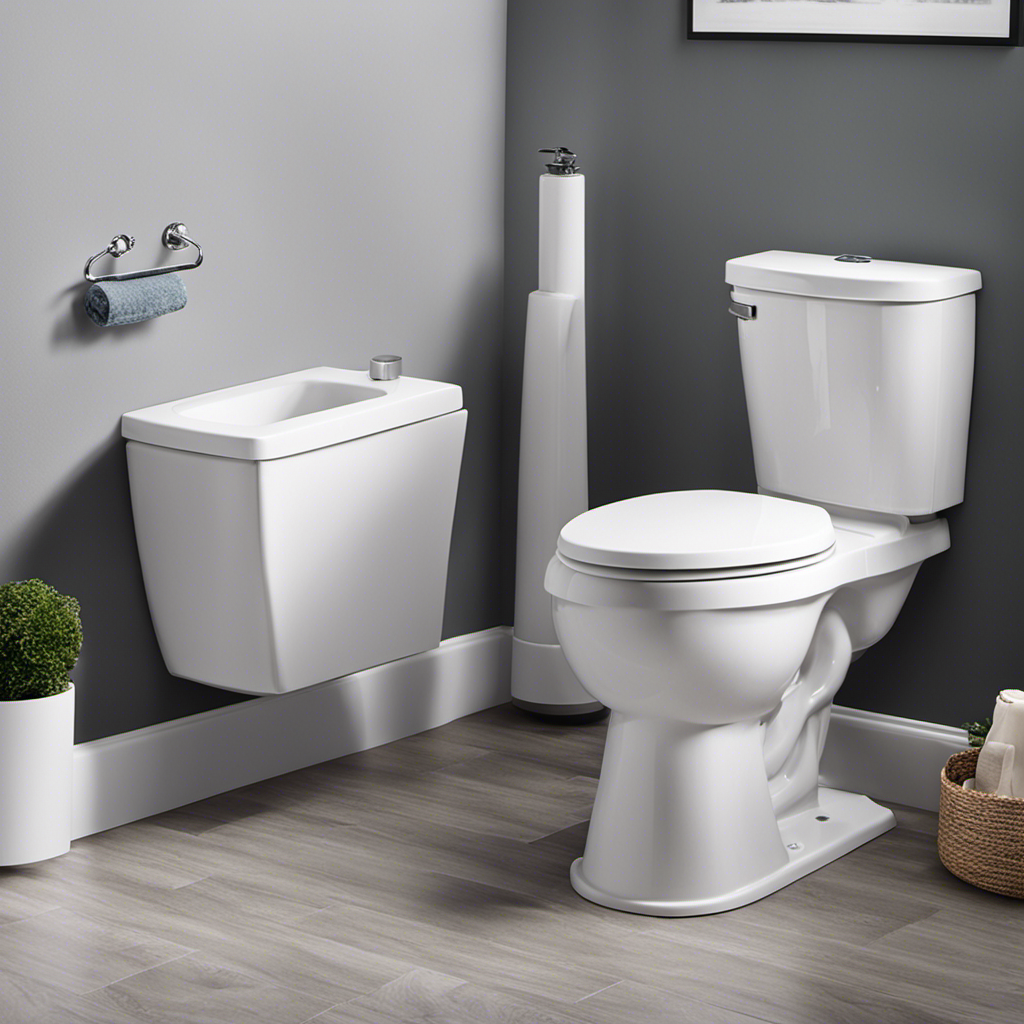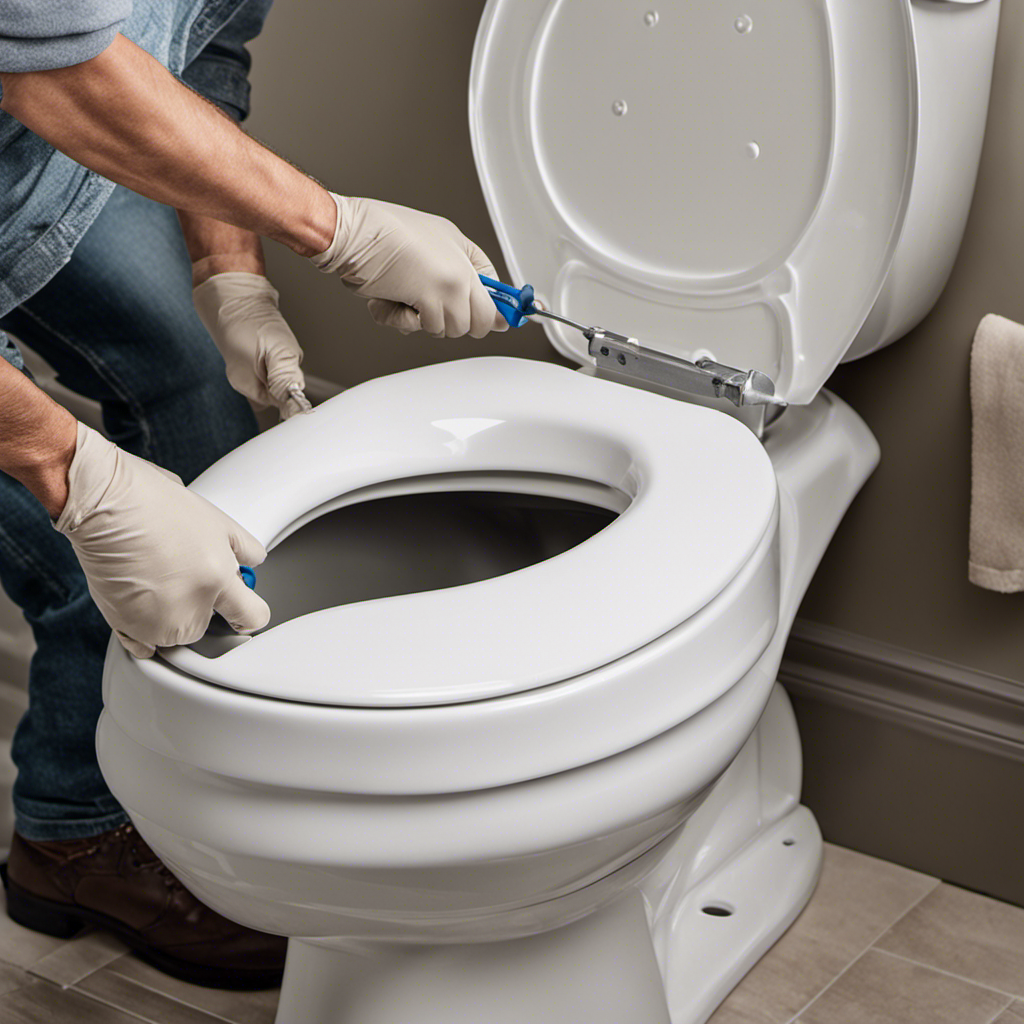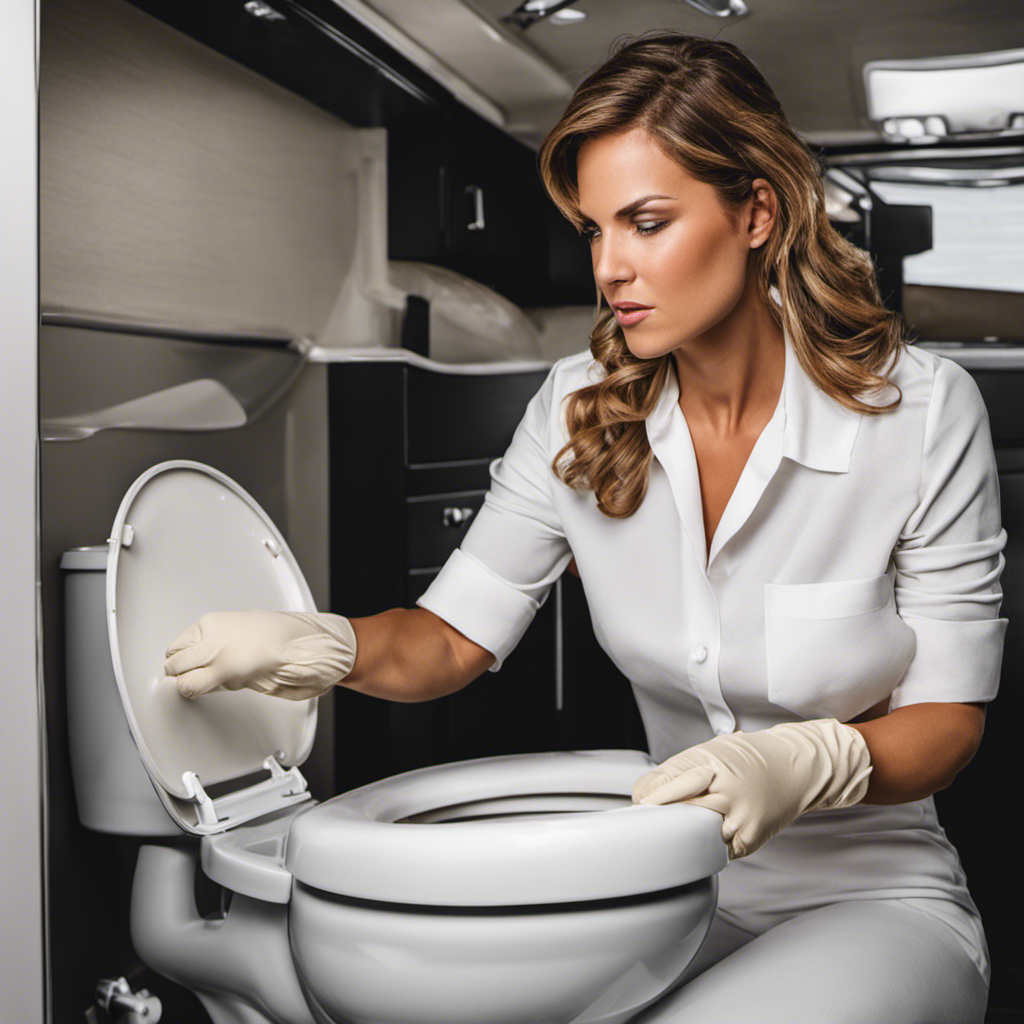

I’ve been there before, standing in my RV bathroom, frustrated and staring at a clogged toilet. It’s not a pleasant situation, but luckily, there are steps you can take to unclog your RV toilet and get things flowing smoothly again.
In this article, I’ll guide you through the process, from identifying common causes of clogs to providing helpful tips and tricks for prevention.
So, grab your tools and let’s get your RV toilet back in working order.
Key Takeaways
- Improper disposal of toilet paper can cause RV toilet clogs.
- Flushing foreign objects can lead to clogging in RV toilets.
- Regular maintenance and cleaning are essential to prevent RV toilet clogs.
- Using RV-friendly toilet paper that dissolves easily can help prevent clogs.
Common Causes of RV Toilet Clogs
One of the most common causes of RV toilet clogs is improper disposal of toilet paper. As an experienced RV owner, I have encountered this issue numerous times and have learned some valuable toilet troubleshooting techniques along the way.
When it comes to unclogging an RV toilet, there are a few DIY methods that can be quite effective. First, try using a plunger to create suction and dislodge the clog. If that doesn’t work, you can try using a toilet auger or snake to physically remove the blockage.
Another helpful technique is to pour hot water down the toilet to break up the clog. Remember to always use a toilet paper specifically designed for RVs, as they are more easily dissolvable and less likely to cause clogs.
Tools and Materials Needed for Unclogging an RV Toilet
When it comes to dealing with a clogged RV toilet, having the right tools and materials is essential for getting the job done efficiently.
One of the essential unclogging tools is a plunger specifically designed for RV toilets, as it can create the necessary pressure to dislodge the blockage.
In addition to the plunger, other required materials for unclogging include rubber gloves, a bucket, and a drain snake for more stubborn clogs.
Essential Unclogging Tools
To unclog your RV toilet, you’ll need a plunger and a toilet auger. These essential tools are crucial for toilet maintenance and DIY unclogging techniques.
The plunger is a powerful tool that creates suction and pressure to dislodge clogs. It’s important to use a plunger specifically designed for toilets, with a flange that creates a tight seal.
The toilet auger, also known as a closet auger, is a flexible tool that can reach deeper clogs. It has a coiled wire that can be extended into the toilet drain and rotated to break up blockages.
When using the toilet auger, it’s important to follow the instructions carefully to avoid damaging the toilet.
With these tools in hand, you’ll be able to tackle most RV toilet clogs effectively and efficiently.
Required Materials for Unclogging
You’ll need a plunger and a toilet auger, along with some gloves and a bucket, to effectively handle any clogs in your RV’s toilet. These common household items are essential for DIY unclogging methods.
The plunger is a versatile tool that creates suction to dislodge the clog. Make sure to choose a plunger with a flange, which will provide a better seal on the toilet bowl.
The toilet auger, also known as a snake, is used for more stubborn clogs that the plunger can’t handle. It has a long flexible cable that can reach deep into the pipes to break up the blockage.
Don’t forget to wear gloves to protect your hands and have a bucket nearby to catch any water or debris that may come out during the unclogging process.
With these tools and a little know-how, you can easily tackle any clog in your RV’s toilet.
Step-by-Step Guide to Unclog an RV Toilet
When it comes to dealing with clogs in an RV toilet, there are a few key points to keep in mind.
First, it’s important to understand the common causes of clogs, which can range from too much toilet paper to foreign objects being flushed.
Next, it’s crucial to know the most effective methods for unclogging, such as using a plunger or a toilet auger.
Lastly, to prevent future clogs, it’s essential to follow some practical tips, like using less toilet paper and avoiding flushing anything other than waste and toilet paper.
Common Clog Causes
One of the most common causes of clogs in an RV toilet is using too much toilet paper. Proper RV toilet maintenance is crucial to prevent clogs and ensure smooth operation. As an experienced RV enthusiast, I have encountered my fair share of clogs and have learned some DIY unclogging techniques that can be quite effective. To help you understand the common causes of clogs, take a look at the table below:
| Common Causes of Clogs | Prevention Tips |
|---|---|
| Excessive toilet paper | Use RV-specific toilet paper |
| Foreign objects | Avoid flushing non-biodegradable items |
| Insufficient water flow | Ensure proper water pressure |
Effective Unclogging Methods
To effectively clear a clog in your RV toilet, start by using a plunger. This is a tried and true method that can often dislodge the blockage and get your toilet flowing again. Make sure you have a good seal between the plunger and the toilet bowl, then vigorously push and pull to create pressure and suction.
If the plunger doesn’t do the trick, you can try a DIY unclogging method using a mixture of baking soda and vinegar. Pour about a cup of baking soda into the toilet bowl, followed by a cup of vinegar. Let the mixture sit for a few minutes, then flush with hot water. The chemical reaction between the baking soda and vinegar can help break up the clog.
Prevention Tips for Future
Regular maintenance is key to preventing future clogs in your RV’s toilet. As an experienced RV owner, I understand the importance of implementing prevention techniques and maintenance strategies to keep the toilet running smoothly.
First and foremost, it’s essential to use RV-friendly toilet paper that dissolves easily, preventing it from accumulating and causing blockages.
Additionally, regularly inspecting the toilet’s components, such as the flapper valve and flush mechanism, ensures any potential issues are addressed promptly.
Cleaning the toilet regularly with a mild, RV-safe cleaner not only keeps it sanitary but also helps prevent buildup and clogs.
Finally, using a high-quality holding tank treatment product can aid in breaking down waste and preventing clogs from forming in the first place.
Tips and Tricks for Preventing RV Toilet Clogs
Here’s a helpful tip for avoiding clogs in your RV toilet: make sure to use plenty of water when flushing. This is crucial because using insufficient water can lead to blockages and odors.
To further prevent RV toilet clogs, consider these practical tips:
-
Use RV-friendly toilet paper: Opt for toilet paper that is specifically designed for RVs. It dissolves faster and is less likely to cause clogs.
-
Regularly clean the tank: Empty and clean the black water tank regularly to prevent buildup and odors.
-
Avoid flushing non-biodegradable items: Never flush things like baby wipes, feminine hygiene products, or paper towels as they can easily cause blockages.
-
Maintain proper venting: Check the vent pipe on the roof of your RV to ensure it’s clear and properly functioning. Poor venting can lead to unpleasant odors.
-
Monitor water pressure: If you’re experiencing weak flushes or inconsistent water flow, check the water pressure and address any issues promptly to avoid clogs.
Signs of a Serious RV Toilet Blockage
If you notice that water is backing up or not draining properly in your RV bathroom, it may be a sign of a serious blockage. As an RV owner, it’s important to be aware of the warning signs of a severe RV toilet blockage. By understanding how to diagnose a stubborn RV toilet clog, you can take the necessary steps to resolve the issue and prevent further damage. Here are some common signs to look out for:
| Warning Signs | How to Diagnose a Stubborn RV Toilet Clog |
|---|---|
| Water backing up | Check if the water level rises when you flush. |
| Slow draining | Observe if the water takes longer than usual to drain. |
| Gurgling noises | Listen for strange sounds coming from the toilet. |
| Foul odor | Detect any unpleasant smells in the bathroom. |
Professional Help: When to Call a Plumber for RV Toilet Issues
When it comes to RV toilet issues, there are times when a DIY approach is sufficient, and other times when it’s best to call a professional plumber. Knowing when to DIY and when to seek professional help is crucial to avoid further damage and ensure a proper fix.
Here are some factors to consider:
-
Complexity of the issue: If the clog seems minor and can be easily resolved with basic tools and techniques, such as using a plunger or a plumbing snake, then a DIY approach is worth trying.
-
Safety concerns: If the issue involves potentially hazardous materials or requires working with complex plumbing systems, it’s best to leave it to the professionals who have the necessary skills and equipment.
-
Time constraints: If you’re running short on time or lack the expertise to tackle the problem effectively, calling a professional plumber can save you both time and stress.
-
Previous unsuccessful attempts: If you’ve tried DIY methods without success, it’s a clear sign that the problem may require professional intervention.
-
Cost considerations: While DIY can save you money, if the issue persists or worsens due to improper handling, it can lead to more expensive repairs. In such cases, calling a professional plumber upfront can be more cost-effective.
Common mistakes to avoid when unclogging an RV toilet include using harsh chemicals that can damage the toilet or plumbing system, using excessive force that may cause further damage, using improper tools that can scratch or break the toilet, neglecting to wear protective gloves and eyewear, and ignoring warning signs of a more serious issue that requires professional attention.
Frequently Asked Questions
How Often Should I Unclog My RV Toilet?
I’m not sure why you would need to unclog your RV toilet frequently, but it’s important to know how to prevent clogging. Look out for signs like slow draining and unusual noises.
Can I Use Regular Household Toilet Paper in an RV Toilet?
Yes, you can use regular household toilet paper in an RV toilet, but it may increase the risk of clogs. To prevent this, consider using toilet paper alternatives specifically designed for RVs, and have the best unclogging tools on hand.
What Are Some Alternative Methods to Unclog an RV Toilet?
When it comes to unclogging an RV toilet, there are a few alternative methods that can be effective. Plunging techniques and enzyme-based cleaners are two options worth considering.
How Long Does It Typically Take to Unclog an RV Toilet?
Unclogging an RV toilet can vary in time depending on the severity of the clog. Factors such as the unclogging method used and the common causes of the clog can also affect the time it takes to resolve the issue.
Are There Any Special Precautions to Take When Unclogging an RV Toilet?
When unclogging an RV toilet, it’s important to take special precautions to prevent future clogs. Common causes of clogs include excessive toilet paper and improper waste disposal. Proper maintenance and mindful usage can help avoid these issues.
Conclusion
In conclusion, unclogging an RV toilet can be a messy and frustrating task, but with the right tools and techniques, it can be done effectively.
By following the step-by-step guide and using the necessary tools, you can clear the clog and get your toilet back in working order.
Remember to take preventative measures to avoid future clogs, such as using RV-friendly toilet paper and regular maintenance.
If you encounter a serious blockage that you can’t handle, don’t hesitate to call a professional plumber for assistance.
Clearing an RV toilet clog is like untangling a knot – it may take some time and effort, but the end result is a smooth flowing system.