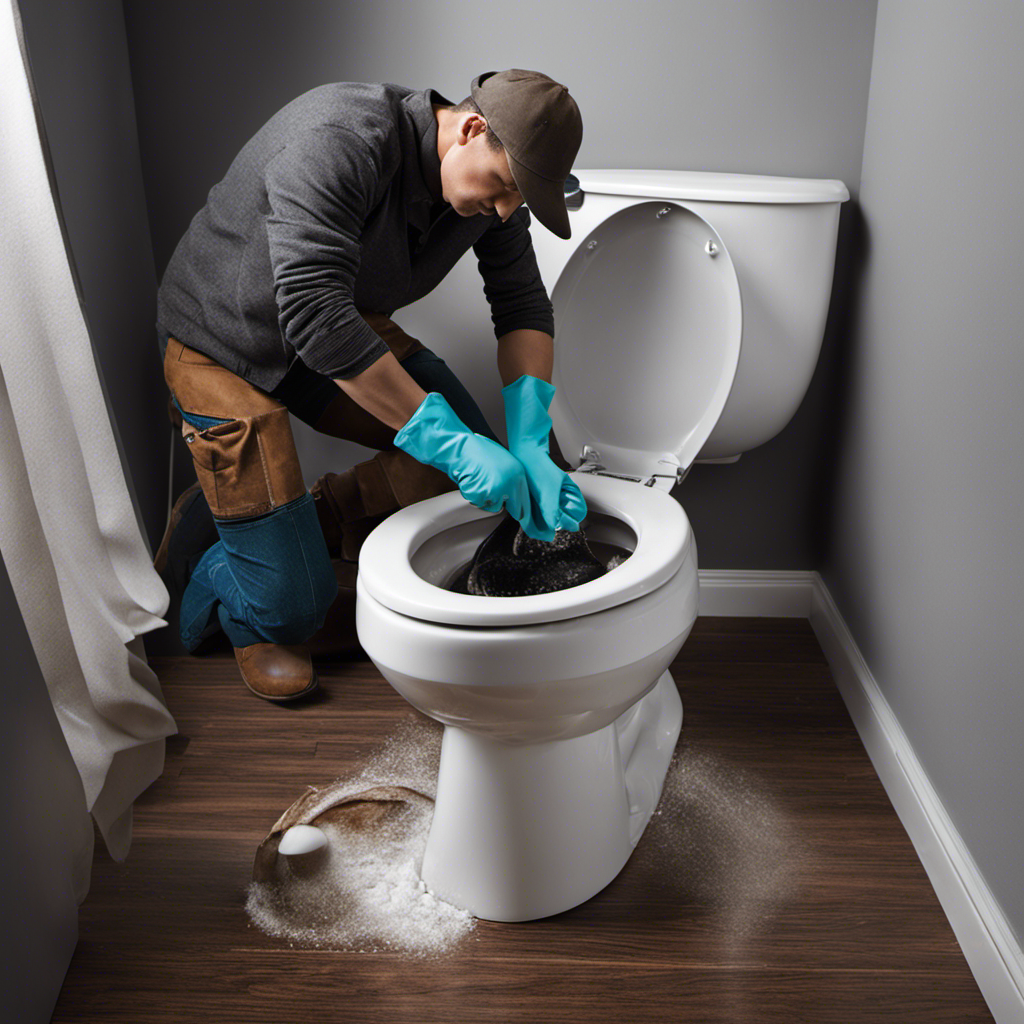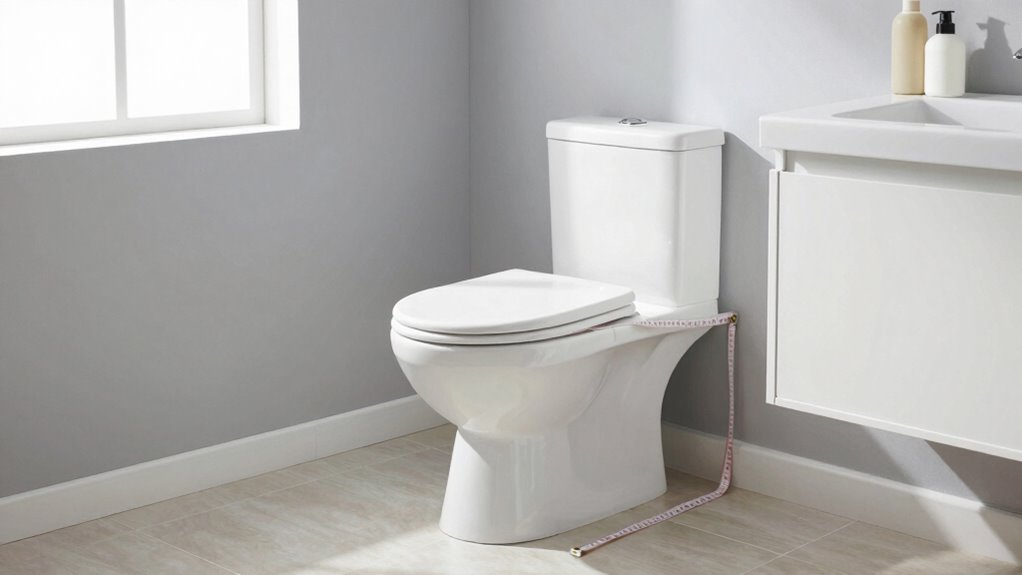

You need a minimum of 15 inches from the toilet’s center to side walls or obstructions and at least 24 inches in front for comfort and ease of movement. This space not only enhances usability but also makes cleaning easier and supports accessibility for everyone. Without proper clearance, you might face challenges in navigation and maintenance, making your bathroom less inviting. Discover how to optimize your space further for a more functional environment.

Get home appliances delivered free — and shop member deals
- Fast, free delivery on millions of items
- Access to Prime Big Deal Days deals on October 6–7
- Prime Video, Amazon Music and more included
Key Takeaways
- A minimum of 15 inches from the toilet center to side walls ensures comfort and usability for all users.
- At least 24 inches of clear space in front promotes easier access and maintenance.
- Local building codes dictate clearance requirements, ensuring safety and compliance during renovations.
- Adequate clearance enhances accessibility, particularly for individuals with mobility challenges, promoting independence.
- Creative bathroom designs, like wall-mounted fixtures, can optimize space while maintaining necessary clearances.
compact toilet with low clearance
As an affiliate, we earn on qualifying purchases.
As an affiliate, we earn on qualifying purchases.
Why Minimum Clearance Around a Toilet Matters
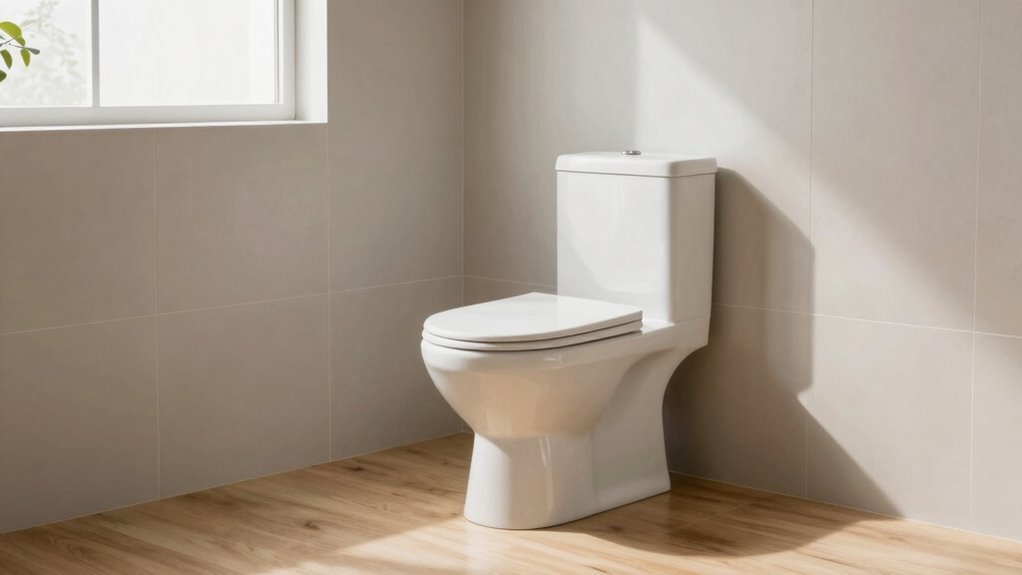
When planning your bathroom layout, understanding the minimum clearance around a toilet is essential for comfort and accessibility. Adequate space not only enhances toilet functionality but also improves the overall user experience. If the clearance is too tight, you might struggle to sit down or stand up comfortably, which can lead to frustration. Additionally, a cramped space can make cleaning difficult, impacting hygiene. You’ll want to guarantee that you have enough room on either side to effortlessly navigate, especially in a busy household. Consider how friends and family will use the bathroom; providing adequate clearance helps everyone feel at ease. Prioritizing this aspect of your design will ultimately create a more inviting and practical bathroom environment.
Recommended Toilet Clearance Dimensions
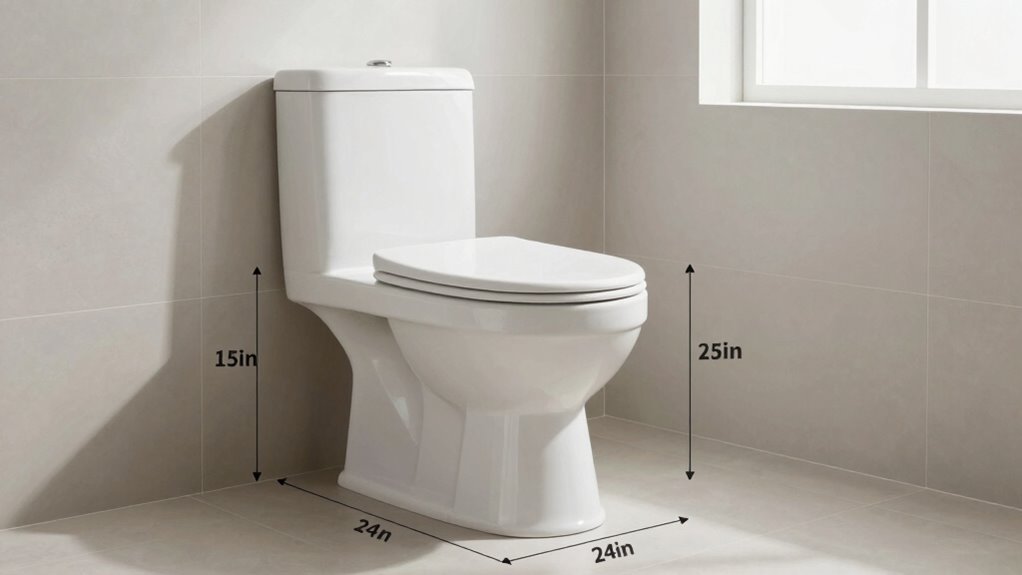
For a comfortable and functional bathroom, you’ll want to maintain specific clearance dimensions around your toilet. Ideally, you’ll have at least 15 inches from the center of the toilet to any side wall or obstruction. This guarantees easy access and space optimization. In front of the toilet, aim for a minimum of 24 inches of clear space. This not only enhances comfort but also allows for necessary maintenance. If you’re working with tight spaces, consider compact toilet dimensions, which can help fit your needs without compromising on clearance. By adhering to these recommended dimensions, you’ll create a more inviting and practical bathroom environment that accommodates everyone’s needs.
What You Need to Know About Local Clearance Codes
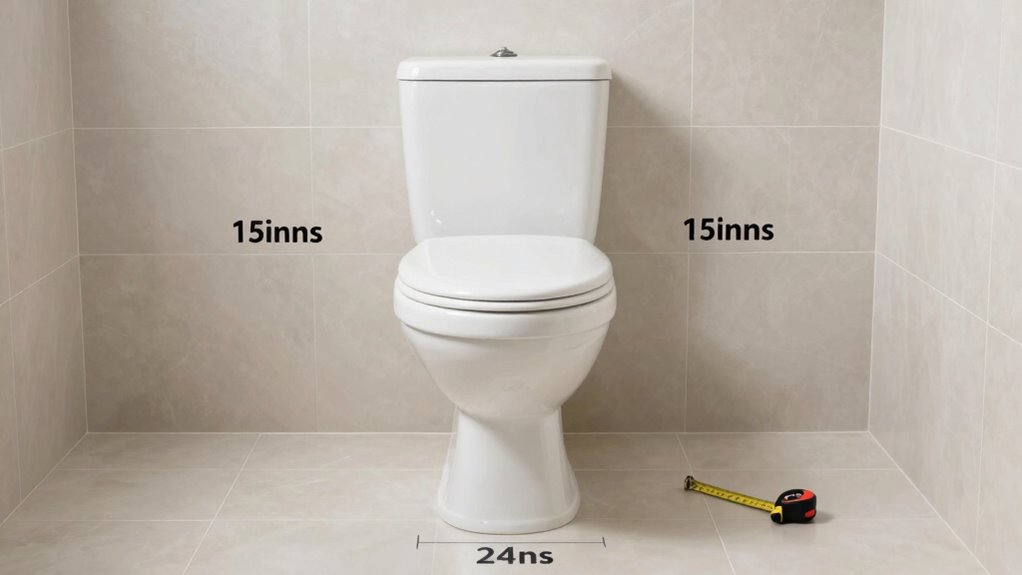
When planning your bathroom layout, it’s essential to understand local building regulations regarding toilet clearance. These codes guarantee your setup complies with safety and accessibility standards. Ignoring them could lead to costly adjustments down the line.
Local Building Regulations
Understanding local building regulations is essential, as these codes dictate the minimum clearance required around a toilet. Each area has specific local codes that you must follow to guarantee your bathroom meets safety standards. These regulations not only help maintain functionality but also promote safety and accessibility for everyone using the space.
Before starting any renovation or construction, check with your local building authority to understand the exact requirements in your area. This will help you avoid costly mistakes and potential fines. Remember, compliance with these local codes isn’t just about meeting legal obligations; it’s about creating a bathroom that’s safe and comfortable for you and your family. Always prioritize these regulations when planning your project.
Compliance With Standards
Before diving into your bathroom renovation, it’s essential to familiarize yourself with local clearance codes, as these standards guarantee your toilet is safely and comfortably positioned. Understanding these codes helps you avoid potential issues during inspection and guarantees compliance benefits, like enhanced safety and improved functionality. Local regulations often specify minimum distances from walls and other fixtures, so checking with your local building authority is vital. Code enforcement varies by region, but adhering to these guidelines can save you from costly modifications later. By prioritizing compliance, you’ll create a space that meets safety standards and enhances your overall bathroom experience. Don’t overlook this step; it’s key to a successful and stress-free renovation.
Clearance’s Effect on Bathroom Accessibility
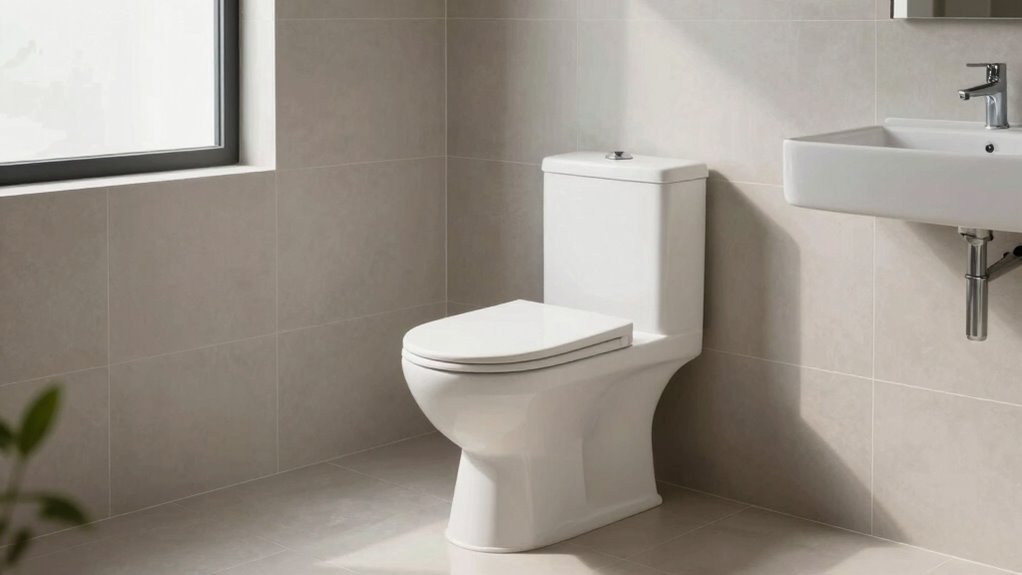
Clearance around a toilet greatly impacts bathroom accessibility, as insufficient space can hinder movement for individuals with mobility challenges. When you design a bathroom with accessible design principles, it’s essential to guarantee there’s enough room for wheelchairs, walkers, or other assistive devices. Ideally, you should aim for at least 60 inches of clearance around the toilet to allow for easy navigation. User-friendly layouts not only make it easier for everyone to use the space but also promote independence for those with disabilities. By prioritizing clearance, you’re not just complying with standards; you’re creating an environment that’s welcoming and functional. Additionally, ensuring proper acoustic treatment can enhance the overall comfort of the bathroom. Ultimately, a well-planned layout can make a significant difference in the daily lives of users, enhancing their overall experience. Additionally, incorporating smart furniture can further improve the safety and comfort of the bathroom environment. Providing personalized in-home care can also assist seniors in navigating these spaces more comfortably.
Clearance’s Impact on Comfort and Usability

When you prioritize sufficient space around a toilet, it can greatly enhance both comfort and usability. Adequate clearance allows for easy access, making it simpler to sit down and stand up without feeling cramped. Proper toilet placement guarantees that you won’t bump into walls or fixtures, promoting a more relaxed experience. If you’re accommodating multiple users, this becomes even more critical; everyone deserves a comfortable space. You’ll also notice that having enough room can reduce stress, allowing you to focus on privacy rather than maneuvering. Ultimately, thoughtful clearance contributes to an overall positive bathroom experience, making it easier to maintain hygiene and enjoy user comfort. Don’t underestimate the impact of a well-placed toilet in your design.
Common Design and Measurement Mistakes in Toilet Placement
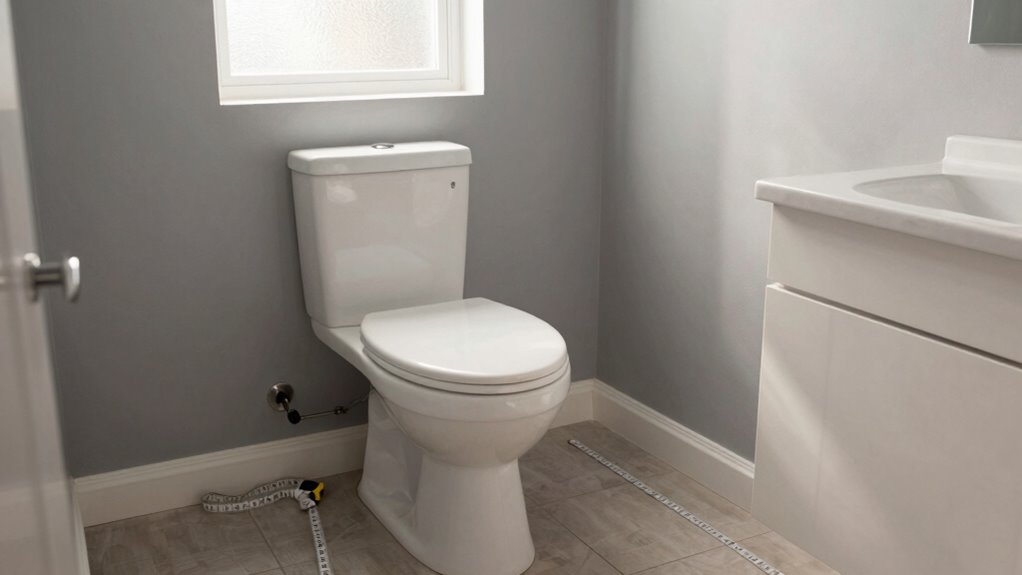
When placing a toilet, it’s easy to make mistakes that can affect comfort and functionality. You might underestimate side clearance, overlook the need for front space, or neglect accessibility requirements. These common errors can lead to a less-than-ideal bathroom experience.
Inadequate Side Clearance
Inadequate side clearance can greatly impact the functionality of a bathroom, often stemming from common design and measurement mistakes. When planning your toilet spacing, it’s essential to guarantee you leave enough room on either side. Too little clearance can make it uncomfortable for users, limiting access and mobility. You might find that tight spaces lead to frustrating experiences, especially when trying to clean or maintain the area. Always double-check your measurements and consider the average user’s needs. It’s wise to aim for a minimum of 15 inches from the center of the toilet to any adjacent wall or fixture. Prioritize user experience by avoiding cramped conditions, making sure your bathroom is both functional and comfortable.
Ignoring Front Space
Failing to account for adequate front space can lead to a frustrating bathroom experience. When you overlook this key design consideration, you risk making the toilet difficult to use. Ideally, you should aim for at least 21 inches of front space from the front of the toilet to any opposing fixture or wall. Without this clearance, you might find it hard to maneuver comfortably, which can be particularly annoying during busy mornings. Measure carefully and envision how the space will be used. Remember, creating a welcoming and functional bathroom involves more than just placing the toilet; it’s about ensuring you have enough front space to enhance both comfort and accessibility. Don’t let poor planning ruin your bathroom design!
Overlooking Accessibility Needs
Ignoring front space can easily lead to overlooking accessibility needs, which is a common mistake in toilet placement. When designing a bathroom, it’s crucial to take into account an accessible design that accommodates everyone. A user-friendly layout guarantees mobility and comfort for all users.
Here’s a quick reference for common mistakes in toilet placement:
| Mistake | Impact on Accessibility | Suggested Solution |
|---|---|---|
| Insufficient front space | Limits wheelchair access | Guarantee at least 60 inches |
| Poor side clearance | Hinders lateral movement | Maintain 18 inches on sides |
| Low toilet height | Difficult for some users | Install at ADA-compliant height |
| Cluttered surroundings | Impedes access | Keep area clear and open |
| Inaccessible controls | Limits usability | Position controls within reach |
Improving Usability With Proper Clearance
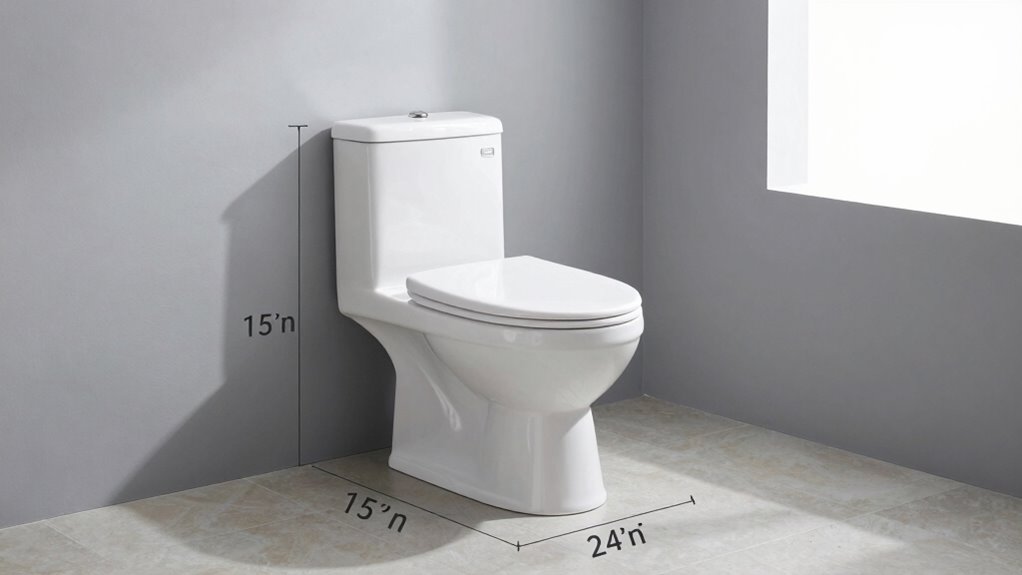
When you design a bathroom layout, guaranteeing proper clearance around a toilet can greatly enhance usability. You want to create user-friendly layouts that allow easy access for everyone. Ideal spacing is key; it not only provides comfort but also guarantees safety. Aim for at least 15 inches from the center of the toilet to any adjacent fixture or wall. This distance helps you move freely without feeling cramped. When there’s enough room, you can easily clean the area, and family members or guests will appreciate the thoughtful design. By prioritizing clearance, you’re investing in a functional space that meets everyday needs. Remember, a well-planned layout not only looks good but also enhances overall bathroom experience. Regular appliance maintenance can also improve the longevity and efficiency of your bathroom fixtures.
Creative Clearance Solutions for Small Bathrooms
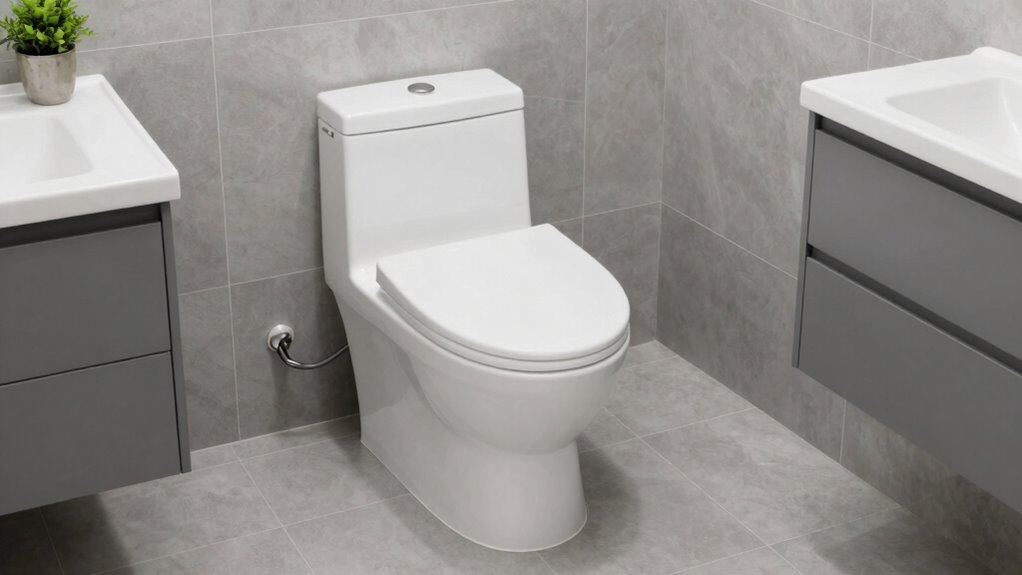
To maximize space in a small bathroom, you can employ creative clearance solutions that make the area feel more open and functional. Consider using space-saving designs, like wall-mounted sinks or toilets, which free up floor space and create a sleek look. Incorporate multi-functional fixtures, such as vanities with built-in storage or mirrors that double as cabinets. You might also explore corner shelves or compact shelving units to utilize vertical space effectively. Opt for sliding doors instead of traditional swings to minimize obstruction. Additionally, creating calm, clutter-light homes can greatly enhance your bathroom’s functionality and aesthetic appeal. Using light colors and reflective surfaces can enhance the feeling of openness, making your small bathroom feel larger than it is. Furthermore, small-space interior design prioritizes everyday well-being, ensuring that every inch is utilized efficiently. Implementing these strategies can transform your bathroom into a functional oasis, where style meets practicality. Remember, an organized oasis can significantly improve your overall living experience.
Measuring and Planning Your Bathroom Layout
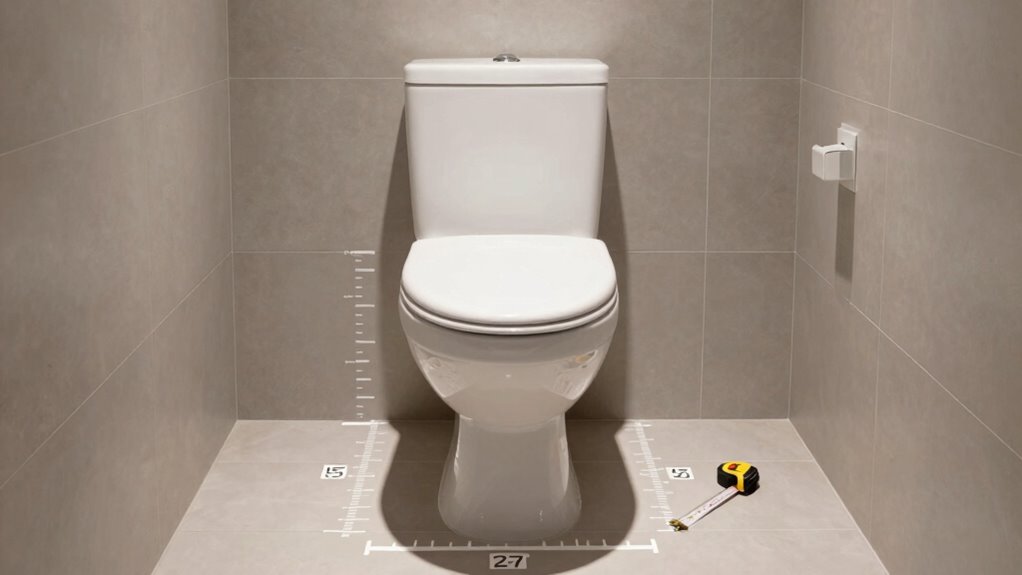
After implementing space-saving solutions, the next step is measuring and planning your bathroom layout effectively. Accurate bathroom dimensions are essential for layout optimization. Here’s how to get started:
After implementing space-saving solutions, measuring your bathroom dimensions is crucial for optimizing layout and enhancing functionality.
- Measure the Space: Use a tape measure to determine the length and width of your bathroom.
- Identify Key Fixtures: Mark the locations of existing plumbing, windows, and doors.
- Plan Flow and Accessibility: Make sure there’s enough clearance around the toilet and other fixtures for ease of movement.
- Consider Aesthetics: Think about how the layout will look and feel, balancing functionality with style. Additionally, pay attention to door swings as they can significantly impact the overall functionality of the space.
Toilet Clearance Solutions for Tight Spaces

Even if space is limited in your bathroom, you can still create a functional and comfortable environment around your toilet. Consider using compact toilet designs, which often have a smaller footprint without sacrificing style or efficiency. These models fit snugly in tight spaces while providing the necessary clearance.
Additionally, think about vertical space utilization. Installing shelves or cabinets above the toilet can store essentials, keeping the floor area clear and organized. This not only maximizes your space but also enhances the overall aesthetic of your bathroom. Incorporating a dual-flush toilet system can also contribute to both efficiency and space-saving design.
Frequently Asked Questions
Can I Install a Toilet Without Minimum Clearance?
No, you can’t install a toilet without minimum clearance. Ignoring clearance guidelines can lead to cramped spaces that make daily use uncomfortable. You might struggle to clean around it or access plumbing if you don’t follow these standards. Plus, a poorly positioned toilet can cause potential plumbing issues down the line. It’s best to stick to the recommended guidelines for a smooth and functional toilet installation. Your bathroom deserves it!
What Happens if Clearance Requirements Are Ignored?
If you ignore clearance requirements, your toilet design could lead to serious issues. You might find it cramped and uncomfortable, making it difficult for users to maneuver. This can also cause accessibility problems, especially for those with mobility challenges. Plus, inadequate space can hinder cleaning efforts, leading to hygiene concerns. Ultimately, you compromise user comfort and the overall functionality of your bathroom, which isn’t ideal for anyone.
How Can I Assess My Bathroom’s Clearance?
To assess your bathroom’s clearance, start by measuring the space around your toilet. You’ll want a minimum of 15 inches from the center to any side wall or fixture. Consider design considerations like the door swing and accessibility. Make certain there’s at least 24 inches of clear space in front of the toilet for comfort. These bathroom measurements help guarantee a functional and pleasant space for you and your guests.
Are There Different Clearance Standards for Different Toilet Types?
Yes, there are different clearance standards for various toilet types. Imagine fitting a sleek sports car into a compact garage; it needs more room than a compact sedan. Similarly, elongated toilets require extra clearance compared to round ones. Generally, standard clearance is around 15 inches from the center to side walls, but always check local building codes, as they may vary by toilet types and styles. It’s essential to plan accordingly for comfort!
How Does Clearance Affect Plumbing Accessibility?
Clearance directly affects plumbing accessibility by ensuring you have enough space to reach pipes and fixtures easily. If you don’t allow for adequate clearance, you might struggle during maintenance or repairs, leading to plumbing inefficiency. By keeping proper distances around your toilet, you enhance maintenance ease, making it simpler for you or a plumber to access the plumbing system when needed. This ultimately saves time and reduces potential issues down the line.
Conclusion
In the dance of bathroom design, toilet clearance is your partner, guiding comfort and accessibility. Without proper space, you risk stepping on toes—literally and figuratively. Whether you’re crafting a cozy nook or a spacious retreat, remember that every inch counts. So, embrace the dimensions that elevate your experience and keep your space flowing smoothly. With the right clearance, your bathroom can transform from cramped chaos into a serene sanctuary. Don’t let tight spaces cramp your style!
NFL season / tailgating Picks
team gear
As an affiliate, we earn on qualifying purchases.