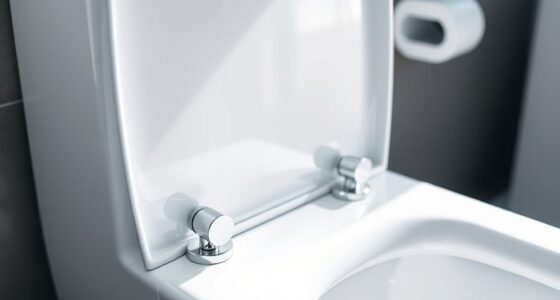
Toilet sewer smells in your bathroom can come from several issues. You might have a broken seal or a dry trap, which allows sewer gases to escape. Improper maintenance and clogs can trap waste, creating foul odors. Blocked vents can disrupt airflow, contributing to unpleasant smells as well. Regular cleaning and checking for visible issues are essential, but if the problems persist, there are more solutions you might want to contemplate.

Get home appliances delivered free — and shop member deals
- Fast, free delivery on millions of items
- Access to Prime Big Deal Days deals on October 6–7
- Prime Video, Amazon Music and more included
Key Takeaways
- Improper toilet maintenance, including clogs and leaks, can lead to sewer smells in the bathroom.
- Worn-out wax seals around the toilet may allow sewer gases to escape.
- Inadequate bathroom ventilation contributes to moisture buildup and persistent odors.
- Clogs trap waste, creating bacteria that release foul smells into the bathroom.
- Dry traps from infrequently used sinks or tubs can allow sewer gases to enter the space.
As an affiliate, we earn on qualifying purchases.
Common Causes of Toilet Sewer Smells

When you notice a sewer smell in your bathroom, it can be both alarming and unpleasant. Several common causes may be behind this issue. First, improper toilet maintenance can lead to clogs or leaks, allowing odors to escape. Check for any visible issues around the toilet base or tank. Another culprit could be a worn-out wax seal, which seals the toilet to the floor and prevents sewer gases from entering your space. Additionally, if your bathroom lacks adequate ventilation, moisture can build up, creating a breeding ground for odors. Regular cleaning and maintenance are essential for odor prevention. By addressing these issues, you can keep your bathroom smelling fresh and inviting.
How a Dry Trap Leads to Odors
Ignoring the issue of a dry trap can lead to persistent odors in your bathroom. A dry trap occurs when water evaporates from the U-shaped bend in your plumbing, leaving a gap that allows sewer gases to escape. This is especially common in infrequently used sinks or tubs. Regular trap maintenance is important; make sure to check these fixtures periodically. If you notice foul smells, it’s likely that the trap has dried out. Simply running water down the drain can refill the trap and eliminate the odor. Remember, keeping water in the trap is your first line of defense against unpleasant sewer smells, so don’t overlook this simple yet essential task!
Identifying Broken Toilet Seals
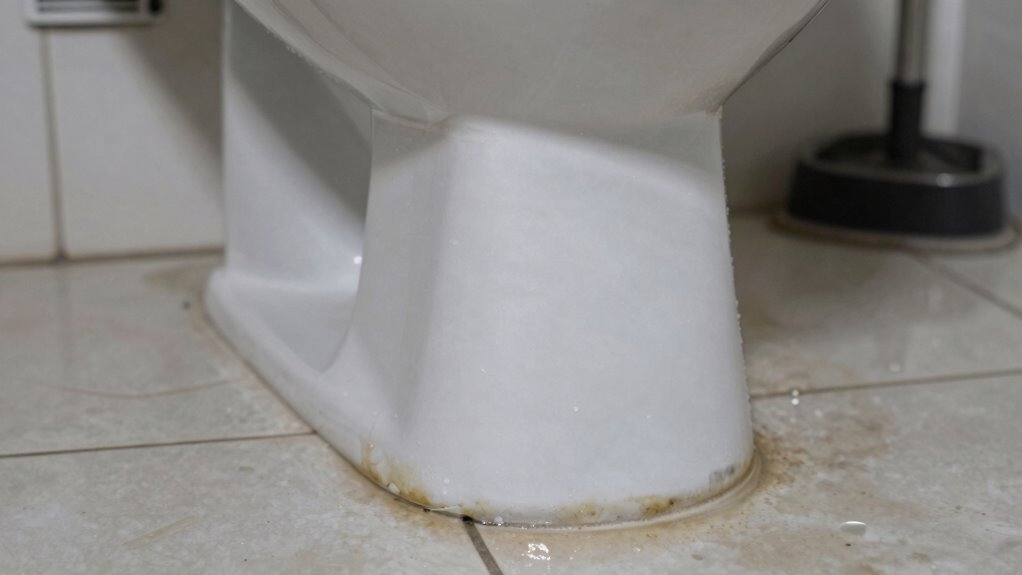
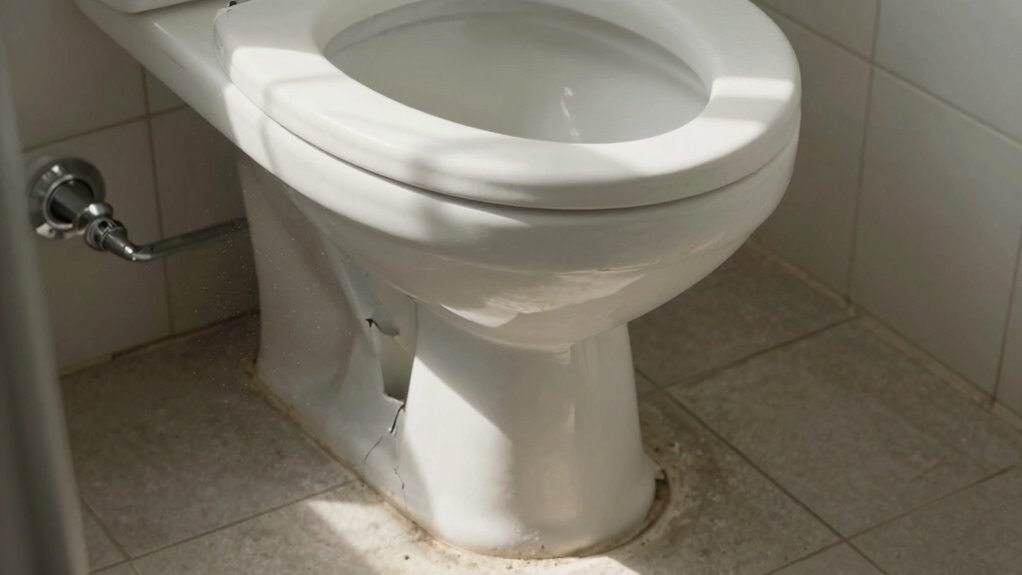
If you notice persistent odors around your toilet, it might be a sign of a broken seal. Look for water stains or an unstable toilet, as these can indicate seal damage. Addressing these issues quickly can save you from more serious plumbing problems down the line.
Signs of Seal Damage
A damaged toilet seal can lead to unpleasant sewer smells and even water damage in your bathroom. It’s essential to check for signs of seal damage to maintain seal integrity and guarantee effective odor prevention. Here are four signs to watch for:
- Visible Gaps: Check for any spaces between the toilet base and the floor.
- Water Puddles: Notice any moisture or puddles around the toilet.
- Unpleasant Odors: Be alert to persistent sewer smells, even after cleaning.
- Wobbling Toilet: If your toilet feels unstable or rocks, the seal might be compromised.
Additionally, addressing seal issues promptly can help prevent costly water damage and maintain a healthy bathroom environment.
Repairing Toilet Seals
Once you’ve identified signs of seal damage, it’s time to address the issue head-on. Start by shutting off the water supply to your toilet. Remove the toilet tank lid and flush to empty the tank. Next, disconnect the water supply line and unbolt the toilet from the floor. Carefully lift it off and inspect the wax ring or rubber seal at the base. If it’s cracked or compressed, you’ll need a seal replacement. Clean the area thoroughly before placing a new wax ring or seal. Reposition the toilet, reattach it, and reconnect the water supply. Performing regular toilet maintenance can help prevent future issues, ensuring your bathroom stays odor-free and functional.
How Venting Problems Cause Odors?

When venting problems arise in your bathroom, unpleasant odors can quickly become a persistent issue. Ventilation issues disrupt the air pressure balance, letting sewer gases seep into your space. Here are four common causes of these odors:
Venting problems in your bathroom can lead to unpleasant odors as sewer gases disrupt the air pressure balance.
- Blocked Vent Pipes: Debris or obstructions can prevent proper air flow.
- Improperly Installed Vents: Faulty installation can lead to air pressure issues.
- Dry P-traps: If not regularly used, these traps may dry out, allowing odors to escape.
- Damaged Vent System: Cracks or breaks in the vent line can release sewer gases.
Addressing these venting problems promptly can help eliminate those unpleasant smells and restore comfort in your bathroom.
Impact of Clogs on Bathroom Odors
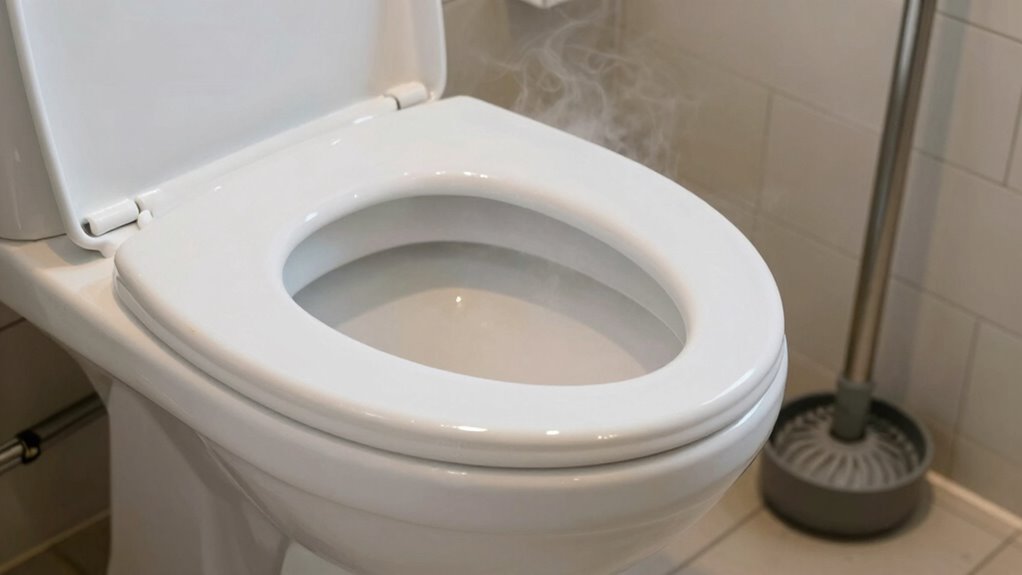
Clogs in your bathroom’s plumbing can greatly contribute to unpleasant odors, as they trap waste and debris, creating a breeding ground for bacteria. The clogging effects not only block water flow but also prevent proper drainage, leading to stagnant water that enhances odor sources. Over time, this trapped material decomposes, releasing foul smells that can permeate your bathroom. If you notice a persistent odor, it’s essential to address any clogs promptly. Ignoring them can result in more severe plumbing issues and worsening smells. Regular maintenance, like clearing drains and avoiding flushing inappropriate items, can notably reduce the risk of clogs and keep your bathroom smelling fresh. Additionally, using a pressure washer can help clean stubborn clogs and improve overall drain performance. Stay proactive to guarantee a pleasant bathroom environment.
How to Spot a Damaged Wax Ring

If you notice visible damage around the wax ring, it’s a sign something’s off. Pay attention to any unusual movement of the toilet or persistent foul odors in your bathroom. These clues can help you identify a damaged wax ring before it leads to bigger problems.
Visible Wax Ring Damage
Although you might not think about it often, visible wax ring damage can be a significant source of foul odors in your bathroom. If you suspect your wax ring needs attention, look for these signs:
- Leaks: Check for water pooling around the base of the toilet.
- Cracks: Inspect the wax ring for any visible cracks or breaks.
- Odors: Notice any persistent sewer smells, especially after flushing.
- Movement: Verify the toilet feels stable; rocking can indicate a damaged seal.
Regular wax ring maintenance is vital for preventing odors, and if you spot any damage, don’t hesitate to contemplate a wax ring replacement. Addressing these issues promptly keeps your bathroom fresh and functional.
Unusual Toilet Movement
When your toilet feels wobbly or shifts under your weight, it’s often a clear sign that the wax ring has been compromised. You might also notice unusual noises, like gurgling or bubbling sounds, which can indicate that air is escaping from the seal. To confirm the issue, observe any toilet movement during use. If it feels unstable, it’s time to investigate further. Check for visible gaps between the base of the toilet and the floor, and listen closely for those strange sounds when you flush. Ignoring these signs can lead to bigger problems, including leaks and water damage. If you suspect a damaged wax ring, consider replacing it to restore stability and prevent further issues.
Foul Odor Detection
Detecting foul odors in your bathroom can be an unsettling experience, especially if you suspect a damaged wax ring. Here are some signs to look for that can help you identify the issue:
- Water pooling around the base of the toilet indicates a potential leak.
- Unpleasant smells near the toilet that seem to worsen can signal a wax ring failure.
- Movement of the toilet when you sit can indicate it’s not securely sealed.
- Visible gaps between the toilet and the floor can suggest the wax ring isn’t doing its job.
To avoid these issues, consider odor prevention tips, like regular inspections. If smells persist, use scent masking solutions until you can address the root cause.
Solutions for Eliminating Toilet Sewer Smells
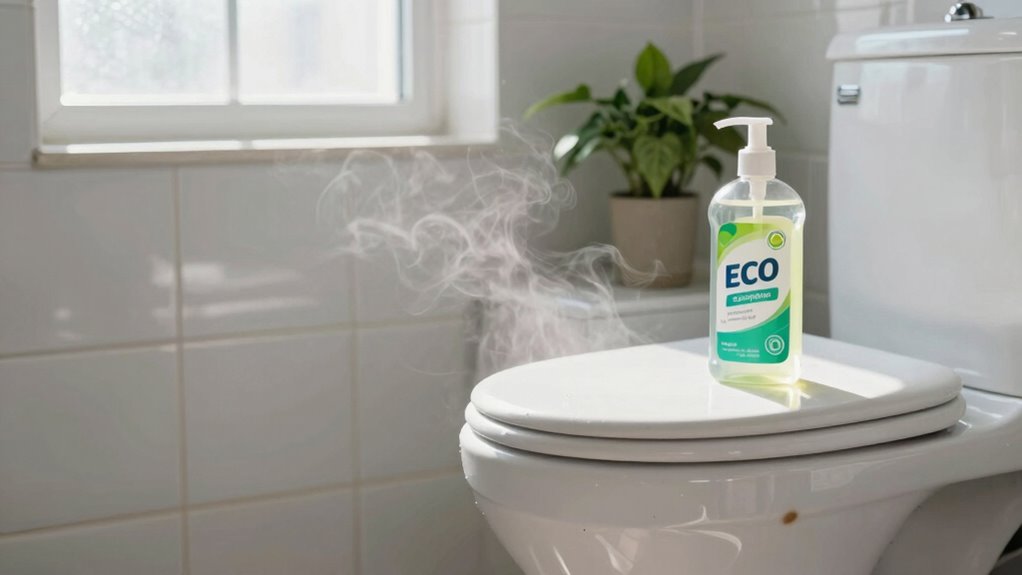
To eliminate toilet sewer smells in your bathroom, it’s essential to identify and address the underlying causes. Start with regular toilet cleaning; using a quality cleaner can help break down buildup and eliminate odors. Pay attention to the areas around the toilet and under the rim where grime can accumulate.
Next, consider using odor eliminators like baking soda or activated charcoal. Place them near the toilet to absorb unpleasant smells. Additionally, make sure that your bathroom is well-ventilated to keep air circulating and help reduce odors. If you notice persistent smells, check for leaks or issues with the toilet seal, as these can contribute to the problem. Keeping up with these tasks will help maintain a fresh-smelling bathroom.
When to Call a Professional Plumber?
How can you tell if it’s time to call a professional plumber? Recognizing when to seek help can save you from costly repairs and unpleasant situations. Here are four signs it’s time to call in an expert:
Knowing when to call a plumber can prevent costly repairs and uncomfortable situations. Don’t ignore the signs!
- Persistent odors: If sewer smells linger despite your efforts, it might indicate a deeper issue. Regular maintenance can help prevent such problems in the first place, as understanding common toilet issues can aid in troubleshooting.
- Frequent clogs: Regularly dealing with blockages could signal a need for emergency plumbing.
- Slow drains: If your sinks or toilets drain slowly, it may be a sign of plumbing maintenance needed.
- Visible leaks: Water stains or puddles suggest leaks that require professional attention.
Additionally, ignoring these signs can lead to increased safety risks, similar to how homes without security systems may face greater threats. Don’t hesitate to reach out for help before small problems turn into major headaches!
Frequently Asked Questions
Can Toilet Sewer Smells Affect Indoor Air Quality?
Yes, toilet sewer smells can definitely affect indoor air quality. When these odors linger, they often indicate the presence of toxic gases like methane or hydrogen sulfide. If your bathroom has ventilation issues, those gases can build up, making the air unsafe to breathe. Regularly checking for leaks and ensuring proper ventilation can help maintain a healthier environment in your home, preventing unpleasant odors and potential health risks.
Are There Natural Remedies for Toilet Odors?
Yes, there are natural remedies for toilet odors! You can sprinkle baking soda in the bowl to neutralize smells. Let it sit for a bit, then scrub with a toilet brush. Adding a few drops of essential oils, like lavender or tea tree, can also freshen things up. Just mix them with water in a spray bottle and use it around the toilet area. These simple solutions keep your bathroom smelling great!
How Often Should I Clean My Toilet to Prevent Smells?
You should clean your toilet at least once a week to maintain freshness and prevent odors. I know you’re busy, but consistent toilet maintenance can save you from unpleasant surprises later. If you notice smells or stains, increase your cleaning frequency. Using the right products and a quick scrub can make a big difference. Regular upkeep not only keeps your toilet looking good but also guarantees a fresh bathroom environment for you and your guests.
Do Toilet Fragrances Help Eliminate Sewer Odors?
Toilet fragrances can help mask odors but aren’t a complete solution for sewer smells. While they provide a pleasant scent, they don’t address the root cause of the problem. For effective odor elimination, you should focus on regular cleaning and maintenance. Check for leaks, clogs, or other issues that might be causing the smell. Combining fragrances with proper hygiene practices will give you the best results in keeping your bathroom fresh.
Can Humidity Levels Influence Toilet Smells?
Absolutely, humidity levels can influence toilet smells. Imagine a bathroom after a hot shower, where moisture control is poor; this creates a perfect environment for odors to thrive. Humidity sources like steam can lead to stagnant air, intensifying unpleasant smells. To combat this, consider using exhaust fans or dehumidifiers. Keeping your bathroom well-ventilated helps maintain low humidity, reducing the chances of those pesky sewer smells lingering around.
Conclusion
In summary, tackling toilet sewer smells is like maneuvering through a maze—you need to identify the right path. Whether it’s a dry trap, broken seal, or venting issue, knowing the cause is key to finding a solution. Don’t let these unpleasant odors linger; take action to restore freshness to your bathroom. If you’re ever unsure, don’t hesitate to call a professional plumber. After all, it’s better to ask for directions than to wander aimlessly!
Fall yard work Picks
leaf blowers
As an affiliate, we earn on qualifying purchases.