
WaterSense standards for toilets set strict criteria to guarantee they use no more than 1.28 gallons per flush while still offering reliable, powerful flushing. These standards assure that you get effective waste removal without wasting water, helping you save on utility bills and reduce your environmental impact. Because of innovative designs and advanced engineering, WaterSense toilets balance performance with efficiency. Keep exploring to find out how these standards benefit your home and the planet.

Get home appliances delivered free with Prime
- Fast, free delivery on millions of items
- Prime Video, Amazon Music and more included
- Member-only deals all year
Key Takeaways
- WaterSense standards require toilets to use no more than 1.28 gallons per flush, promoting water conservation.
- They ensure toilets deliver reliable performance and effective waste removal despite reduced water use.
- EPA rigorously tests WaterSense toilets for quality, ensuring efficiency without sacrificing flushing power.
- These standards incorporate innovative design features that balance water savings with user satisfaction.
- Using WaterSense-certified toilets reduces water bills, lowers environmental impact, and minimizes maintenance costs.

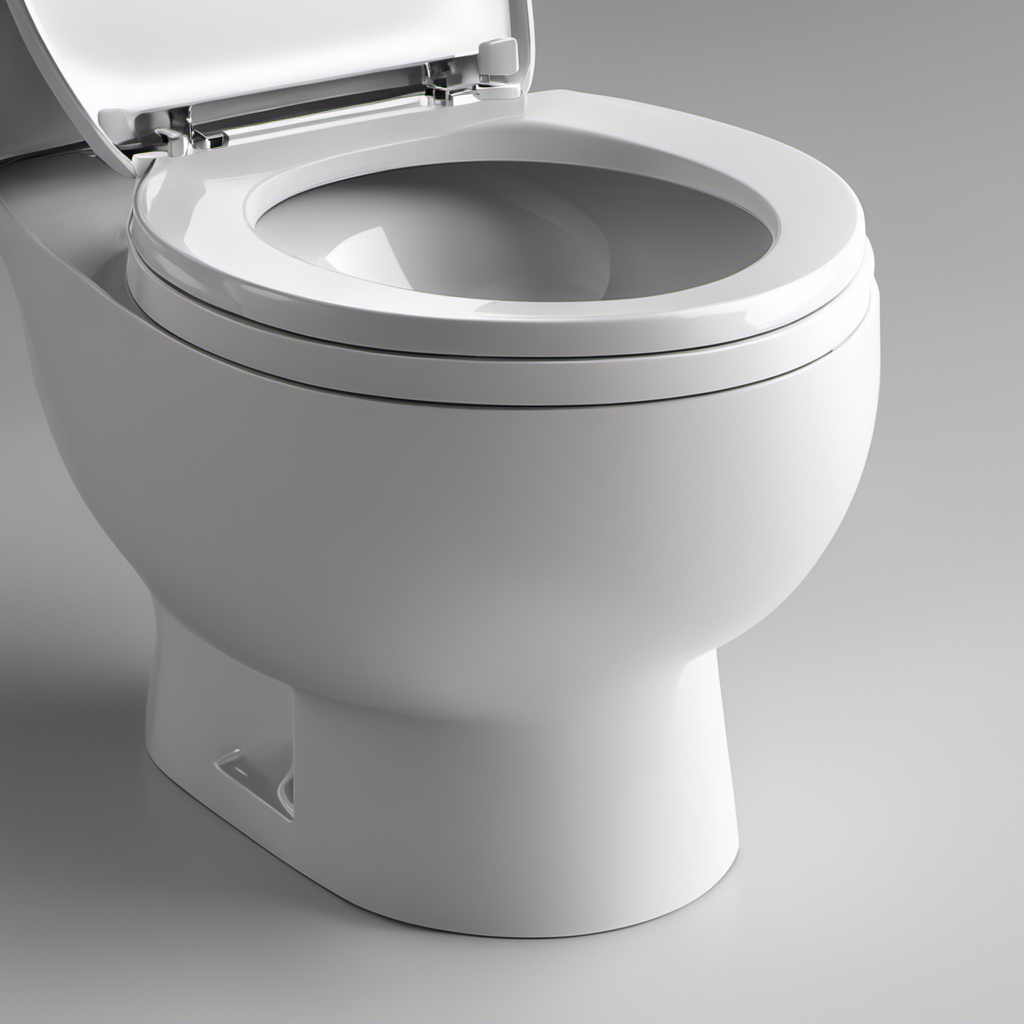
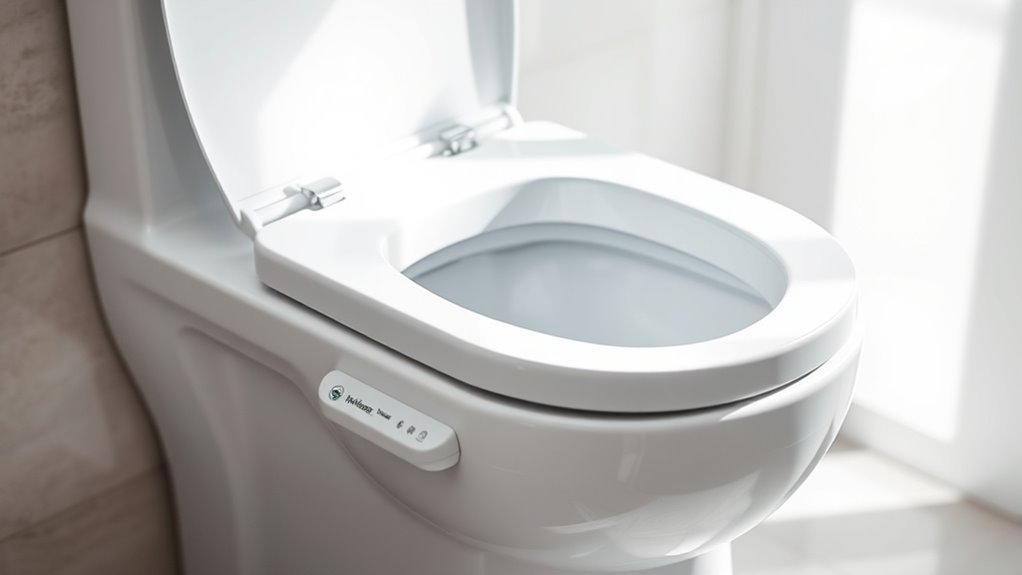
Water efficiency is at the core of what makes WaterSense toilets stand out. These models typically use no more than 1.28 gallons per flush, compared to older toilets that can use 3.5 gallons or more. This significant reduction in water consumption can lead to substantial savings over time, especially if your household frequently uses the bathroom. Plus, the EPA rigorously tests these toilets to guarantee they perform well despite using less water. So, you can rest assured you’re not sacrificing flushing power or reliability for conservation. Additionally, the design and engineering of WaterSense toilets often incorporate innovative features that improve performance and user experience. Toilet design also plays a vital role in the effectiveness of WaterSense-certified models. Many of these toilets incorporate advanced engineering to optimize water flow and reduce clogs, all while maintaining a sleek and modern appearance. Features like streamlined bowls, efficient flushing mechanisms, and improved trapways contribute to better waste removal with less water. Some designs focus on dual-flush options, giving you the choice between a light flush for liquid waste and a more robust flush for solids. This flexibility allows you to tailor water use to your needs, further enhancing water efficiency. Choosing a WaterSense toilet means you’re investing in a product that balances water savings with performance. The design elements are carefully crafted to ensure that each flush is effective, reducing the need for multiple attempts or additional flushing. This efficiency is not just good for the environment but also for your wallet, as it minimizes water bills and maintenance costs. Plus, many WaterSense toilets are compatible with modern bathroom aesthetics, so you don’t have to compromise style for sustainability.
Products Worth Considering

Dyson Ball Animal 3 Extra Upright Vacuum

Ring Battery Doorbell Plus, Satin Nickel

Blueair Blue Pure 211i Max Air Purifier
As an affiliate, we earn on qualifying purchases.
Frequently Asked Questions
How Do Watersense Toilets Compare in Price to Standard Models?
WaterSense toilets typically cost more upfront than standard models, but the difference is often minimal due to their affordability factors. You might pay a bit extra initially, but you’ll save money over time through reduced water bills. The cost comparison shows that many WaterSense models are competitively priced, making them a smart investment for eco-conscious homeowners wanting efficiency without breaking the bank.
Are Watersense Toilets Compatible With Existing Plumbing Fixtures?
Yes, WaterSense toilets are compatible with most existing plumbing fixtures. You should check the plumbing compatibility and installation requirements before upgrading. These toilets are designed to fit standard connections, making installation straightforward. However, some models might require minor adjustments or additional parts, so it’s wise to review the manufacturer’s instructions or consult a professional to guarantee a smooth, efficient upgrade without any plumbing issues.
What Is the Lifespan of a Watersense-Certified Toilet?
A WaterSense-certified toilet typically lasts around 10 to 15 years, depending on usage and maintenance. You can expect good toilet durability over this period with proper care. Certification longevity doesn’t necessarily influence its lifespan but guarantees it meets strict water efficiency and performance standards. To maximize your toilet’s lifespan, follow manufacturer guidelines for cleaning and repairs, and consider high-quality models for added durability.
Do Watersense Toilets Require Special Maintenance or Cleaning?
You don’t need to worry about special maintenance tips or cleaning requirements for WaterSense toilets—they’re as easy as brushing your teeth! Just use regular toilet cleaner and a brush, and clean as you normally would. These eco-friendly wonders don’t demand any extra effort, making your cleaning routine simple and quick. Keep them in good shape, and they’ll save water without demanding any complicated maintenance from you!
Can Watersense Standards Change Over Time?
Yes, WaterSense standards can modify over time. Regulatory updates and evolving water efficiency goals may lead to new requirements. The certification process guarantees toilets meet current standards, so manufacturers might need to update their products periodically. Staying informed about these changes helps you choose toilets that comply with the latest WaterSense standards, ensuring efficient water use and potential savings on your utility bills.
Conclusion
By choosing WaterSense-labeled toilets, you’re making a smart decision that benefits both your wallet and the environment. These standards guarantee you get efficient performance without sacrificing quality. Think of WaterSense standards like a reliable compass—guiding you toward smarter water use. When you opt for these toilets, you’re not just saving water, you’re helping preserve our planet’s most precious resource for future generations. Every small choice, like this, adds up to a bigger, meaningful impact.