A sewer camera‘s a smart tool for inspecting your pipes without digging. It helps you spot blockages, leaks, and even tree root intrusions early on. However, it can’t provide a full picture of structural integrity or depth issues, and may be hindered by debris or corrosion. If you notice signs like slow drainage or unpleasant odors, it’s a good time for an inspection. Want to uncover more about preparing for inspections and what comes next?

Get home appliances delivered free with Prime
- Fast, free delivery on millions of items
- Prime Video, Amazon Music and more included
- Member-only deals all year
Key Takeaways
- Sewer cameras provide real-time video footage to identify issues like blockages, leaks, and tree root intrusions before excavation.
- Common issues detectable include severe blockages, pipe cracks, and corrosion, all crucial for informed repair decisions.
- Limitations include difficulties in assessing structural integrity and visualizing depth due to debris and material composition.
- Preparing for an inspection involves clearing access points and gathering plumbing history to optimize the diagnostic process.
- Professional services offer expertise and detailed reports, while DIY rentals may lack technical support for complex issues.
As an affiliate, we earn on qualifying purchases.
What Is a Sewer Camera and How Does It Work?

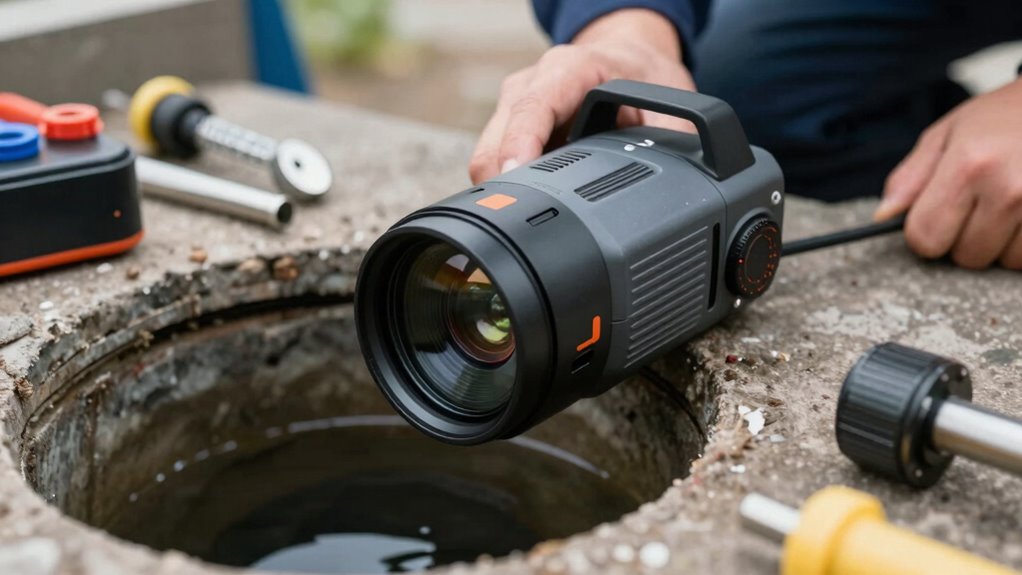
A sewer camera, often called a plumbing inspection camera, is a specialized tool that helps you see inside your pipes. This innovative sewer technology uses a flexible cable with a high-resolution camera attached to it, allowing you to inspect the interior of your plumbing system in real-time. As you maneuver the camera through the pipes, it transmits video footage to a monitor, revealing blockages, cracks, or other issues.
Using various inspection techniques, you can identify problems that might not be visible otherwise. This method is non-invasive, saving you time and money by pinpointing issues without needing to dig up your yard. By understanding how a sewer camera works, you can make informed decisions about your plumbing maintenance and repairs.
When to Consider a Sewer Camera Inspection?
If you notice slow drains, foul odors, or frequent backups, it’s time to contemplate a sewer camera inspection. Catching these issues early can save you from costly repairs down the line. Let’s explore the signs that indicate you need an inspection and the benefits of addressing problems promptly.
Signs You Need Inspection
Ever wondered when it’s time to call for a sewer camera inspection? If you notice any of these signs, it’s wise to act quickly.
| Signs | What It Could Mean |
|---|---|
| Clogged drains | Potential sewer blockages |
| Unusual odors | Possible pipe corrosion |
| Slow drainage | Tree roots invading pipes |
| Frequent backups | Serious sewer issues |
Water pooling in your yard or around your home can also be a red flag. Ignoring these symptoms can lead to larger problems down the line. A sewer camera inspection helps pinpoint the exact issue, saving you time and money. Don’t wait until it’s too late—if you spot any of these signs, consider a professional inspection.
Benefits of Early Detection
Ignoring signs of sewer issues can lead to costly repairs and extensive damage. That’s why considering a sewer camera inspection for early detection is essential. By identifying problems early, you can take advantage of early detection advantages that save you time and money. A camera inspection can reveal blockages, leaks, or root intrusions before they escalate into major issues.
Proactive maintenance not only helps maintain your system’s efficiency but also extends its lifespan. If you notice slow drains or unpleasant odors, don’t wait until it’s too late. Scheduling an inspection can provide peace of mind, ensuring that your plumbing system remains in good condition. Investing in early detection now can prevent significant headaches down the line.
Common Problems Identified by Sewer Cameras
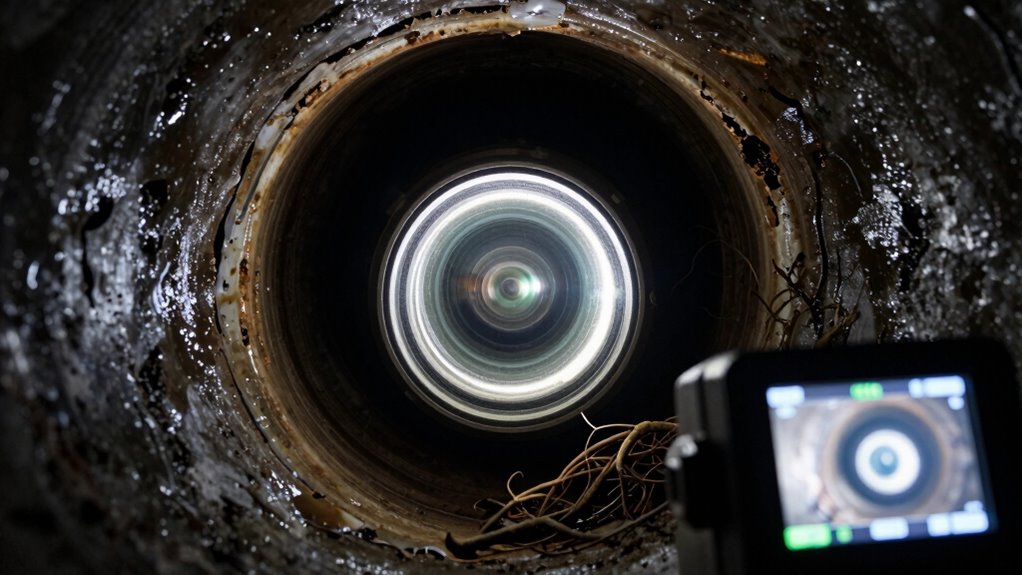
While you might not think about it often, sewer cameras play an essential role in identifying common plumbing issues. You can spot pipe blockages caused by grease buildup or foreign objects easily. Root intrusions and collapsed pipes can also be detected, helping you avoid costly repairs down the line. Furthermore, sewer cameras reveal pipe corrosion and joint misalignment, which might lead to sewer leaks. Water pooling is another critical sign that something’s wrong, often indicating line offsets or blockages. By utilizing sewer cameras, you gain a clearer picture of your plumbing system’s health, allowing you to address these problems before they escalate. Keeping an eye on these issues can save you both time and money in the long run.
Limitations of Sewer Cameras

While sewer cameras are invaluable tools, they do have limitations you’ll want to contemplate. You might struggle with depth visualization, as the camera can’t always indicate how deep an issue lies. Additionally, evaluating material composition and structural integrity can be tricky, leading to potential oversights.
Depth Visualization Challenges
Even though sewer cameras provide valuable insights, they face significant challenges when it comes to depth visualization. One major issue is depth perception; these cameras often struggle to accurately gauge how deep a problem lies within the pipes. Imaging limitations can obscure your understanding of the true layout, making it difficult to determine whether issues are surface-level or buried deeper. You might think you’ve located a blockage, but without accurate depth data, you could end up digging in the wrong spot. This makes it essential to combine camera findings with other diagnostic methods to get a clearer picture. Relying solely on visual data from sewer cameras can lead to costly mistakes and unnecessary excavation.
Material Composition Limitations
Sewer cameras excel at visual inspection, but they face significant limitations when it comes to material composition. Different material types can hinder the camera’s ability to provide clear images, making diagnosis difficult. Here are some key limitations to evaluate:
- Opaque Materials: Certain pipe materials, like concrete or clay, can obstruct visibility, limiting your inspection materials’ effectiveness.
- Corrosion and Debris: Build-up and corrosion can obscure the camera lens, preventing accurate assessment of the pipe’s condition.
- Reflections and Glare: Some materials can cause reflections that distort the camera’s view, complicating the identification of issues.
Understanding these limitations helps you make informed decisions and manage expectations during your sewer inspections.
Structural Integrity Assessment Issues
Although sewer cameras provide valuable visuals, they can struggle with accurately evaluating structural integrity. While they can reveal visible issues like cracks or blockages, they often miss subtle signs of pipe deterioration. This limitation can lead to unreliable inspections, leaving you uncertain about any underlying structural concerns. You might see a clear image of the pipe’s interior, but that doesn’t guarantee the exterior is sound. Additionally, a sewer camera can’t assess the soil conditions or the pipeline’s support, which are essential for understanding the overall health of your system. Without a thorough evaluation, you could face unexpected repair urgency later on. Always consider supplementing camera inspections with other diagnostic techniques for a complete picture.
How to Prepare for a Sewer Camera Inspection

Before scheduling a sewer camera inspection, it’s crucial to take a few preparatory steps to assure everything runs smoothly. Proper inspection preparation not only saves time but guarantees you meet the equipment requirements for a successful assessment. Here are three key steps to reflect upon:
- Clear the Area: Remove any obstacles around the sewer access point to allow easy access for the technician.
- Gather Information: Have details ready about your plumbing system, including previous issues or repairs.
- Notify Neighbors: Inform nearby residents about the inspection, as it may cause temporary disruptions.
Understanding Your Sewer Camera Footage
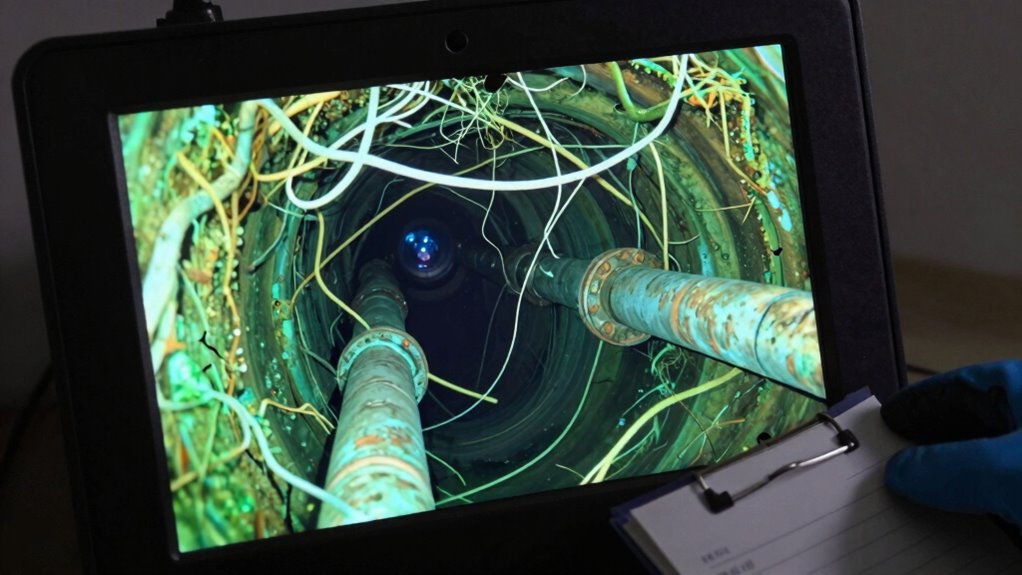
What can you expect to see when reviewing your sewer camera footage? You’ll encounter a range of visuals that can help you understand the condition of your sewer system. Through effective footage interpretation, you can spot issues like cracks, blockages, or roots invading your pipes. Pay attention to the clarity of the images; murky footage might indicate buildup or other problems. During your sewer pipe analysis, look for signs of deterioration, such as rust or excessive wear. Each frame can reveal critical insights about your sewer’s health, guiding your next steps. Remember, while this footage provides valuable information, some issues may still require expert evaluation before deciding on repairs or maintenance.
Cost of Sewer Camera Services
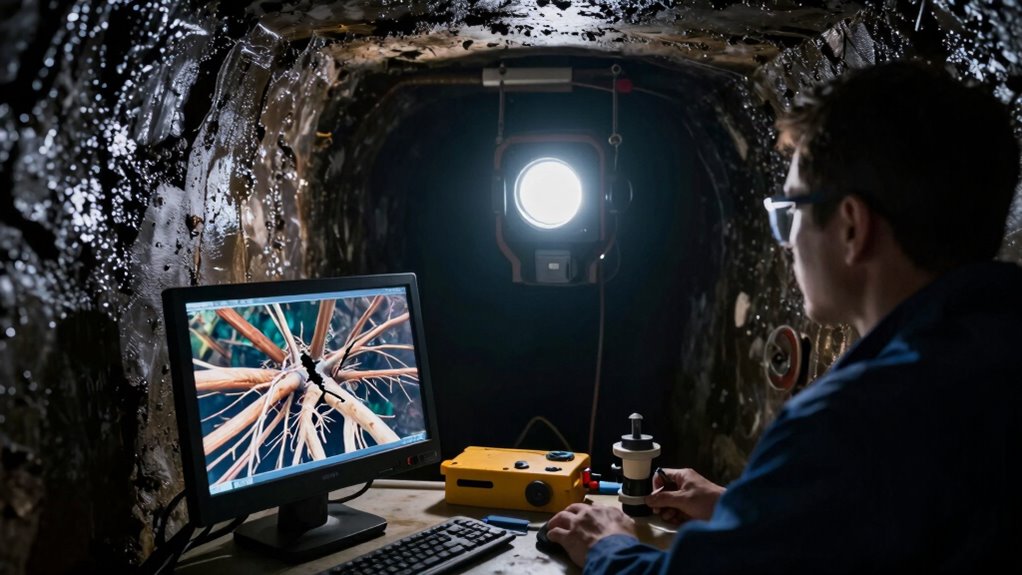
When you’re considering sewer camera services, you’ll find that costs can vary based on several factors. Understanding these cost factors can help you budget more effectively. Here are three key elements that influence service pricing:
- Location: Rates may differ based on your geographic area and local market conditions.
- Service Provider: Different companies have varying pricing structures, so it pays to shop around.
- Job Complexity: More complicated inspections may require additional equipment or time, increasing the overall cost.
Should You Rent a Sewer Camera or Hire a Pro?
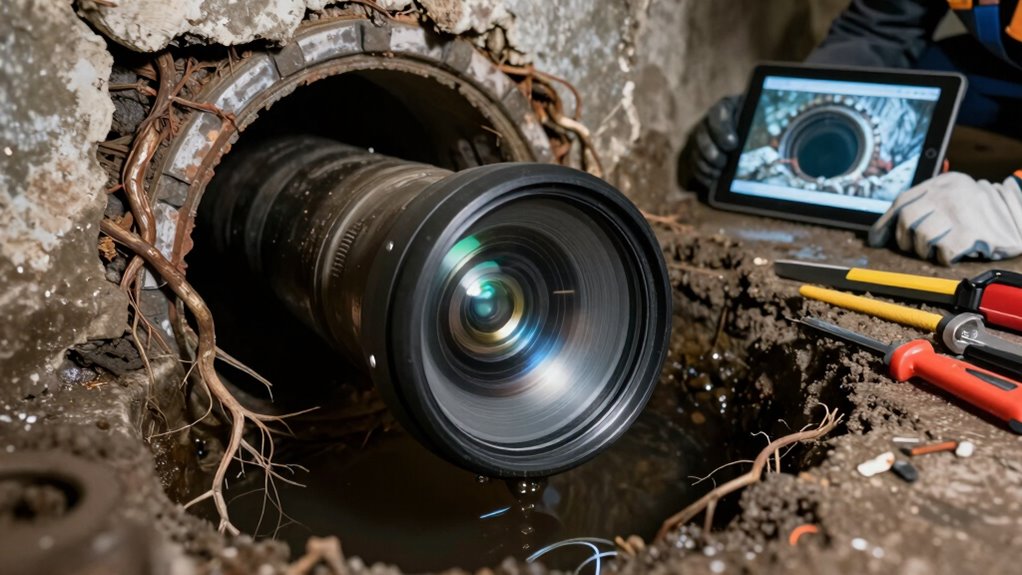
Deciding whether to rent a sewer camera or hire a professional can be tricky. Each option has its pros and cons, and it often depends on your specific situation.
| Camera Rental | Professional Services | Considerations |
|---|---|---|
| Cost-effective | Expertise | Experience level |
| DIY approach | Time-saving | Urgency of the issue |
| Limited technical support | Detailed reports | Access to advanced tools |
If you’re tech-savvy and have some plumbing knowledge, a camera rental might be a good fit. However, if you’re facing a complex issue or need a thorough diagnosis, professional services can save you time and provide peace of mind. Weigh your options carefully!
Sewer Line Maintenance Tips
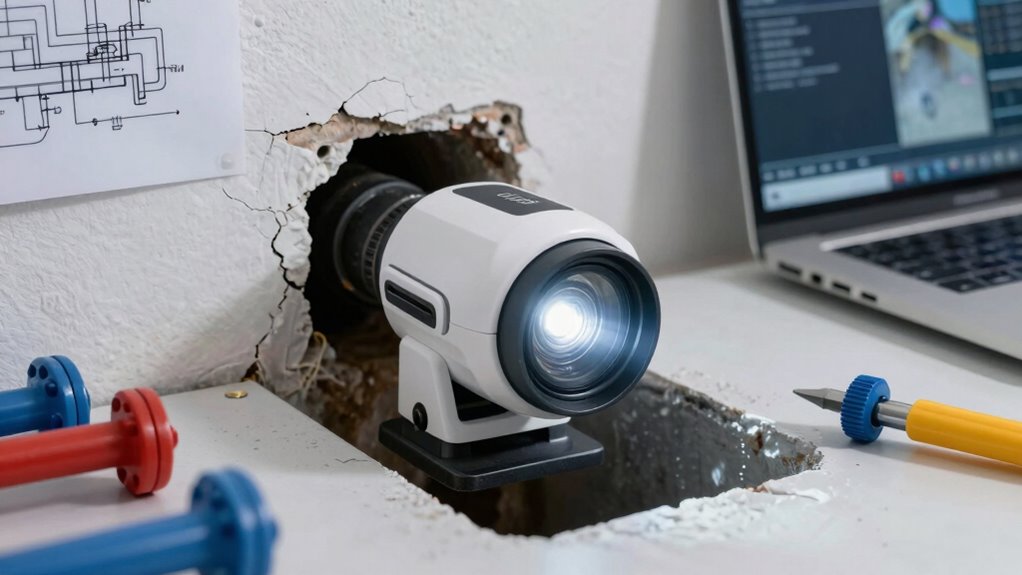
Sewer Line Maintenance Tips
To keep your sewer line in good shape, regular maintenance is essential. By following some simple tips, you can prevent costly issues down the line. Here are three key practices to reflect upon:
- Schedule routine inspections: Aim for a professional check-up every 1-2 years to catch problems early. Regular inspections can help identify solar-powered solutions that might assist in monitoring sewer conditions remotely. Additionally, consider integrating standby generator systems to ensure your home remains functional during outages while addressing sewer line issues. This proactive approach can also help you reduce energy consumption during maintenance. Implementing safety standards for power equipment can also enhance the overall reliability of your maintenance practices.
- Avoid flushing inappropriate items: Dispose of wipes, grease, and other non-biodegradable materials properly to maintain flow.
- Evaluate drainage solutions: Invest in enzymatic cleaners and root barriers to enhance your sewer line’s efficiency. Additionally, be mindful of microplastics in dust, as they can contribute to indoor pollution and may affect overall health.
When Digging Becomes Necessary After Inspection
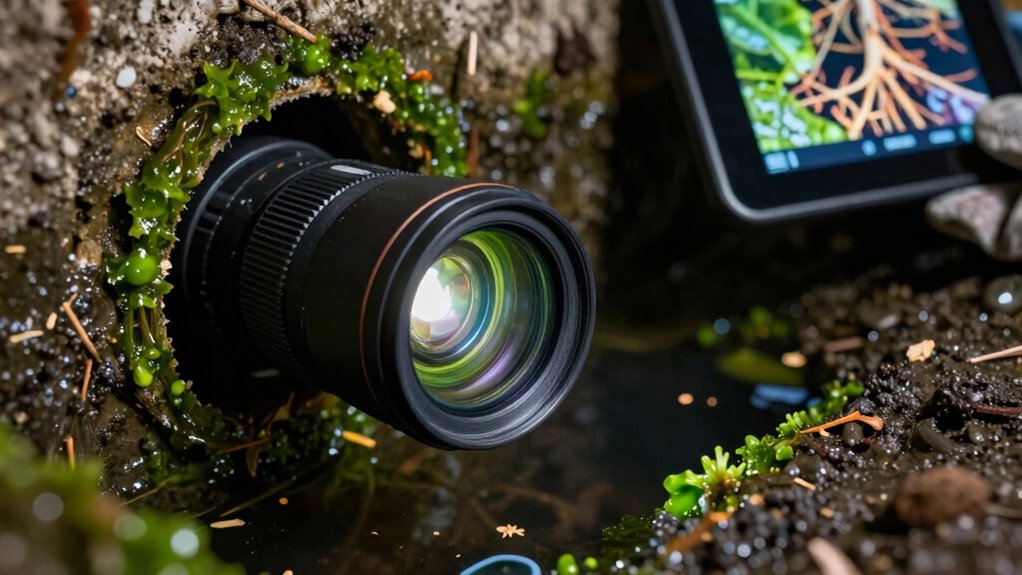
After inspecting your sewer line, you might uncover issues like blockages or cracks that require digging. It’s crucial to plan your excavation carefully to address these problems effectively while minimizing risks of damage to your property. Knowing the common issues revealed can help you make informed decisions about the next steps.
Common Issues Revealed
When you inspect your sewer line with a camera, you might uncover issues that require digging to resolve. It’s essential to understand the common problems that can lead to excavation. Here are a few you might encounter:
- Blockage Identification: Severe blockages may need physical removal to restore flow.
- Root Intrusion: Tree roots can infiltrate pipes, causing damage and blockages that require access.
- Pipe Damage: Cracks or breaks can lead to leaks, necessitating repairs that can only be done by digging.
If you spot any of these issues during your inspection, it’s a clear sign that digging might be your next step. Addressing these problems promptly can save you from more extensive damage and costly repairs down the line.
Planning Your Excavation
While you might feel overwhelmed by the need for excavation after discovering issues in your sewer line, careful planning can make the process smoother. Start with thorough excavation planning; outline the specific areas that need attention based on your sewer camera findings. Additionally, using acoustic drum shields can help to manage noise levels during the excavation. It’s also crucial to consider HEPA filters to maintain air quality and reduce dust during the digging process. Next, conduct a detailed site assessment to identify any obstacles, like trees or utility lines, that could complicate the digging. This will help you choose the right equipment and minimize disruptions. Additionally, consider the best time for excavation to avoid weather-related delays. By taking these steps, you’ll set a clear path forward, making the excavation process more efficient and less stressful. Remember, a bit of preparation goes a long way in ensuring success. Incorporating filtration/suction basics can also help in maintaining a clean worksite during the excavation process.
Minimizing Damage Risks
Sure! Here’s the revised content with the requested changes:
—
Careful excavation planning sets the stage for minimizing damage risks during your digging project. By implementing effective damage prevention strategies, you can protect surrounding structures and utilities. Here are some excavation safety tips to keep in mind:
- Locate Utilities: Always call to mark underground lines before you dig. Additionally, understanding the importance of home security systems can help protect your property during the excavation process. Investing in smart storage solutions can also keep your tools organized and accessible.
- Use Proper Equipment: Make sure you’re using the right tools to reduce the risk of accidental damage. Additionally, maintaining smart home security can help safeguard your equipment from potential theft or damage during the excavation process.
- Communicate with Your Team: Keep everyone informed about the excavation plan and any potential hazards. Additionally, understanding the importance of fuel injection cleaning can help ensure your equipment runs smoothly during the excavation process. Clear communication is essential for coordinating tasks and ensuring safety on-site.
Frequently Asked Questions
Can Sewer Cameras Detect Tree Root Intrusions?
Yes, sewer cameras can detect tree root intrusions. When you use a camera, it helps you identify different tree root types and see how they’re invading your pipes. The camera provides a clear view of any blockages or damage caused by roots, allowing you to effectively plan for repairs. With this intrusion detection, you can tackle the problem before it leads to more significant issues, saving you time and money in the long run.
Are Sewer Cameras Safe for Regular Home Inspections?
Sewer cameras are generally safe for regular home inspections—about 85% of homeowners find them beneficial. These specialized tools allow you to inspect pipes without invasive digging, reducing potential damage. However, it’s essential to hire professionals trained in sewer camera safety to avoid mishaps. They’ll guarantee the equipment is used correctly, giving you a thorough assessment of your plumbing system. Regular inspections can help you catch problems before they escalate, saving you time and money.
How Long Does a Sewer Camera Inspection Take?
A sewer camera inspection usually takes around 1 to 2 hours, depending on the inspection duration and the complexity of your plumbing system. The camera efficiency plays a big role, as it quickly identifies issues without digging. You’ll get a detailed view of any blockages or damage, allowing you to make informed decisions about repairs. So, you can expect a thorough inspection in a relatively short time frame.
What Are the Best Practices for Sewer Camera Maintenance?
To keep your sewer camera in prime condition, prioritize regular camera cleaning after each use. Inspect the lens for debris and wipe it down carefully. Also, maintain an inspection frequency of at least once every few months, depending on usage. This guarantees you catch any potential issues early and keeps your camera functioning at its best. Taking these steps will enhance the lifespan and reliability of your sewer camera during inspections.
Can Sewer Cameras Identify Pipe Material Types?
Yes, sewer cameras can help identify pipe material types. In fact, about 70% of plumbing issues trace back to pipe composition. Using advanced imaging technology, these cameras highlight differences in material, like PVC, cast iron, or clay. You’ll get a clearer picture of your system’s condition, aiding in maintenance decisions. So, when you inspect your pipes, you’re not just looking for blockages; you’re also uncovering valuable information about their composition.
Conclusion
In the world of plumbing, a sewer camera inspection is like shining a flashlight into a dark room—you get to see what’s lurking beneath the surface. While these inspections can reveal a lot, remember they have their limits. Knowing when to dig and when to simply maintain is key to keeping your sewer lines in top shape. So, whether you’re tackling a small issue or planning for the future, stay informed and proactive to avoid costly surprises.
Halloween Picks
halloween
As an affiliate, we earn on qualifying purchases.