
TL;DR

Get home appliances delivered free with Prime
- Fast, free delivery on millions of items
- Prime Video, Amazon Music and more included
- Member-only deals all year
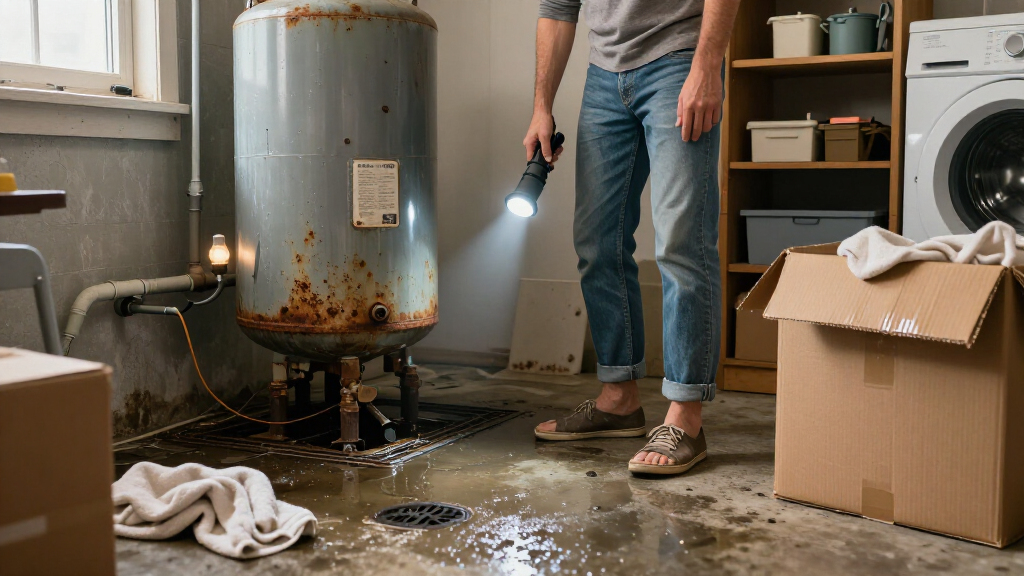
A Minnesota homeowner found his 21-year-old water heater had rusted through and flooded much of the floor near it. When the supply valve failed to stop the flow, he shut off the house’s main water; plumbers said he should also have cut power or gas before handling the heater.
A 21-year-old water heater rusted through and flooded the floor around it in a Minnesota home, according to a Family Handyman report. When the homeowner’s supply valve failed to stop water from entering the tank, he shut off the house’s main supply; plumbers later said he had also missed a key safety step by not first cutting power or gas to the heater.
The homeowner, identified as Ethan, discovered the leak after filling a bathtub for his young daughter and finding that the water was not hot. He opened the utility closet and found water covering most of the floor. He recognized that the tank had rusted out and that it needed replacement.
Ethan first closed the water heater’s supply valve and attached a hose to the drain at the bottom of the tank. When water was still draining after he returned from a trip to a home improvement store, he concluded the valve was not closing. He then shut off the home’s main water supply. A plumber interviewed by Family Handyman said that was the right response once the supply valve failed, because delaying could allow more water to escape.
Ethan installed a replacement heater the next morning. Moving the old unit was difficult: it weighed more than 120 pounds, and water leaked as he and his father-in-law carried it upstairs. The report does not give a date for the incident or specify the total damage to the home.
A Leak Can Outrun the Shutoff
The incident shows how a failed appliance and a second faulty valve can turn a repair into a flooding problem. Ethan’s initial shutoff did not isolate the water because the valve would not seal. Plumber Brendan Tonks told Family Handyman that the main shutoff was the necessary next step in that situation and said a delay of even 10 minutes could mean hundreds of gallons on the floor.
The report does not say how much water escaped or whether the home suffered lasting damage. It does cite the broader financial exposure: Family Handyman estimates that a full heater replacement can cost about $700 for a DIY job or $1,500 to $3,500 through a professional. Water damage and mold remediation after an unchecked leak can cost thousands to tens of thousands of dollars, the report says.
There is also a safety concern. The plumbers interviewed said the gas or electricity should be shut off before work begins. Water heaters combine water with electrical or fuel connections, and the report warns that a tank left heating while empty can create serious hazards. For gas, electrical, or plumbing work beyond a homeowner’s skills, use a licensed professional and follow applicable safety and permit requirements.
Age and Corrosion Set the Stage
Family Handyman’s plumbing experts said gas and propane water heaters typically last about 10 to 15 years before corrosion becomes a problem. Ethan’s tank was 21 years old. The experts were not surprised it had failed. They also said cold climates can make heaters work harder; Ethan lives in Minnesota, though the report does not establish that the climate caused this particular failure.
The supply valve problem added a separate complication. Plumber Travis Hargrave said older water heater valves commonly fail to seal because of rotted gaskets or buildup in the line, and that this issue is common on heaters more than 10 years old. The report also notes that Ethan’s 1940s bungalow may have an older gate-style main shutoff. Plumber Kolby Barnes said such valves can be vulnerable to buildup that stops them from closing fully.
The article describes possible preventive measures, including replacing an internal anode rod every few years to help limit corrosion. It gives an estimated cost of $20 to $50 for a DIY replacement, or $150 to $600 for a professional. The report does not say whether Ethan had replaced the rod or inspected the heater before it failed.
““If there’s a silver lining here, it’s that we were home when this happened.””
— Ethan, the homeowner
Damage and Repair Details Unreported
The report does not identify when the failure happened, how much water escaped, whether the basement needed remediation, or the final cost of repairs. It also does not say whether Ethan’s new heater was gas or electric, what model he installed, or whether a professional inspected the connections afterward. The plumbers offered likely explanations for the valve failure and the tank’s corrosion, but the article does not describe a technical inspection confirming the precise causes.
It is also unclear whether the home’s main shutoff worked fully or whether any water continued entering after Ethan closed it. The report says he shut off the main supply and proceeded with the replacement, but gives no further account of the valve’s condition.
Inspect Aging Heaters and Valves
Family Handyman’s report does not announce a scheduled follow-up or say what Ethan plans to do next. For homeowners with older equipment, the practical next step is to check the heater’s age and have a plumber inspect the tank, shutoff valves and anode rod. A leak sensor with an automatic shutoff may also reduce the time water flows before someone notices.
If a heater is leaking, shut off the home’s main water if its local supply valve will not stop the flow. Before touching the unit or its connections, turn off the electricity at the appropriate breaker or shut off the gas using the proper procedure. Homeowners who are uncertain about the fuel, wiring, plumbing or safe isolation should contact a licensed plumber or other qualified professional.
Key Questions
What caused the basement flooding?
The report says Ethan’s 21-year-old water heater tank had rusted through. It does not provide an inspection report identifying the precise cause of the corrosion.
Why did water keep draining after Ethan shut the heater’s supply valve?
Ethan concluded the valve was not closing because water continued to drain into the tank. Plumbers cited worn gaskets or buildup as common reasons older valves fail to seal.
What should someone do if the heater’s shutoff valve fails?
Plumber Brendan Tonks said to shut off the home’s main water supply. Turn off the heater’s power or gas before handling it, and call a licensed professional if you are unsure how to isolate it safely.
How much can replacing a water heater cost?
Family Handyman estimates about $700 for a DIY replacement and $1,500 to $3,500 for a professional installation. Those figures are estimates in the report, not a quote for Ethan’s repair.
Source: rss
Fall Picks
fall essentials
As an affiliate, we earn on qualifying purchases.