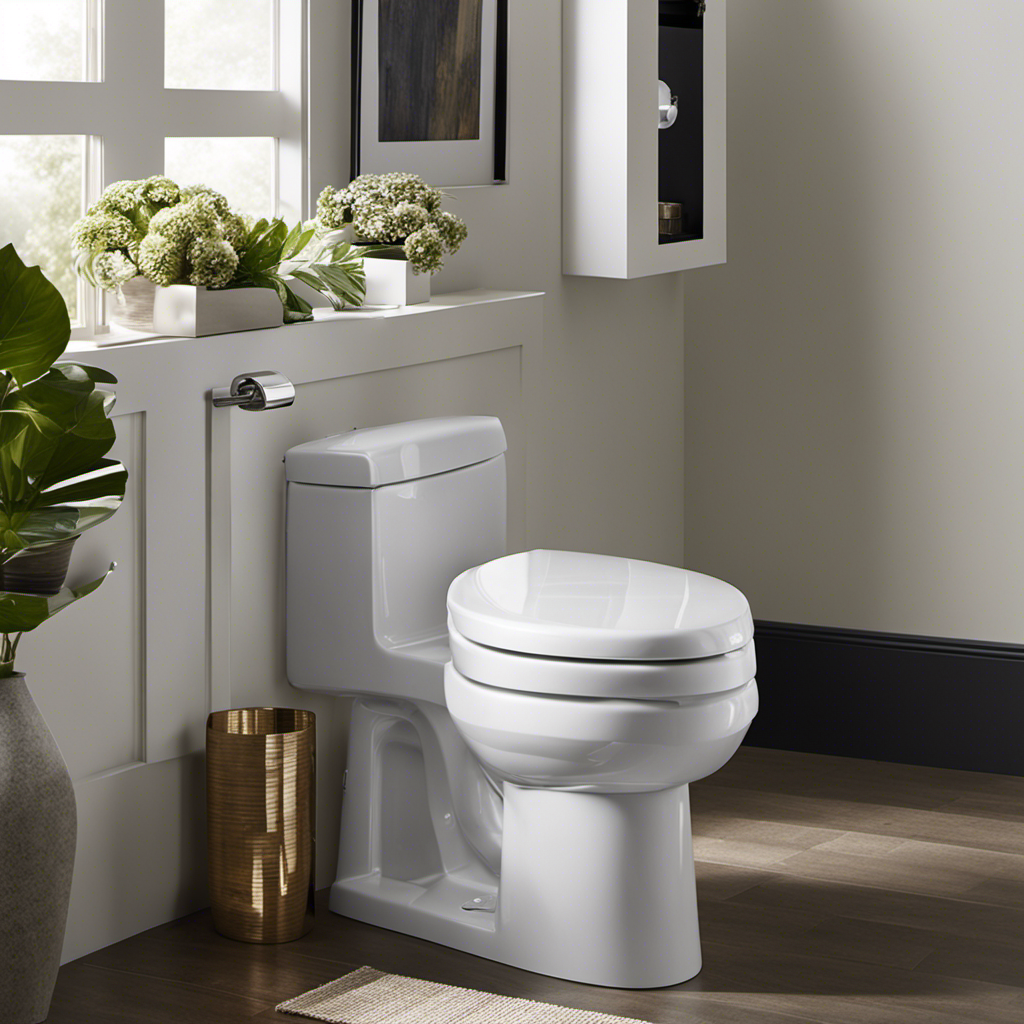
For most tiny houses, I’d start with the OGO Origin: its urine-diverting design saves water and separates waste without relying on a flush system. The Separett Villa is a strong fit for a more permanent off-grid installation, while the DeerValley compact dual-flush models suit homes with reliable plumbing. The main choice is between waterless systems that need waste handling, dry-flush units that use proprietary bags, and conventional toilets that require water, drainage, and a suitable rough-in. Footprint, ventilation, power, and how often you can empty the toilet all affect whether a model works in a tiny home. Read on for how I rank the 12 options and which tradeoffs matter most.

Get home appliances delivered free with Prime
- Fast, free delivery on millions of items
- Prime Video, Amazon Music and more included
- Member-only deals all year
Complete the kit


![[Genuine] Waterdrop PF-01A Water Filter Replacement for W...](https://m.media-amazon.com/images/I/41+5tl9EiKL._SX342_SY445_QL70_FMwebp_.jpg)
Key Takeaways
- The OGO Origin leads for flexible off-grid use: urine separation reduces the amount of solid waste to manage, though it still needs routine emptying and a suitable setup.
- The Separett Villa and Cuddy favor fixed installations: both are designed around ventilation, so they suit owners who can plan power and vent routing.
- Dry-flush toilets trade plumbing for consumables: the LE-310, R1808, and Laveo avoid water connections but depend on compatible bags and a steady supply.
- Compact conventional toilets make sense when plumbing is already planned: DeerValley’s compact models use dual flush, while the small round-front toilet prioritizes footprint over a more residential feel.
- Portable options solve different problems: the TROBOLO WandaGO suits flexible placement, while the SEAFLO is an RV-style gravity-flush choice that still needs a water and waste connection.
| OGO Origin Urine-Diverting Composting Toilet |  | Best Overall for Tiny Homes | Footprint: 15 × 16 in | Agitator: 12V electric, push-button | Urine bottle capacity: 2.4 gal | VIEW ON AMAZON | See Our Full Breakdown |
| LE-310 Compact Dry Flush Toilet for Van Life and Off-Grid Use, Gray |  | Best for Portable Dry Flush Use | Model: LE-310 | Type: Electric dry-flush toilet | Dimensions: 17 × 16 × 11 in | VIEW ON AMAZON | See Our Full Breakdown |
| R1808 Fixed RV Dry Flush Toilet, Waterless Rechargeable, White |  | Best for Flexible Installation | Weight capacity: 330 lb | Swivel angle: 180° | Battery capacity: 55.5 Wh | VIEW ON AMAZON | See Our Full Breakdown |
| DeerValley Compact One Piece Toilet Standard Seat Height for Small Bathroom Dual Flush 1.1/1.6 GPF Powerful and Quiet 12” Rough-In Skirted Toilet |  | Best for a Plumbed Tiny-House Bathroom | Dimensions: 24½ × 13⅜ × 28⅜ in | Rough-in: 12 in | Flush system: Dual flush, 1.1/1.6 GPF | VIEW ON AMAZON | See Our Full Breakdown |
| DeerValley Compact One-Piece Toilet with Dual Flush |  | Best Compact Conventional Toilet | Dimensions: 24.5 × 13.375 × 28.375 in | Flush system: Dual flush, 1.1/1.6 GPF | Rough-in: 12 in | VIEW ON AMAZON | See Our Full Breakdown |
| Laveo Dry Flush Waterless Portable Toilet |  | Best for Familiar, Waterless Use | Brand: Laveo | Model: DF1045A | Type: Waterless, portable, self-contained toilet | VIEW ON AMAZON | See Our Full Breakdown |
| Separett Villa Urine-Separating Composting Toilet |  | Best for Longer Off-Grid Stays | Brand: Separett | Model number: 1255-01 | Manufacturer part number: 1123-01 | VIEW ON AMAZON | See Our Full Breakdown |
| SEAFLO RV Toilet with Foot Pedal Gravity Flush and Soft-Close Seat |  | Best Conventional RV-Plumbing Pick | Model: SFRTPH-01-01 | Dimensions: 17.8 x 15.3 x 18.4 inches | Seat height: 18.4 inches | VIEW ON AMAZON | See Our Full Breakdown |
| Compact 15-Inch Round Front Two-Piece Toilet with Side Flush |  | Best Compact Conventional Toilet | Bowl shape and size: Round front, 15 inches | Construction: Two-piece | Material and color: Ceramic, white | VIEW ON AMAZON | See Our Full Breakdown |
| Casta Diva Elongated One-Piece Toilet with 17.5-Inch Comfort Height |  | Best Comfort Upgrade | Dimensions: 25.39 x 14.56 x 26.57 inches (depth x width x height) | Seat height: 17.5 inches | Flush system: Dual flush | VIEW ON AMAZON | See Our Full Breakdown |
| Cuddy Waterless Composting Toilet with 12V Fan and Carbon Filter |  | Best for Built-In Odor Control | Capacity: 3.9 gallons | Power: 12V; can operate without electricity | Odor control: Built-in fan and filter | VIEW ON AMAZON | See Our Full Breakdown |
| TROBOLO WandaGO Portable Composting Toilet |  | Best Portable Pick | Dimensions: 12.3 in H × 15.0 in D × 13.4 in W | Weight: 10.4 lbs | Seat heights: 12.0 in or 17.2 in | VIEW ON AMAZON | See Our Full Breakdown |
| toilet for tiny house | Dimensions |
|---|---|
| OGO Origin Urine-Diverting Com | — |
| LE-310 Compact Dry Flush Toile | 17 × 16 × 11 in |
| R1808 Fixed RV Dry Flush Toile | — |
| DeerValley Compact One Piece T | 24½ × 13⅜ × 28⅜ in |
| DeerValley Compact One-Piece T | 24.5 × 13.375 × 28.375 in |
| Laveo Dry Flush Waterless Port | — |
| Separett Villa Urine-Separatin | — |
| SEAFLO RV Toilet with Foot Ped | 17.8 x 15.3 x 18.4 inches |
| Compact 15-Inch Round Front Tw | — |
| Casta Diva Elongated One-Piece | 25.39 x 14.56 x 26.57 inches (depth x width x height) |
| Cuddy Waterless Composting Toi | — |
| TROBOLO WandaGO Portable Compo | 12.3 in H × 15.0 in D × 13.4 in W |
More Details on Our Top Picks
OGO Origin Urine-Diverting Composting Toilet
The OGO Origin is my strongest fit for a tiny house with a dedicated toilet nook and a 12V power supply. Its 15 × 16-inch footprint is smaller than the LE-310, while urine diversion and a quiet fan support a more settled installation than a portable bag-sealing unit. A push-button agitator handles mixing, so routine use avoids manual cranking. The tradeoff is capacity: the solids bin is rated for about 25–30 uses, which can mean frequent emptying in a busy household. It also depends on 12V power. Compared with the Cuddy Waterless Composting Toilet, the OGO’s appeal is its small footprint and electric agitator; buyers should check the Cuddy’s listed fan and carbon filter against their ventilation priorities.
Pros:- Compact 15 × 16-inch footprint suits a tight toilet nook
- Push-button 12V agitator avoids manual mixing
- Urine diversion separates liquid waste from solids
- Quiet fan provides ventilation
Cons:- Requires 12V power for the agitator
- Solids bin holds about 25–30 uses before emptying
Best for: Tiny-house owners with 12V power who want a compact, installed composting toilet and can empty the solids bin regularly
Not ideal for: Households without reliable 12V power or with several daily users who need a longer interval between solids-bin emptying
- Footprint:15 × 16 in
- Agitator:12V electric, push-button
- Urine bottle capacity:2.4 gal
- Solids capacity:25–30 uses
- Material:Polypropylene
- Ventilation:Quiet fan
Our verdict“Choose the OGO Origin for a compact, powered composting setup if regular solids-bin emptying fits your household routine.”
LE-310 Compact Dry Flush Toilet for Van Life and Off-Grid Use, Gray
The LE-310 suits tiny-house owners who want a portable, waterless toilet that seals waste with a button press. At 17 pounds, it can be moved when a room needs another use, unlike a fixed installation such as the OGO Origin. Its rechargeable battery is listed for 70–100 uses per charge, and the included coagulant pouches help contain liquid waste in the bags. That convenience comes with an ongoing dependence on bags and coagulant, plus recharging after a finite number of uses. The R1808 Fixed RV Dry Flush Toilet also seals waste and offers fixed or freestanding installation; the LE-310’s listed advantage is its included supplies and compact stated dimensions. Buyers who want composting and urine separation should look instead at the OGO.
Pros:- One-button bag sealing contains waste without flushing water
- Rechargeable battery is listed for about 70–100 uses per charge
- 17-pound weight supports moving the unit as needed
- Includes waste bags and coagulant pouches
Cons:- Requires waste bags and coagulant for continued use
- Battery needs recharging after a finite number of uses
Best for: Tiny-house residents who need a movable, waterless toilet and are comfortable keeping waste bags and coagulant stocked
Not ideal for: Buyers seeking a composting system, a permanent plumbing-style fixture, or operation without recurring consumables
- Model:LE-310
- Type:Electric dry-flush toilet
- Dimensions:17 × 16 × 11 in
- Weight:17 lb
- Weight capacity:330 lb
- Battery capacity:5200 mAh
- Uses per charge:About 70–100
- Included supplies:2 rolls of waste bags (30 uses per roll) and 60 coagulant pouches
Our verdict“Pick the LE-310 if portability and one-button waste sealing matter more than composting or avoiding consumables.”
R1808 Fixed RV Dry Flush Toilet, Waterless Rechargeable, White
The R1808 stands out when a tiny-house layout calls for a toilet that can be fixed in place or used freestanding. Its 180° swivel can help adapt the seat position to a confined room, a feature the LE-310’s listed specifications do not include. One-touch heat sealing and waterproof refill bags keep the system waterless, but buyers need to source the proprietary bags separately. The rechargeable battery is rated for up to 100 sealing cycles; that finite capacity may call for planning around charging, especially in an off-grid home. Compared with the OGO Origin, this model avoids a composting solids bin and urine bottle, but it replaces those routines with sealed-bag disposal. It fits buyers who value installation flexibility over composting.
Pros:- Can be installed fixed or used freestanding
- 180° swivel offers positioning flexibility in a tight layout
- One-touch sealing keeps waste in refill bags
- Rechargeable battery supports up to 100 sealing cycles per charge
Cons:- Requires separately purchased proprietary refill bags
- Needs recharging after up to 100 sealing cycles
Best for: Tiny-house builders who need a swiveling toilet with fixed or freestanding installation and have a plan for refill-bag disposal
Not ideal for: Buyers who want composting, do not want proprietary refill bags, or need a system with no battery charging routine
- Weight capacity:330 lb
- Swivel angle:180°
- Battery capacity:55.5 Wh
- Sealing cycles per charge:Up to 100
- Power input:9–30 V DC
- Odor control:Waterproof refill bags
- Installation options:Fixed or freestanding
Our verdict“Choose the R1808 when swivel positioning and flexible installation solve a specific tiny-house layout constraint.”
DeerValley Compact One Piece Toilet Standard Seat Height for Small Bathroom Dual Flush 1.1/1.6 GPF Powerful and Quiet 12” Rough-In Skirted Toilet
This DeerValley makes sense only for a tiny house with a water supply and conventional waste plumbing. Its 24½-inch length and 13⅜-inch width give a small bathroom a compact fixture, while the dual flush lets users choose between 1.1 and 1.6 GPF. That makes it a very different fit from the waterless OGO Origin or LE-310: it behaves like a standard household toilet, but depends on the infrastructure those options avoid. The skirted one-piece form has fewer hard-to-reach exterior crevices, and the included installation kit may simplify setup. Its stated weight capacity is 250 pounds, lower than the 330-pound ratings listed for the LE-310 and R1808. I would check that limit and the 12-inch rough-in against the planned bathroom before choosing it.
Pros:- Compact 24½ × 13⅜-inch dimensions suit small bathrooms
- Dual flush offers 1.1 or 1.6 GPF options
- Skirted one-piece exterior has fewer crevices to clean
- Includes an installation kit and soft-close seat
Cons:- Requires conventional water and waste plumbing
- Stated weight capacity is 250 pounds
Best for: Tiny-house owners with standard water and waste connections who want a compact, dual-flush bathroom fixture
Not ideal for: Off-grid builders without flush-water and waste plumbing, or buyers who need a stated capacity above 250 pounds
- Dimensions:24½ × 13⅜ × 28⅜ in
- Rough-in:12 in
- Flush system:Dual flush, 1.1/1.6 GPF
- Bowl shape:Round
- Design:One-piece, skirted
- Seat:Soft-close PP, 28 dB
- Weight capacity:Up to 250 lb
- Warranty:12 months
Our verdict“Pick this DeerValley when your tiny house has standard plumbing and you want a compact dual-flush toilet.”
DeerValley Compact One-Piece Toilet with Dual Flush
This second DeerValley is a compact conventional fixture for a tiny house that already has flush-water and waste plumbing. Its round bowl and 24.5-inch length can suit a tight bathroom, while the skirted one-piece shape cuts down on exterior crevices compared with a more segmented toilet. The 1.1/1.6 GPF dual flush gives users two water-use settings, but this remains a plumbed toilet rather than an off-grid alternative like the OGO Origin. The listed dimensions, rough-in, seat, and 250-pound capacity match the other DeerValley model in this batch, so the supplied information does not establish a meaningful performance advantage between them. Its 12-month warranty and stated capacity are limits to weigh against the waterless R1808 if plumbing is not a priority.
Pros:- Compact dimensions and round bowl fit a small bathroom
- Dual flush provides 1.1 and 1.6 GPF settings
- Skirted one-piece design eases exterior cleaning
- Includes a soft-close seat and installation kit
Cons:- Needs standard water and waste plumbing
- Warranty is listed for 12 months
- Stated weight capacity is up to 250 pounds
Best for: Tiny-house owners with a 12-inch rough-in who want a compact, skirted toilet with dual-flush options
Not ideal for: Off-grid users without standard plumbing or buyers who need a stated capacity above 250 pounds
- Dimensions:24.5 × 13.375 × 28.375 in
- Flush system:Dual flush, 1.1/1.6 GPF
- Rough-in:12 in
- Bowl shape:Round
- Design:One-piece, skirted
- Seat:Soft-close PP, 28 dB
- Weight capacity:Up to 250 lb
- Warranty:12 months
Our verdict“Choose this DeerValley for a compact, easy-clean bathroom fixture when your tiny house has conventional plumbing.”
Laveo Dry Flush Waterless Portable Toilet
The Laveo Dry Flush suits tiny homes where a familiar toilet experience matters but water and plumbing are limited. Its full-size seat and odor-containment design make it feel closer to a conventional toilet than a portable option such as the TROBOLO WandaGO. The tradeoff is a steady supply of cartridges: each handles up to 15 solids flushes, or up to 28 with the included pee powder, and used cartridges need to be removed and discarded. That routine may work well for a solo occupant or occasional use, but it can become inconvenient in a busy household. The included battery, charger, and two cartridges help get started. I would also check the warranty terms, since the description says two years while the product information lists one year for parts and electronics.
Pros:- Operates without water, bulking material, or chemical additives
- Full-size seat and height offer a familiar sitting position
- Odor-containment design helps manage waste between cartridge changes
- Includes a battery, charger, two cartridges, and pee powder
Cons:- Used cartridges must be removed and discarded
- Cartridge capacity may mean frequent changes in a multi-person home
- Warranty duration is inconsistent across the supplied product information
Best for: Tiny-house owners who want a full-size seat and waterless operation for light or occasional use
Not ideal for: Households with frequent daily use or limited access to cartridge disposal, since cartridges need regular replacement and removal
- Brand:Laveo
- Model:DF1045A
- Type:Waterless, portable, self-contained toilet
- Material:LDPE
- Cartridge capacity:Up to 15 solids flushes or 28 flushes with pee powder
- Included components:Battery, charger, cable, two cartridges, pee powder, and manual
- Warranty:Description states two years; product information lists one year on parts and electronics
Our verdict“Choose the Laveo if a familiar full-size seat matters more than avoiding cartridge handling.”
Separett Villa Urine-Separating Composting Toilet
For a tiny house used as a full-time home or remote cabin, the Separett Villa prioritizes capacity and fewer waste-handling interruptions. It separates urine and needs no additives, mixing, or plumbing, which makes it a better fit for longer off-grid stays than the Laveo Dry Flush, whose cartridge capacity sets a more frequent replacement cycle. That lower consumables burden comes with a different kind of setup: buyers need a suitable plan for separated waste and space for the toilet’s installation, details not specified in the supplied product information. It also lacks the conventional water flush of the SEAFLO RV Toilet, so it suits owners who are comfortable with a composting approach. I’d choose it for a dedicated off-grid bathroom where reducing water use and extending intervals between emptying matter most.
Pros:- Uses no water or plumbing connections
- Separates urine without requiring additives or mixing
- High-capacity design supports longer intervals between emptying
- Designed for homes, cabins, cottages, and converted buses
Cons:- Requires a plan for handling separated urine and composting waste
- Supplied product details do not specify dimensions or installation requirements
- Composting operation may be less familiar than a conventional RV flush toilet
Best for: Full-time tiny-house or cabin residents who want a waterless, urine-separating system with longer intervals between emptying
Not ideal for: Tiny-house owners who want a conventional flush toilet or need a clearly specified footprint and waste-handling setup before choosing
- Brand:Separett
- Model number:1255-01
- Manufacturer part number:1123-01
- Operation:Waterless, urine-separating
- Additives or mixing required:No
- Number of items:1
Our verdict“Pick the Separett Villa for a dedicated off-grid tiny-house bathroom where fewer emptying interruptions matter more than a conventional flush.”
SEAFLO RV Toilet with Foot Pedal Gravity Flush and Soft-Close Seat
The SEAFLO RV Toilet is the closest match here to a conventional toilet when the tiny house already has RV-style plumbing and water. Its foot-pedal gravity flush gives hands-free control, while the 18.4-inch seat and oversized bowl favor comfort over the space-saving round-front form of the Compact 15-Inch Toilet. That extra room may be welcome for daily use, but it comes with a specific fit requirement: a 9.5-inch rough-in and a separately purchased floor flange. Unlike the waterless Separett Villa, this model depends on a working water and waste system, so it is a poor match for an off-grid build without those connections. I’d put it on the shortlist when familiar flushing and an elevated seat outweigh water independence.
Pros:- 18.4-inch residential-height seat and oversized bowl
- Foot pedal controls the gravity flush without hand contact
- Soft-close seat and lid
- Four-year limited warranty
Cons:- Requires standard RV plumbing and a 9.5-inch rough-in
- Floor flange is sold separately
- Uses a larger bowl and footprint than compact round-front options
Best for: Tiny-house owners with standard RV plumbing who want an elevated seat and familiar gravity flushing
Not ideal for: Off-grid builders without water and RV waste connections, or owners whose floor layout cannot accommodate a 9.5-inch rough-in
- Model:SFRTPH-01-01
- Dimensions:17.8 x 15.3 x 18.4 inches
- Seat height:18.4 inches
- Flush operation:Foot-pedal gravity flush with tri-directional jets
- Bowl:Oversized, anti-stick
- Rough-in:9.5 inches
- Mounting:2-bolt
- Material and seat:Lightweight durable plastic; soft-close seat
- Warranty:Four-year limited warranty; floor flange sold separately
Our verdict“Choose the SEAFLO if your tiny house has compatible RV plumbing and you prefer a roomy, conventional flush toilet.”
Compact 15-Inch Round Front Two-Piece Toilet with Side Flush
When bathroom floor area is the main constraint, this 15-inch round-front ceramic toilet gives up some seating room to keep the bowl compact. Its 1.28 GPF siphonic flush and included installation hardware make it a straightforward conventional option for a tiny house with a water supply and standard drain. Compared with the taller, roomier SEAFLO RV Toilet, this model is aimed at tighter bathrooms and a standard 12-inch rough-in rather than RV plumbing. It also needs less water per flush than the Casta Diva Elongated Toilet’s solid-waste setting, though the Casta Diva offers an elongated bowl and comfort-height seat. The round front is the key compromise: it can feel cramped for some adults, so I’d prioritize it when saved space matters more than bowl length.
Pros:- 15-inch round-front bowl helps conserve bathroom space
- 1.28 GPF siphonic flush limits water use
- Soft-close seat is included
- Wax ring and installation hardware are included
Cons:- Round-front bowl provides less seating space than an elongated bowl
- Requires a standard 12-inch rough-in
- Needs water and conventional drain plumbing
Best for: Tiny-house owners with a standard 12-inch rough-in who need a compact ceramic toilet for a small bathroom
Not ideal for: Buyers who want an elongated bowl or a taller comfort-height seat
- Bowl shape and size:Round front, 15 inches
- Construction:Two-piece
- Material and color:Ceramic, white
- Flush type:Siphonic
- Water usage:1.28 GPF
- Flush handle:Side-mounted
- Rough-in:12 inches
- Certification:cUPC
- Included accessories:Soft-close seat, wax ring, and installation hardware
Our verdict“Choose this compact ceramic model when a standard-plumbed tiny-house bathroom needs a shorter bowl more than extra seating room.”
Casta Diva Elongated One-Piece Toilet with 17.5-Inch Comfort Height
The Casta Diva Elongated Toilet favors everyday comfort and easier cleaning over the smallest possible footprint. Its 17.5-inch seat and elongated bowl give more room than the Compact 15-Inch Round Front Toilet, while the skirted one-piece body has fewer exposed contours to wipe. A dual-flush system uses 1.0 GPF for liquids and 1.28 GPF for solids, so it can conserve water compared with a single-flush conventional model such as the SEAFLO RV Toilet. It still needs a standard 12-inch rough-in and a water supply, which rules it out for many fully off-grid tiny houses. At 25.39 inches deep, it also claims meaningful floor space; measure carefully if the bathroom is especially narrow. The supplied service coverage is limited to one year.
Pros:- 17.5-inch comfort-height seat can make sitting and standing easier
- Dual flush uses 1.0 GPF for liquids and 1.28 GPF for solids
- Skirted one-piece design has a smooth exterior that is easier to clean
- Elongated soft-close seat releases quickly for cleaning
Cons:- Requires a standard 12-inch rough-in and water plumbing
- 25.39-inch depth may crowd a very small bathroom
- Listed customer service coverage is limited to one year
Best for: Tiny-house residents with standard plumbing who want a comfort-height seat, elongated bowl, and easy-clean exterior
Not ideal for: Off-grid owners without water plumbing or builders with too little floor depth for a 25.39-inch toilet
- Dimensions:25.39 x 14.56 x 26.57 inches (depth x width x height)
- Seat height:17.5 inches
- Flush system:Dual flush
- Water consumption:1.0 GPF for liquids; 1.28 GPF for solids
- Rough-in:12 inches
- Trapway:Fully glazed, skirted
- Seat:Elongated PP soft-close, quick-release
- Flush performance:MAP 1000g
- Certification and service:cUPC; meets EPA WaterSense criteria; one-year limited customer service
Our verdict“Pick the Casta Diva if your tiny house has standard plumbing and you can spare the depth for a more comfortable, easier-clean toilet.”
Cuddy Waterless Composting Toilet with 12V Fan and Carbon Filter
The Cuddy suits tiny houses where a self-contained toilet and active odor management matter more than avoiding routine maintenance. Its 12V fan and carbon filter help manage smells, and the separated liquid and solids containers make disposal more direct than a single mixed-waste tank. Compared with the TROBOLO WandaGO, the Cuddy is designed around a more installed small-space setup, with an LED emptying indicator and optional external venting; WandaGO is lighter and easier to move between locations. The Cuddy can also operate without electricity, though its fan needs 12V power for powered odor control. Its manual mixer must be used after each visit, and both containers need regular emptying, so buyers seeking a low-touch toilet should look elsewhere.
Pros:- Built-in fan and carbon filter support odor management in a compact interior.
- Separate removable containers simplify handling liquid and solid waste.
- No water or chemicals are required.
- Can operate without electricity when needed.
Cons:- Solids and liquid containers need regular emptying.
- Manual mixing is required after each use.
- The fan needs 12V power for powered operation.
Best for: Tiny-house owners who want a self-contained urine-separating toilet with powered odor control and can keep up with regular emptying.
Not ideal for: Buyers who want minimal upkeep or cannot reliably supply 12V power for fan-assisted odor management.
- Capacity:3.9 gallons
- Power:12V; can operate without electricity
- Odor control:Built-in fan and filter
- Waste separation:Two-plate drop-zone cover
- Solids disposal:Removable bin with bottom handle
- Liquid disposal:Front container with no-spill valve
- Emptying indicator:Built-in LED
- External venting:Optional
Our verdict“Choose the Cuddy if odor control and a self-contained setup matter more than avoiding regular emptying and manual mixing.”
TROBOLO WandaGO Portable Composting Toilet
For a tiny-house owner who also camps or moves between sites, the WandaGO’s 10.4-pound weight and travel fastening system make portability its clearest advantage. Its seat adjusts between 12.0 and 17.2 inches, giving it more flexibility than a fixed-height option like the Cuddy. The separate urine and solids containers need no water, electricity, or chemicals, and the SafeShell system is designed to help contain odors and spills. That portability comes with limited capacity: the listed range is 10–20 urination uses and 8–12 defecation uses before emptying, depending on use. Unlike the Cuddy, it has no fan or built-in carbon filter for active odor control. This is a better fit for occasional use and mobile living than for buyers who want a higher-capacity, permanently installed toilet.
Pros:- Lightweight at 10.4 pounds for carrying and mobile use.
- Two adjustable seat heights accommodate different setups.
- Requires no power, water, or chemicals.
- Separate containers and SafeShell system help manage waste, spills, and odors.
Cons:- Containers need emptying after a limited number of uses.
- Capacity varies by use, with fewer listed defecation uses than urination uses.
- No powered fan or carbon filter for active odor control.
Best for: Tiny-house owners who need a lightweight toilet that can also travel for camping, van trips, or temporary stays.
Not ideal for: Households seeking a higher-capacity primary toilet or powered fan-based odor control.
- Dimensions:12.3 in H × 15.0 in D × 13.4 in W
- Weight:10.4 lbs
- Seat heights:12.0 in or 17.2 in
- Maximum supported weight:330.7 lbs
- Capacity before emptying:10–20 urination uses; 8–12 defecation uses
- Power or water required:None
- Urine level indicator:Built in
- Waste separation:Separate urine and solids containers
Our verdict“Pick the WandaGO if portability and flexible seat height outweigh the limited capacity for your tiny-house setup.”

How We Picked
I ranked these toilets by how well their size, waste system, and installation needs match a tiny house. I weighed footprint and rough-in fit alongside water and power requirements, ventilation, waste storage, cleaning, and the ongoing effort of removing waste or replacing consumables. A toilet that saves floor space can still be a poor fit if it needs a vent route the layout cannot support.
The OGO Origin ranks first for the balance of compact design and waterless operation. The Separett Villa and Cuddy follow for fixed composting setups where ventilation can be planned, while dry-flush and portable models rank higher for buyers who value installation flexibility and lower plumbing demands. Conventional flush models rank well only when the tiny house already has dependable water, drainage, and the right rough-in; their familiarity does not compensate for a mismatch with an off-grid plan.
Factors to Consider When Choosing Toilet For Tiny House
Before choosing a model, I’d map the toilet’s full path through the home: where it sits, what it connects to, and where its waste goes. The following decisions can rule out a poor fit before you commit to a particular style.
Choose the waste system around your site
Start with local rules for composting toilets, graywater, blackwater, and waste disposal, since a waterless toilet does not automatically make a setup legal everywhere. A conventional or RV flush toilet needs a suitable waste tank or sewer connection, while dry-flush and composting models have different handling requirements. Ask where each waste stream can be emptied before buying. A system that works during weekend use may become inconvenient when the home is occupied every day. The common mistake is choosing a toilet based on its footprint before confirming that its waste can be managed at the property.
Plan ventilation and electrical needs early
Some composting toilets rely on a fan and vent to move air through the unit, so the bathroom layout needs a practical route outside. Check whether the model needs continuous power, how it will connect to the home’s electrical system, and what happens during an outage. A small fan can have little draw but still matter in a solar setup running through long cloudy periods. Avoid assuming a vent can pass through a wall or roof without affecting cabinetry, insulation, or weatherproofing. If routing a vent is difficult, a system with fewer installation dependencies may fit the build better.
Measure the whole sitting and service area
Product dimensions do not tell the full story in a narrow bathroom. Measure knee room, door swing, access to the seat, and the space needed to remove a container or service the unit. A toilet may fit between walls yet leave no room to lift out a waste bin. Also check seat height and bowl shape for the people who will use it; compact round-front designs can save space but may feel less roomy. Mocking up the footprint with cardboard can reveal awkward clearances before installation.
Estimate maintenance from your actual occupancy
Emptying frequency depends on the number of occupants, time spent at home, and how the toilet separates or stores waste. Compare capacity and service steps against your real routine, including travel days when nobody can empty it. Composting systems need the right handling and cleaning habits, while dry-flush models require replacement bags. Check how easily parts can be reached and whether cleaning products or liners are specified by the manufacturer. A system that is manageable for one person may become a chore for a household with frequent guests.
Compare ongoing supplies with infrastructure
Waterless does not mean maintenance-free: dry-flush units use bags, and composting models may need power, ventilation, or bulking material. Conventional toilets avoid some of those routines but depend on water and a dependable waste connection. Compare the supplies you can store locally with the utilities you can provide at the site. Consider how easy it will be to source compatible consumables if the home is remote or used seasonally. The best fit depends on which recurring task is easiest for you to support, not just on what the toilet saves at installation.
Decide how permanent the installation should be
A fixed toilet can feel more integrated in a full-time tiny house, but it takes planning for mounting, venting, and service access. A portable unit gives you flexibility during a build or in a layout that may change, though moving and emptying it becomes part of normal use. Think about whether the toilet must travel with the home and whether it needs to remain usable while utilities are disconnected. Buyers sometimes pay for portability they rarely need, or install a fixed unit before settling on the final layout. Match the installation style to how often the home will move and how settled its utility plan is.
Frequently Asked Questions
Can I use a composting toilet in a tiny house without a vent?
Some composting models are designed around a fan and vent, so removing that part of the setup can affect odor control and operation. Check the specific manufacturer’s installation instructions rather than assuming all waterless toilets work the same way. Also confirm that the planned vent route is allowed and practical for your structure. If you cannot route a vent, compare other system types and their waste handling requirements before choosing.
Is a dry-flush toilet a good choice for full-time tiny house living?
It can work for full-time use if you are comfortable with the bag system, replacement supplies, and the unit’s capacity for your household. Estimate how often you will need to replace bags based on actual occupancy, then consider storage and disposal at your site. Dry-flush models can simplify installation because they do not need a water connection or conventional drain. They may be less appealing if you want to avoid recurring consumables or have limited access to compatible supplies.
Will a compact regular toilet fit in any tiny house bathroom?
No. Bowl dimensions are only part of the fit: rough-in distance, drain position, door clearance, and access to water lines all matter. A compact toilet can still make a narrow room awkward if there is too little knee room or nowhere to service the plumbing. Measure from the finished wall and account for trim and flooring, not just framing dimensions. If the home is off-grid, include the water supply and waste tank or sewer connection in the decision.
What should I prioritize for a tiny house that moves often?
Look at how the toilet mounts, how it is secured for travel, and whether it can operate when utilities are disconnected. A portable design may suit changing layouts, but check its capacity and how waste is carried and emptied. Fixed RV-style toilets can be appropriate when the home has compatible water and waste hookups, though those connections need to be planned for travel. Consider road vibration and service access alongside the toilet’s dimensions.
How do I choose between a composting toilet and a conventional dual-flush toilet?
Choose based on the utilities and waste service your site can reliably support. A composting model can reduce reliance on flush water but asks you to manage ventilation, power where required, and stored waste. A dual-flush toilet offers a familiar routine and can use less water per flush than a single-flush model, but it still needs plumbing and an approved waste destination. If the house already has a dependable water and drainage plan, a compact conventional model may be simpler; for an off-grid site, compare the composting system’s maintenance against your waste-handling options.
Conclusion
For most tiny house owners seeking a compact, waterless fixed toilet, I recommend the OGO Origin as the best overall pick. The DeerValley compact dual-flush models are the best value for a home with planned plumbing, while the Separett Villa is my premium fit for a permanent installation with a vent route. Beginners who want a simpler installation can compare the Laveo dry-flush unit, provided they are comfortable maintaining a supply of bags. For specific needs, choose the Cuddy when its fan-and-filter design fits your installation, the TROBOLO WandaGO when portability matters, or the SEAFLO when an RV-style gravity flush matches your water and waste setup. The right choice comes down to your site’s utilities, your maintenance routine, and the space you can spare.
Cold & flu season Picks
humidifiers
As an affiliate, we earn on qualifying purchases.