When choosing between thermostatic and pressure-balance valves, it’s vital to take into account safety from scalds. Thermostatic valves offer precise temperature control, keeping your shower comfortable and consistent. On the other hand, pressure-balance valves react to water pressure changes, ensuring you won’t suddenly get burned. Both have unique benefits, so it’s important to evaluate your needs for comfort and safety in a shower system. Stay tuned to explore more about selecting the ideal valve for your home.
Key Takeaways
- Thermostatic valves maintain consistent water temperature, preventing sudden changes that can lead to scalding, enhancing safety for all users.
- Pressure-balance valves adjust flow during pressure fluctuations, protecting against unexpected temperature spikes, making them safer for children and the elderly.
- Both valve types prioritize user comfort, but thermostatic valves offer superior temperature control, ensuring a worry-free shower experience.
- Installation complexity varies: thermostatic valves often require professional help, while pressure-balance valves are typically easier for DIY installation.
- Regular maintenance is crucial; pressure-balance valves may require more frequent checks to ensure optimal safety and performance compared to thermostatic models.
How Do Thermostatic and Pressure-Balance Valves Compare?
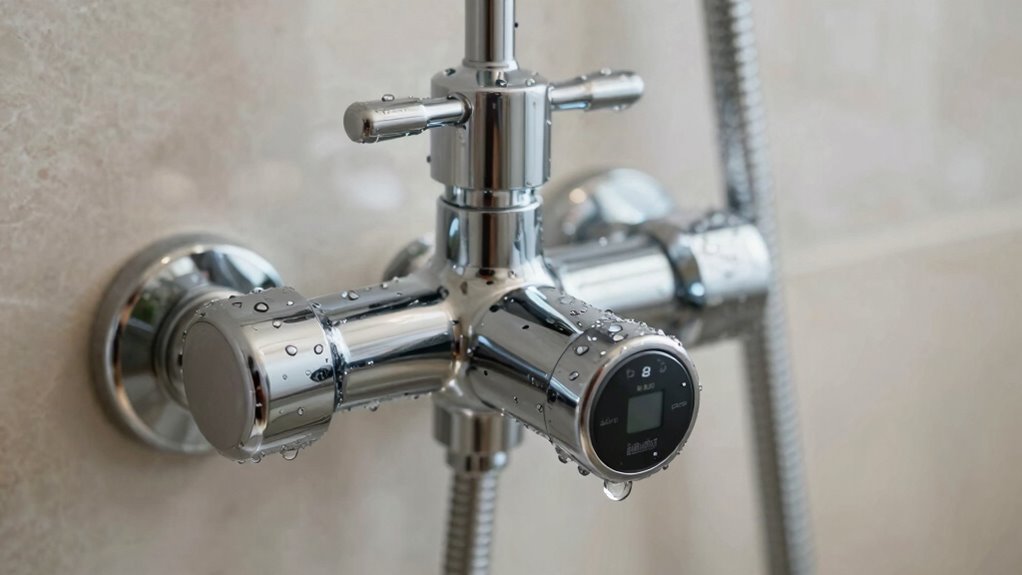
When choosing between thermostatic and pressure-balance valves, what factors should you consider? First, think about valve efficiency. Thermostatic valves maintain water temperature by adjusting flow automatically, while pressure-balance valves react to changes in water pressure. If you want consistent temperature control, a thermostatic valve might suit you better. Next, consider your user preferences. Do you prioritize ease of use or precise temperature settings? Pressure-balance valves are typically simpler, making them a good choice for households with varying water pressure. On the other hand, if you enjoy customizing your shower experience, a thermostatic valve provides more control. Ultimately, your decision should align with your comfort and usability needs, ensuring a satisfying shower experience every time.
Benefits of Thermostatic Shower Valves
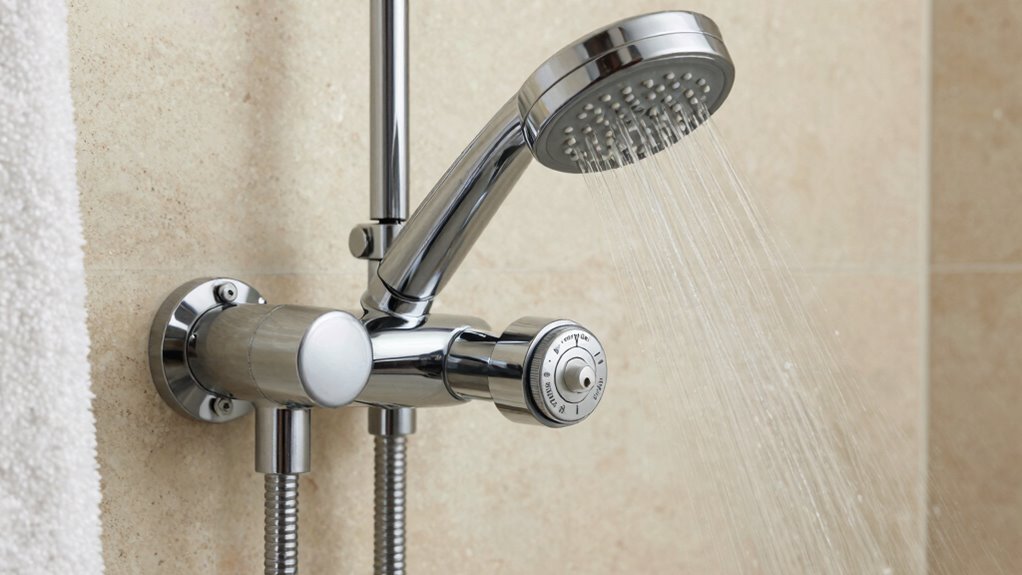
If you’re looking for a shower experience that prioritizes comfort and safety, thermostatic shower valves provide significant advantages. These valves maintain a consistent water temperature, ensuring you won’t experience sudden temperature changes during your shower. This stability enhances your user experience, allowing you to relax without worrying about scalds or uncomfortable chills. Additionally, thermostatic valves improve shower efficiency by optimizing water flow, using less water while providing a satisfying shower. You’ll enjoy a luxurious feel without wasting resources, making it a smart choice for both comfort and sustainability. Overall, investing in a thermostatic shower valve means you’re prioritizing safety and enhancing your daily routine with a reliable and enjoyable shower experience.
How Pressure-Balance Valves Protect Against Scalding
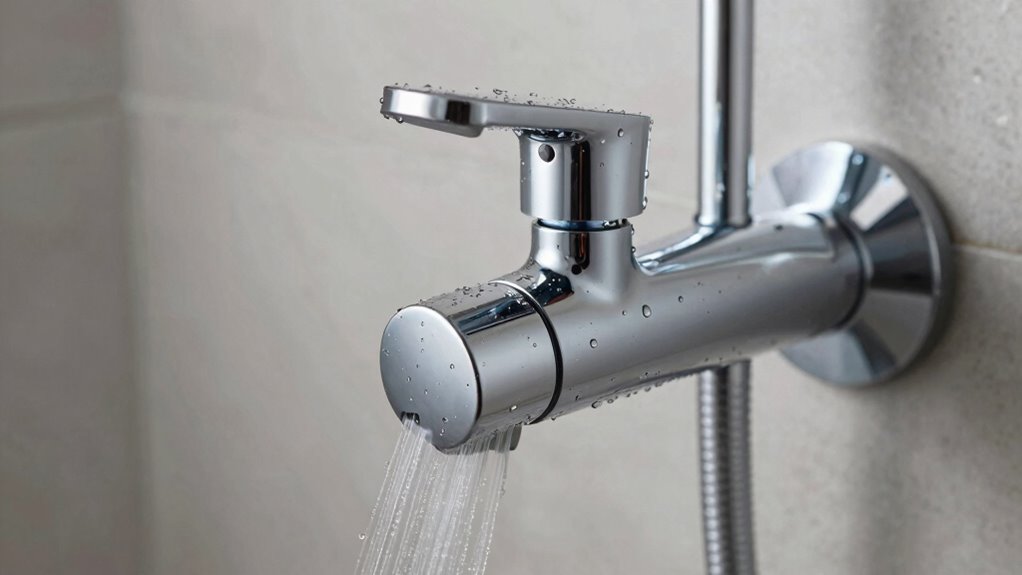
While enjoying a hot shower can be relaxing, sudden changes in water temperature can lead to scalding, which is where pressure-balance valves come into play. These valves are designed to maintain a consistent water temperature, even when someone flushes a toilet or turns on another faucet. By balancing the pressure between hot and cold water, they guarantee you won’t be subjected to sudden blasts of heat. This scald protection is a critical safety feature, especially for children and the elderly. When you choose a pressure-balance valve, you gain peace of mind, knowing that your shower experience will remain comfortable and safe. With these valves, you can fully enjoy your time in the shower without worrying about unexpected temperature changes.
5 Key Differences Between Thermostatic and Pressure-Balance Valves

When choosing between thermostatic and pressure-balance valves, you’ll want to evaluate how each manages temperature and pressure changes. Thermostatic valves offer precise temperature control, while pressure-balance valves react to shifts in water pressure. Additionally, installation and maintenance requirements differ, which can impact your overall shower experience.
Temperature Control Mechanism
Understanding the differences between thermostatic and pressure-balance valves is essential for achieving the perfect shower experience. Thermostatic valves excel in temperature regulation, allowing you to set a specific temperature and maintain it consistently. This means when someone flushes a toilet or runs a faucet, you won’t experience sudden temperature changes.
On the other hand, pressure-balance valves adjust water flow based on pressure fluctuations but lack precise temperature control. If the hot or cold water supply changes, you might feel a drastic shift in water temperature, leading to potential scalding.
Response to Pressure Changes
Although both thermostatic and pressure-balance valves respond to pressure changes, they do so in fundamentally different ways. Pressure-balance valves maintain a consistent water temperature by automatically adjusting to changes in water pressure. If someone flushes a toilet or runs another tap, you might experience sudden temperature fluctuations, but the valve works to minimize these shocks.
On the other hand, thermostatic valves use a more advanced technology. They constantly monitor and adjust the water temperature, ensuring a steady flow, even when water pressure fluctuates. This means you won’t feel sudden bursts of hot or cold water, making your shower experience much safer and more comfortable. Ultimately, choosing the right valve can greatly impact your daily routine.
Installation and Maintenance Differences
While both thermostatic and pressure-balance valves serve similar purposes, their installation and maintenance differ greatly. When you choose a thermostatic valve, you might face more installation challenges due to its complex design and additional components. This often requires professional help, especially if you’re not experienced with plumbing. On the other hand, pressure-balance valves are generally easier to install, making them a popular choice for DIY enthusiasts.
In terms of maintenance frequency, thermostatic valves typically need less frequent upkeep, as they’re designed to handle temperature fluctuations better. Conversely, pressure-balance valves may require more regular checks and adjustments to guarantee they function correctly, especially in homes with inconsistent water pressure. Your choice will greatly impact your long-term maintenance efforts.
Choosing the Right Shower Valve for Your Home
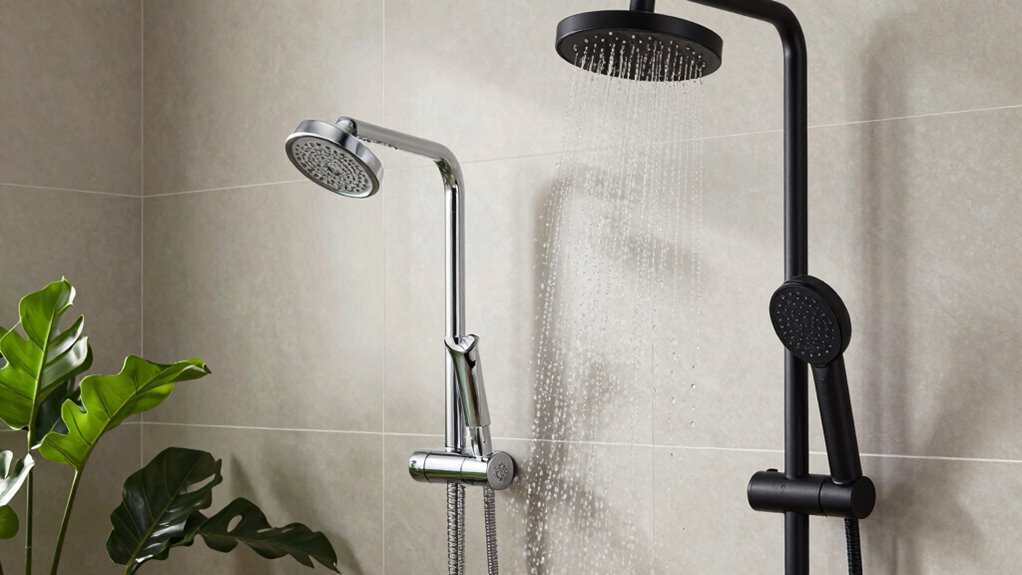
When choosing the right shower valve for your home, it’s essential to weigh the benefits of thermostatic versus pressure-balance valves. Each type offers unique advantages that can enhance your shower experience. Plus, keeping installation and maintenance in mind will help you make a more informed decision.
Thermostatic Valve Benefits
Choosing a shower valve can be overwhelming, but understanding the benefits of a thermostatic valve can simplify your decision. Here are some key advantages:
- Temperature Stability: Enjoy consistent water temperature, eliminating sudden temperature changes that can lead to scalding.
- Enhanced User Experience: Tailor your shower to your preferred settings, making each experience more enjoyable and relaxing.
- Safety Features: Built-in safety measures prevent scalding, providing peace of mind, especially for children and the elderly.
- Easy Installation: Thermostatic valves are often straightforward to install, saving you time and hassle during updates.
With these benefits, a thermostatic valve not only elevates your shower experience but also enhances safety and convenience in your home.
Pressure-Balance Valve Advantages
If you’re looking for a reliable option, pressure-balance valves offer several advantages that make them a popular choice for shower systems. These valves maintain pressure balance efficiency, ensuring a consistent water temperature even when other fixtures are in use. This means you won’t experience sudden temperature changes that could lead to scalding. For families, user safety is paramount, and pressure-balance valves excel in protecting everyone from harmful temperature fluctuations. They’re also relatively easy to install and maintain, making them an attractive choice for homeowners. With their ability to provide a steady, safe shower experience, pressure-balance valves are an excellent investment for your home, enhancing both comfort and safety in your daily routine. Additionally, proper insulation techniques can help optimize your shower system’s performance and water quality. Proper air leak sealing can further improve overall efficiency, ensuring a more comfortable experience by minimizing heat loss. Moreover, maintaining indoor air quality can contribute to a healthier environment, reducing the risks associated with dampness and mold. In addition, understanding safe movement basics can help you navigate your home safely, especially in wet areas like the bathroom.
Installation and Maintenance Tips
Sure! Here’s your revised article subheading content with the requested changes:
—
Although selecting the right shower valve might seem challenging, a few key tips can simplify the installation and maintenance process.
- Check Valve Compatibility: Confirm your chosen valve fits your existing plumbing and shower system. Additionally, understanding appliance upkeep can ensure your shower functions seamlessly with the rest of your home. It’s also crucial to consider power protection to avoid electrical hazards if your shower includes any powered features.
- Follow Manufacturer Instructions: Always refer to the installation guide to avoid mistakes.
- Regular Maintenance Frequency: Inspect your valve every six months for leaks or wear; this can prevent costly repairs later.
- Use Quality Parts: Invest in durable components for longevity and reliability. Additionally, ensuring color accuracy in your home’s fixtures can enhance the overall aesthetic and functionality of your space.
—
Let me know if you need any further modifications!
What to Know About Installing Shower Valves
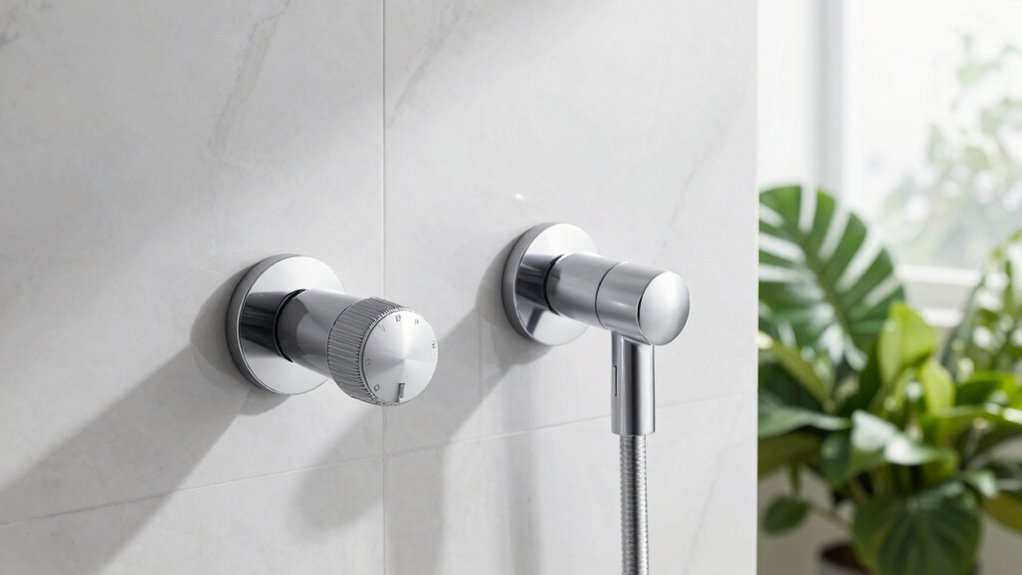
When you’re ready to install shower valves, understanding the process can make a significant difference in achieving a successful outcome. Familiarize yourself with the different valve types and the best installation techniques to guarantee a smooth setup. Additionally, consider how eco-friendly HVAC guidance can impact overall water heating efficiency in your home. Implementing smart home technology can further enhance home safety measures during the installation process, especially when using AI monitoring systems to detect potential hazards. Regular maintenance can also ensure that your plumbing remains in optimal condition, making it easier to manage cleaning and organization in your bathroom.
| Valve Type | Installation Technique |
|---|---|
| Thermostatic | Connect temperature control first |
| Pressure-Balance | Secure pressure balance before water lines |
| Diverter | Test diverter functionality after installation |
Always follow manufacturer instructions, as each valve might have specific requirements. Make sure you have the necessary tools and materials on hand, and consider consulting a professional if you’re unsure. A proper installation not only enhances performance but also keeps you safe from scalding.
Frequently Asked Questions
Can I Install a Thermostatic Valve Myself?
Yes, you can install a thermostatic valve yourself if you’re comfortable with DIY installation. Just make sure the valve is compatible with your existing plumbing. Gather the necessary tools, follow the manufacturer’s instructions closely, and shut off the water supply before starting. If you run into any issues or feel unsure at any step, don’t hesitate to consult a professional. A successful installation will enhance your shower experience considerably!
How Long Do Shower Valves Typically Last?
Shower valves typically last between 10 to 20 years, depending on the valve materials and how well you maintain them. For instance, if you installed a brass valve, you might find it lasts closer to 20 years due to its durability. In contrast, cheaper plastic valves may wear out sooner. Regular maintenance can greatly enhance their lifetime expectancy, so keep an eye on wear and tear to avoid unexpected replacements.
Do I Need a Specific Water Pressure for These Valves?
You don’t need a specific water pressure for these valves, but they do benefit from proper pressure regulation. Ideally, your water flow should be between 40 to 60 psi for ideal performance. If your pressure’s too low, it might affect how effectively the valve functions, leading to inconsistent temperatures. Conversely, excessively high pressure can cause wear and tear. So, keeping your home’s water pressure in check is key for a comfortable shower experience.
Are There Maintenance Requirements for Shower Valves?
“An ounce of prevention is worth a pound of cure.” To keep your shower valves in top shape, regular maintenance is essential. For both valve types, check for leaks and mineral buildup. Clean the cartridges every six months, and replace any worn washers or seals. Don’t forget to inspect the temperature settings too. Following these maintenance tips can save you from bigger headaches down the line, ensuring a safe and enjoyable shower experience.
Can I Replace My Old Valve With a New Type?
Yes, you can replace your old valve with a new type, but you need to check for valve compatibility first. Different valves may have varying installation challenges, like adjusting plumbing or fitting new hardware. Make certain to review your current setup and the specifications of the new valve. If you’re not comfortable with the installation process, consider hiring a professional to guarantee everything works smoothly and safely.
Conclusion
In the end, selecting the right shower valve isn’t just about preference; it’s about ensuring your comfort and safety. While thermostatic valves offer precise temperature control, pressure-balance valves provide a reliable safeguard against sudden temperature changes. By understanding these options, you’ll make a choice that enhances your daily routine. So, whether you lean towards the finesse of thermostatic or the practicality of pressure-balance, you’re one step closer to a blissful shower experience.