Modern low-flow toilets save water through innovative design features like pressure-assisted flushing and dual-flush mechanisms, which use less water while maintaining strong performance. They’re made to fit existing plumbing and often boast sleek, space-saving styles that enhance your bathroom’s look. This combination of efficiency and aesthetics guarantees you get reliable waste removal without high water bills. Want to discover how these smart designs make a real difference? Keep exploring to learn more.
Key Takeaways
- Modern low-flow toilets use advanced flushing systems like pressure-assisted and dual-flush mechanisms to maximize water efficiency.
- Innovative designs optimize each flush, reducing water use while maintaining effective waste removal.
- They fit existing plumbing, making upgrades simple without extensive modifications.
- Durable materials ensure long-term performance and consistent water savings over time.
- Plumbing innovations enhance installation and maintenance, promoting sustainable, eco-friendly bathroom solutions.
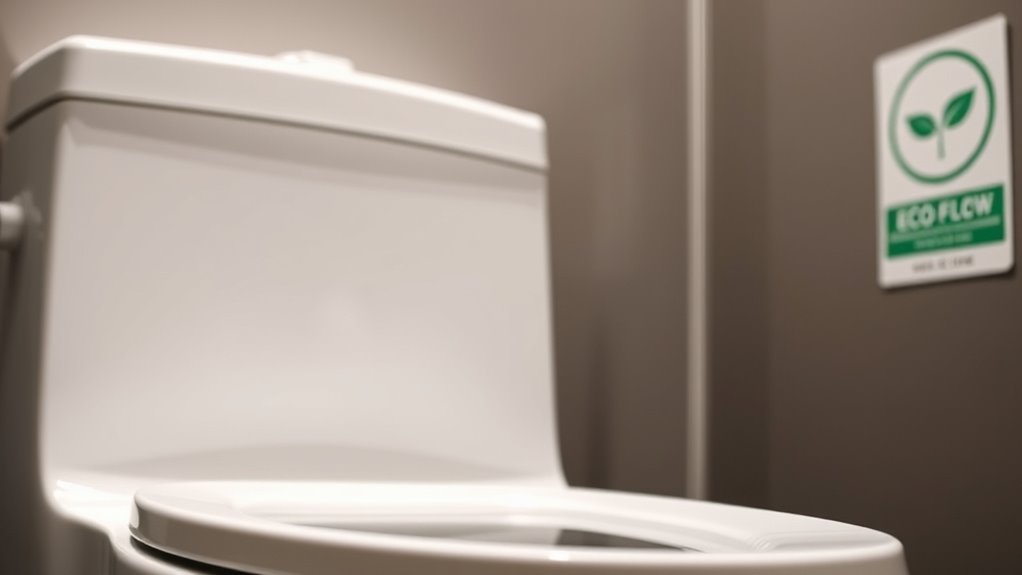
Low-flow toilets have become a popular choice for those looking to save water without sacrificing performance. If you’re aiming to reduce your water bill or lessen your environmental impact, switching to a low-flow toilet is an effective step. Modern plumbing innovations have made these toilets more efficient and reliable than ever before, ensuring that you don’t have to compromise on comfort or cleanliness. By choosing a low-flow model, you’re actively participating in water conservation efforts, which is especially important in areas facing droughts or water shortages. These toilets typically use just 1.28 gallons per flush, compared to traditional models that can use up to 3.5 gallons, making a significant difference in water usage over time.
Low-flow toilets save water and improve efficiency without compromising performance or cleanliness.
The key to their efficiency lies in innovative design features that optimize each flush. For example, some models incorporate pressure-assisted flushing systems, which use controlled air pressure to deliver a powerful, effective flush with less water. Others utilize dual-flush mechanisms, allowing you to choose a light or full flush depending on your needs. This flexibility helps you conserve water during every use, reducing wastage without sacrificing hygiene. The engineering behind these toilets has evolved steadily, driven by ongoing plumbing innovations that focus on maximizing performance while minimizing water consumption. As a result, you’re able to enjoy a strong flush that clears waste thoroughly without the excessive water use of older models.
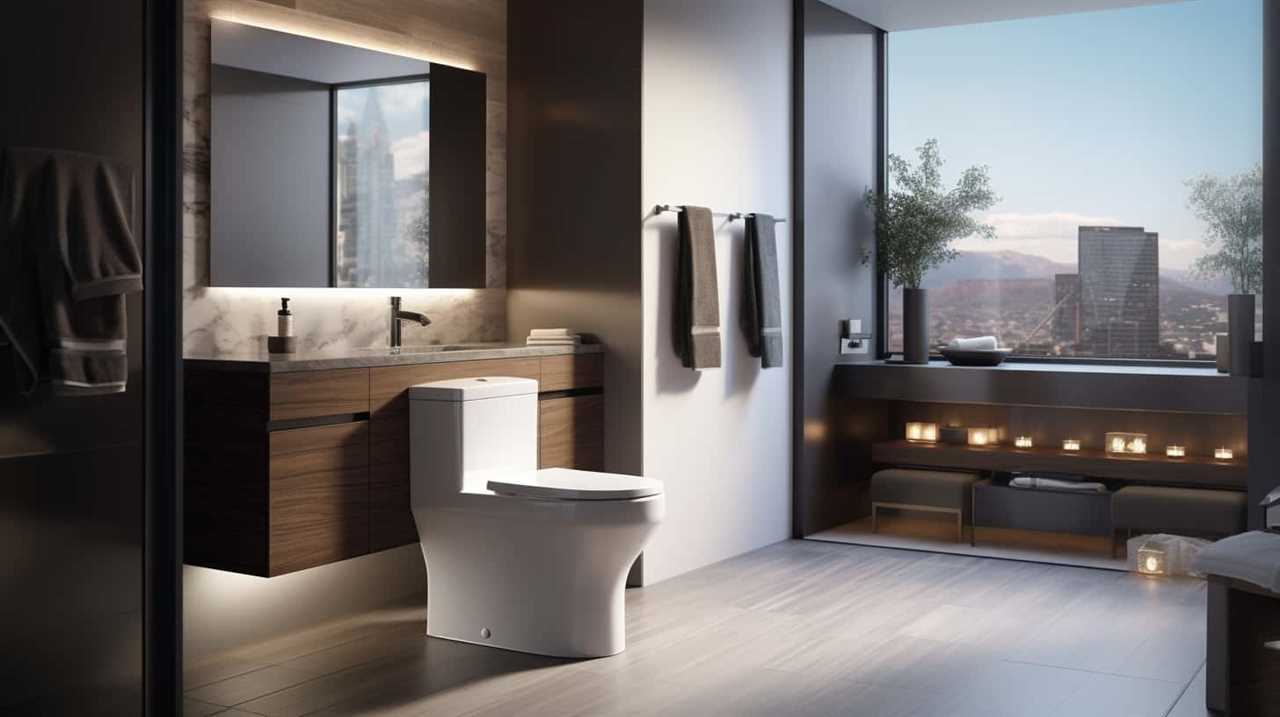
Switching to a low-flow toilet also means you’ll benefit from the latest in plumbing innovations that make installation and maintenance easier. Many models are designed to fit into existing plumbing setups, so you won’t need extensive modifications. Additionally, their sleek designs often use less space and feature modern aesthetics that enhance your bathroom’s look. These innovations also extend to durability, with high-quality materials that resist staining and scratching, ensuring your low-flow toilet remains efficient and attractive over years of use.
You may worry that a water-saving toilet might not perform as well, but advances in plumbing innovations have addressed these concerns. Today’s low-flow toilets offer powerful flushing capabilities that rival traditional models, ensuring your bathroom stays hygienic without wasting water. Moreover, some models incorporate water-saving features that further enhance their efficiency and performance. By making this switch, you’re not just saving money on your water bill; you’re also contributing to water conservation efforts on a larger scale. These modern toilets demonstrate how thoughtful engineering and innovative design can deliver both environmental benefits and high performance. So, when you choose a low-flow toilet, you’re embracing a smarter, more sustainable way to keep your bathroom functional and eco-friendly.

Tadashi Bidet Toilet Seat Elongated, Heated Toilet Seat, Instant Warm Water & Dryer, Feminine & Rear Wash, Self-Clean Nozzle, Slow Close Lid, Child/ECO/Silent Mode
Dual Control Convenience: Enjoy the flexibility of a sleek 【Digital Remote】 and a 【Comprehensive Knob Control 】with Night...
As an affiliate, we earn on qualifying purchases.
Frequently Asked Questions
Are Low-Flow Toilets Compatible With Older Plumbing Systems?
Yes, low-flow toilets are generally compatible with older plumbing systems. You might need to check plumbing compatibility to guarantee proper fit and function. If your current system isn’t fully compatible, retrofit options are available, making installation easier. These toilets are designed to work with standard plumbing, but consulting a professional can help you identify any adjustments needed for a seamless upgrade.
Do Low-Flow Toilets Require Special Cleaning or Maintenance?
You won’t need special cleaning or maintenance for low-flow toilets, but regular upkeep is essential. For example, a homeowner in Florida found that cleaning the bowl weekly with gentle disinfectants kept odors at bay and maintained efficiency. Focus on cleaning frequency and follow standard maintenance procedures like checking for mineral buildup or clogs. This guarantees your low-flow toilet functions properly without extra fuss, saving water and preventing costly repairs.
How Effective Are Low-Flow Toilets at Preventing Clogs?
Low-flow toilets are quite effective at preventing clogs thanks to improved flushing power and innovative designs. They use a powerful flush that clears waste efficiently, reducing the chance of blockages. To keep them working well, you should avoid flushing bulky items or non-flushable materials. Overall, with proper use and maintenance, low-flow toilets offer reliable clog prevention while saving water.
Can Low-Flow Toilets Be Installed in Commercial Buildings?
Yes, you can install low-flow toilets in commercial buildings. They meet commercial compliance standards and help reduce water usage, making them an eco-friendly choice. However, you should be aware of potential installation challenges, such as guaranteeing proper flushing power and fitting into existing plumbing. Working with professionals can ease these challenges and ensure your low-flow toilets operate effectively, providing long-term water savings and compliance benefits.
What Are the Long-Term Cost Savings of Using Low-Flow Toilets?
You’ll see significant long-term cost savings with low-flow toilets through water bill reduction, as they use less water per flush. This not only cuts your expenses but also reduces your environmental impact by conserving water resources. Over time, the savings add up, making these toilets a smart investment for both your wallet and the planet. Plus, many models qualify for rebates, boosting your overall savings.

ALPHA BIDET JX2 Elongated Bidet Toilet Seat, White, Endless Warm Water, *NEW* Bowl Mist, LED Light, Quiet Operation, Wireless Remote, Stainless Steel Nozzle, Sittable Lid, 3 Year Warranty
WARM AND SOOTHING - Tankless on-demand water heating for endless warm water
As an affiliate, we earn on qualifying purchases.
Conclusion
So, next time you flush, remember that your sleek, modern low-flow toilet is secretly saving thousands of gallons—while you sit comfortably, oblivious to the irony. It’s funny how something so simple can make you feel like an eco-hero, all without you lifting a finger. Who knew that reducing water use could be so effortless? Thanks to these innovative designs, you’re helping the planet—one flush at a time—without even breaking a sweat.

Round Bidet Toilet Seat, Smart Heated Toilet Seat with Warm Water and Dryer, Soft Close Bidet Seat with Adjustable Temperature, Stainless Steel Nozzle
Measuring Before Ordering:Please measure and confirm clearly that [ROUND] toilet seat match your toilet or not. The distance...
As an affiliate, we earn on qualifying purchases.
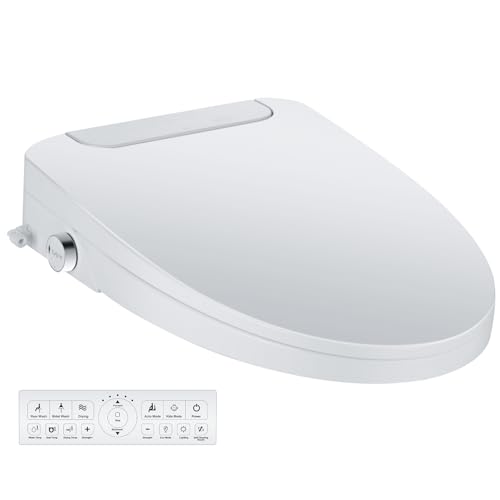
mijashy Electric Bidet Toilet Seat, Elongated, Warm Water with Air Dryer, Heated Seat and Slow Close Lid, Front and Rear Wash, LED Nightlight, Wireless Remote, White, 101
ADJUSTABLE WATER PRESSURE - Enjoy a customized clean with stainless steel nozzles that offer adjustable water pressure and...
As an affiliate, we earn on qualifying purchases.