When choosing between toilet rough-in sizes of 10, 12, and 14 inches, you need to evaluate your space and needs. A 10-inch rough-in works well for compact models, while the 12-inch size is the most common and versatile. If you have extra space, a 14-inch option lets you explore specialty toilets. Ensuring the right fit prevents plumbing issues and enhances comfort. Want to find out more about choosing the perfect rough-in size for your bathroom?
Key Takeaways
- Rough-in sizes of 10, 12, and 14 inches determine toilet compatibility with existing plumbing and space constraints.
- A 10-inch rough-in is ideal for compact models, while a 12-inch is the standard for most toilets.
- The 14-inch rough-in accommodates specialty toilets but requires additional bathroom space.
- Accurate measurement from the wall to the center of the flange is crucial for proper installation.
- Double-checking measurements helps avoid costly mistakes and ensures optimal toilet functionality.
toilet rough-in size measurement tool
As an affiliate, we earn on qualifying purchases.
As an affiliate, we earn on qualifying purchases.
Understanding Toilet Rough-In Sizes and Their Importance

When you’re planning a bathroom renovation or installing a new toilet, understanding rough-in sizes is essential. Rough-in sizes refer to the distance from the wall to the toilet’s drain pipe, typically measured in inches. Knowing whether you need a 10, 12, or 14-inch rough-in can save you time and money during your toilet installation. If you choose the wrong size, you might face alignment issues or even have to redo your plumbing basics, leading to unnecessary headaches. Accurate measurements not only guarantee a proper fit but also enhance your bathroom’s overall functionality. So, before diving into your renovation project, make certain you grasp the importance of rough-in sizes to avoid common pitfalls.
toilet flange measurement tape
As an affiliate, we earn on qualifying purchases.
As an affiliate, we earn on qualifying purchases.
Measuring Your Toilet Rough-In
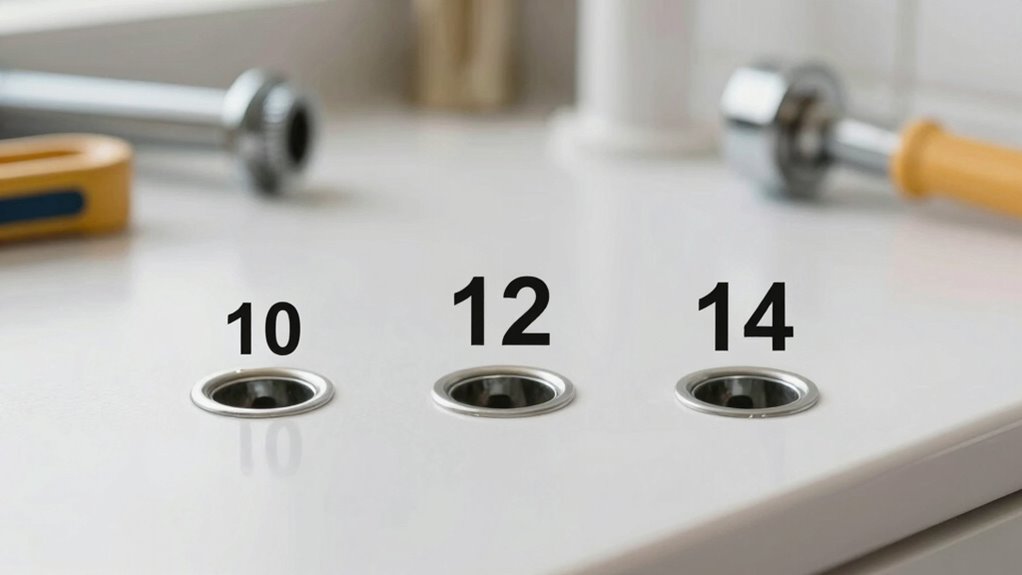
When measuring your toilet rough-in, you’ll need a few essential tools to get accurate results. Follow a step-by-step guide to guarantee you measure correctly and avoid common mistakes that can lead to costly errors. Let’s explore how to do this efficiently and effectively.
Tools Needed For Measuring
You’ll need a few essential tools to measure your toilet rough-in accurately. First, grab a tape measure; it’s vital for precise measurements. A level can also help guarantee your toilet sits straight. Keep a notepad handy to jot down your measurements, and a pencil for marking any important points.
| Tool | Purpose |
|---|---|
| Tape Measure | For accurate distance measuring |
| Level | Guarantees toilet alignment |
| Notepad & Pencil | Records measurements and notes |
Using these measuring tools and effective measurement techniques will help you determine the right rough-in size for your new toilet. With these essentials, you’re set for a successful measurement process!
Step-By-Step Measurement Guide
To measure your toilet rough-in accurately, start by identifying the distance between the wall behind the toilet and the center of the toilet flange. Use a tape measure for precision, and make sure you’re measuring straight back from the wall to avoid any angles. This distance will determine your rough-in size, typically 10, 12, or 14 inches.
Next, check for any obstacles that could affect your toilet placement, such as pipes or cabinetry. Ensuring you have enough space around the toilet is essential for comfort and functionality. This attention to detail not only aids in proper installation but also enhances space optimization in your bathroom layout. By following these steps, you’ll set yourself up for a successful toilet installation.
Common Measurement Mistakes
Accurate measurements are essential, but many homeowners make common mistakes when measuring their toilet rough-in. One frequent issue is not measuring from the wall to the center of the drain, leading to measurement errors that can cause installation issues later. Additionally, overlooking baseboards or other obstacles can create size discrepancies, making it difficult to fit the toilet properly. Another common planning mistake is assuming that all toilets fit a standard rough-in size; they don’t. Always double-check your measurements, and consider using a level to guarantee accuracy. These small oversights can lead to costly adjustments, so take your time to get it right the first time. A few extra minutes can save you a lot of headaches down the line.
standard toilet rough-in size kit
As an affiliate, we earn on qualifying purchases.
As an affiliate, we earn on qualifying purchases.
The Differences Between 10-Inch, 12-Inch, and 14-Inch Rough-Ins
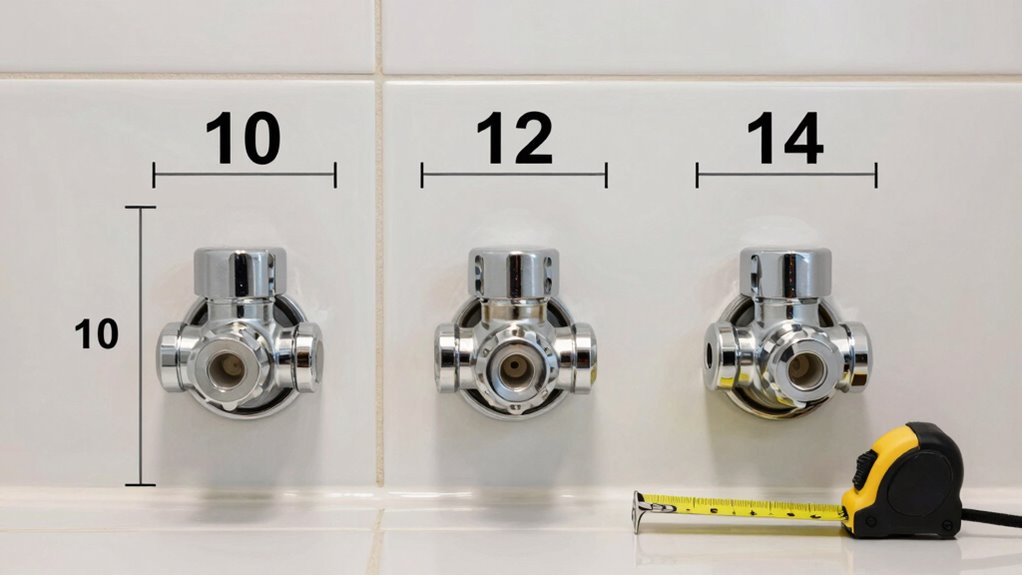
What makes a toilet rough-in size important for your bathroom? It directly affects the compatibility of different toilet types and can lead to significant installation challenges. Understanding the differences between 10-inch, 12-inch, and 14-inch rough-ins helps you make informed decisions.
| Rough-In Size | Common Toilet Types | Installation Challenges |
|---|---|---|
| 10 inches | Compact models | Limited options |
| 12 inches | Standard toilets | Most versatile |
| 14 inches | Specialty toilets | Requires extra space |
Choosing the right rough-in size guarantees that your toilet fits perfectly, minimizing plumbing issues and maximizing comfort. When you know these differences, you can avoid costly mistakes during your renovation.
toilet installation measuring tools
As an affiliate, we earn on qualifying purchases.
As an affiliate, we earn on qualifying purchases.
How to Choose the Right Rough-In Size for Your Bathroom Layout

Choosing the right rough-in size for your bathroom layout can greatly impact both functionality and aesthetics. Start by measuring the distance from the wall to the center of the existing drain. This’ll help you identify whether a 10-inch, 12-inch, or 14-inch rough-in fits best. Consider the overall layout—if space is tight, a smaller rough-in might work better without sacrificing comfort. Also, think about plumbing considerations; not all plumbing can accommodate every rough-in size, so check your existing setup. If you’re remodeling, make sure the new toilet aligns with your design goals while meeting necessary plumbing codes. Ultimately, the right rough-in size will enhance your bathroom’s efficiency and look, so take your time making this essential decision.
Common Mistakes When Selecting Your Rough-In Size

When selecting your rough-in size, overlooking key measurements can lead to frustrating mistakes. One common issue arises from rough-in misconceptions; many people assume that all toilets fit the same size. This can lead to sizing errors that require costly adjustments or replacements. Always double-check the distance from the wall to the center of the toilet flange. It’s also essential to take into account your bathroom’s layout and any obstructions that might affect the installation. Ignoring these factors can result in a toilet that’s too close to the wall or other fixtures, causing discomfort or even plumbing issues. By being diligent about your measurements, you can avoid these pitfalls and guarantee a smooth installation process.
Tips for Installing a Toilet With the Correct Rough-In

To guarantee a successful toilet installation with the correct rough-in, start by confirming your measurements before making any purchases. Use these toilet installation tips to facilitate a smooth process:
| Step | Action |
|---|---|
| Measure Rough-In | Measure from the wall to the bolts |
| Choose the Right Size | Select 10″, 12″, or 14″ based on your measurement |
| Check Floor Level | Verify the floor is level for stability |
| Use Proper Tools | Have a wrench, level, and caulk ready |
| Make Rough-In Adjustments | Adjust the flange if necessary |
Following these steps will help you navigate rough-in adjustments and set your new toilet up for success. Happy installing!
What to Do if Your Toilet Doesn’t Fit Right?

Even if you’ve measured carefully, there might be times when your toilet doesn’t fit right. Don’t worry; here are some toilet troubleshooting tips to help you find fitting solutions:
- Adjust the Flange: If the toilet sits too high or low, you may need to raise or lower the flange for a proper fit.
- Use Spacers: If your toilet’s rough-in measurement doesn’t match, using spacers can help bridge the gap between the toilet and the floor.
- Consider a New Toilet: Sometimes, the best solution is to invest in a toilet that matches your rough-in size more closely.
Frequently Asked Questions
Can Rough-In Sizes Affect Toilet Performance?
Yes, rough-in sizes can affect toilet performance. If you choose a size that doesn’t match your space, you might face installation challenges, leading to poor efficiency. A toilet that’s too far from the wall or improperly aligned can impact flushing effectiveness. Ensuring the right rough-in size not only simplifies installation but also enhances toilet efficiency, making sure you get the best performance from your fixture. Always measure carefully before purchasing!
Are There Universal Toilet Models for All Rough-In Sizes?
No, there aren’t universal toilet models for all rough-in sizes. Each toilet typically matches specific rough-in size variations, like 10, 12, or 14 inches. If you want to guarantee proper fit and functionality, you’ll need to choose a model that corresponds to your rough-in measurement. Always check the manufacturer’s specifications before purchasing, so you get the right toilet for your setup and avoid issues with installation and performance.
How Do Rough-In Sizes Impact Bathroom Aesthetics?
Rough-in sizes can make or break your bathroom’s aesthetics—think of it as the difference between a masterpiece and a mess! When you choose the right size, you achieve design balance, ensuring everything looks harmonious. It also helps with space optimization, letting you maximize every inch of your bathroom. A well-fitted toilet complements other fixtures, creating an inviting atmosphere that enhances both functionality and style. So, don’t underestimate the impact of those measurements!
What Tools Are Needed to Measure Rough-In Size?
To measure rough-in size, you’ll need a few essential tools. Grab a tape measure for accurate measurements, and a level to guarantee your markings are straight. A pencil helps you mark the wall where you’ll measure from the finished wall to the center of the drain. Familiarize yourself with measuring techniques, like measuring in inches, and double-check your work for precision. This’ll confirm your toilet fits perfectly in your bathroom space.
Can I Convert a Toilet From One Rough-In Size to Another?
You can convert a toilet from one rough-in size to another, but it’s not straightforward. About 70% of toilets use a 12-inch rough-in, making that the most common choice for toilet installation. When considering this plumbing project, think about the cost and effort involved. You’ll likely need to modify existing plumbing and possibly adjust the flange, so it’s best to consult a professional if you’re unsure.
Conclusion
Choosing the right toilet rough-in size is like finding the perfect key to access your bathroom’s potential. Whether you go for 10, 12, or 14 inches, getting it right can transform your space from cramped to cozy. Don’t let miscalculations flush your plans down the drain! With a little care and attention, you can guarantee your toilet fits like a glove, making your bathroom a haven of comfort and style. So measure twice and install once!