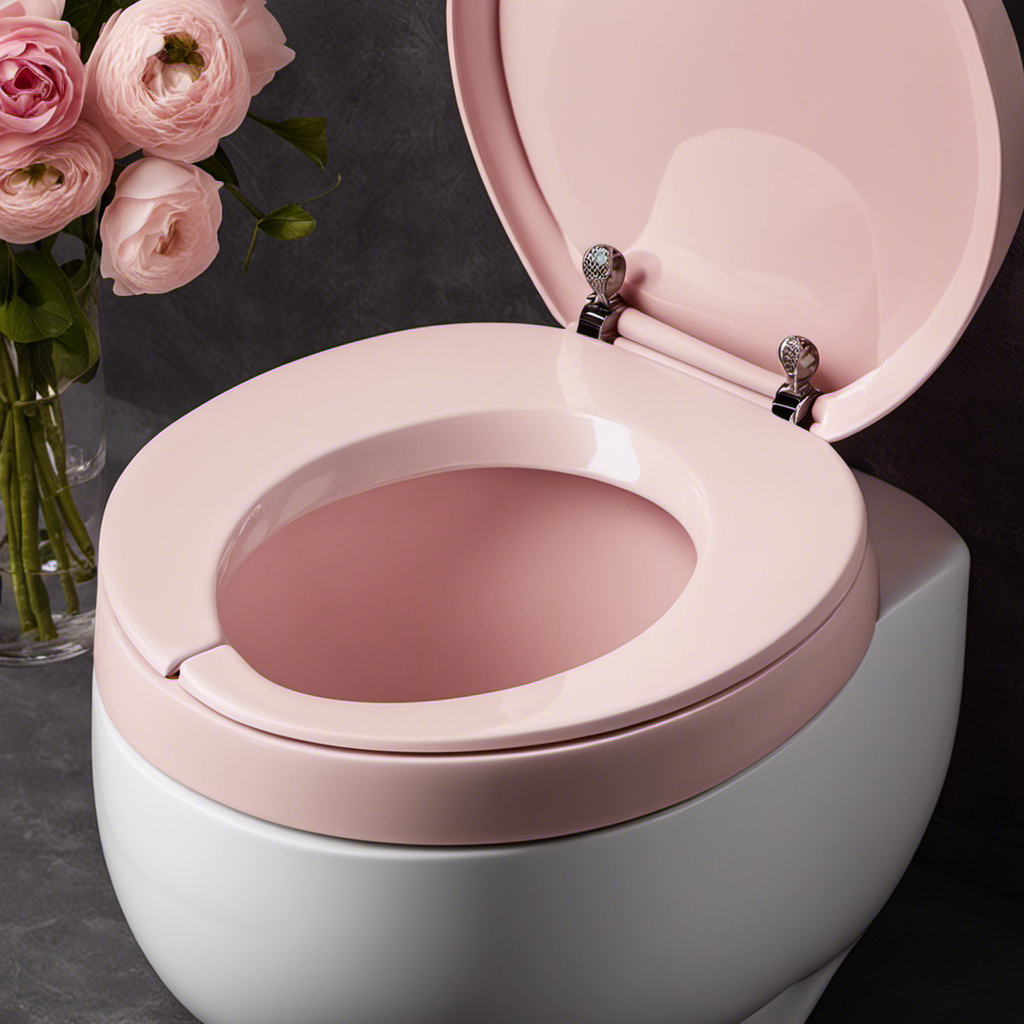
As I sat down on my toilet seat one morning, I couldn’t help but notice a vibrant pink hue spreading across its surface. Curiosity piqued, I delved into the science behind this peculiar phenomenon.

Get home appliances delivered free with Prime
- Fast, free delivery on millions of items
- Prime Video, Amazon Music and more included
- Member-only deals all year
In this article, we will explore the common causes of pink stains on toilet seats, discover effective cleaning methods, and learn how to prevent them from reappearing. So, if you’re wondering, ‘Why is my toilet seat turning pink?’ – fear not, for we shall uncover the answers together.
Key Takeaways
- Bacterial staining causes toilet seat colors to change, specifically turning pink.
- Pink stains on toilet seats can indicate poor hygiene and the presence of bacterial growth.
- Regular cleaning and disinfecting can prevent bacterial staining and maintain a clean and sanitary bathroom environment.
- Stubborn pink stains may require professional cleaning and assessment to address underlying issues like mold or bacteria growth.
As an affiliate, we earn on qualifying purchases.
The Science Behind Pink Toilet Seats
If you’re wondering why your toilet seat is turning pink, it’s because of a phenomenon called bacterial staining. Toilet seat colors can change due to the growth of bacteria on its surface.
Bacterial growth is a common occurrence in bathrooms due to the warm and moist environment. The pink color is often caused by a specific type of bacteria known as Serratia marcescens. This bacterium produces a pigment called prodigiosin which gives the toilet seat its pink hue.
While Serratia marcescens is harmless and typically found in the environment, its presence on the toilet seat can be unsightly. Regular cleaning and disinfecting of the toilet seat can help prevent bacterial staining and maintain its original color.
Common Causes of Pink Stains on Toilet Seats
One of the common causes for pink stains on toilet seats is the growth of bacteria. These stains can be unsightly and may make you wonder about the cleanliness of your bathroom.
Toilet seat discoloration occurs when bacteria, such as Serratia marcescens, thrive in moist environments. This bacterium is known for its pink or reddish pigment, which can transfer onto the toilet seat.
While pink stains may not pose a direct health risk, they can be an indicator of poor hygiene and the presence of potentially harmful bacteria.
It is important to regularly clean and disinfect your toilet seat to prevent the growth of bacteria and maintain a clean and sanitary bathroom environment.
How to Prevent Pink Stains on Your Toilet Seat
To prevent the growth of bacteria and maintain a clean bathroom, regularly cleaning and disinfecting your toilet seat is essential. Here are three tips to help you prevent toilet seat discoloration and keep your toilet seat looking clean and fresh:
-
Clean Regularly: Make sure to clean your toilet seat at least once a week using a mild detergent or disinfectant. This will remove any dirt or grime that can accumulate and cause discoloration over time.
-
Avoid Harsh Chemicals: When cleaning your toilet seat, avoid using harsh chemicals or abrasive cleaners as they can damage the surface and potentially cause discoloration. Instead, opt for gentle cleaning solutions or DIY toilet seat stain removers made from natural ingredients like vinegar or baking soda.
-
Dry Thoroughly: After cleaning, always make sure to dry your toilet seat thoroughly. Moisture can promote the growth of bacteria and mold, which can lead to discoloration. Use a clean towel or paper towel to wipe the seat dry.
By following these tips, you can prevent discoloration and keep your toilet seat looking clean and fresh.
Now, let’s explore effective cleaning methods for pink toilet seats.
Effective Cleaning Methods for Pink Toilet Seats
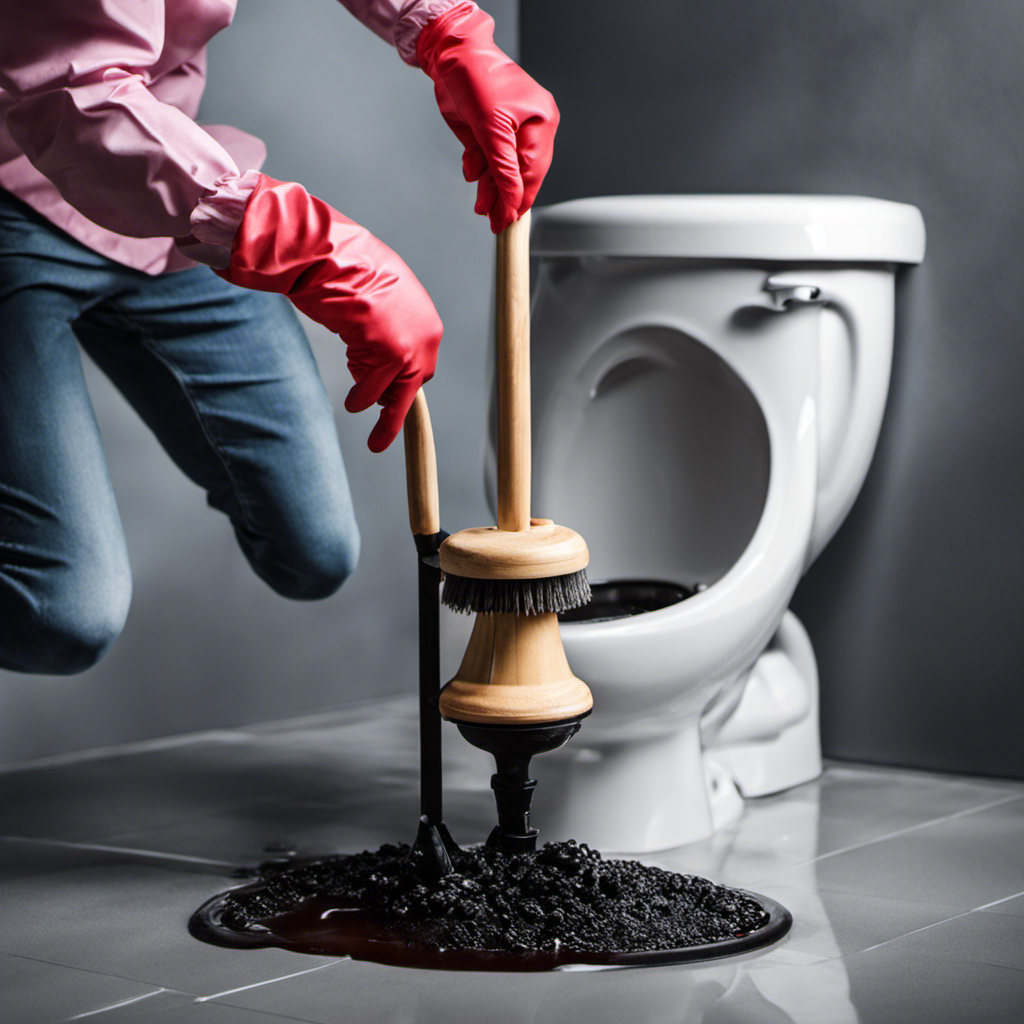
To effectively clean pink stains on your toilet seat, start by using a mixture of vinegar and baking soda. These natural remedies are great DIY cleaning solutions for pink toilet seats.
The acidic properties of vinegar help break down the stains, while the abrasive nature of baking soda helps scrub them away.
To begin, mix equal parts vinegar and baking soda to form a paste. Apply the paste to the stained area and let it sit for a few minutes.
Then, using a brush or sponge, scrub the stain gently in circular motions. Rinse the area thoroughly with water and repeat the process if necessary.
This method not only effectively removes pink stains but also leaves your toilet seat looking clean and fresh. Remember to wear gloves and ensure proper ventilation when using vinegar.
When to Seek Professional Help for Pink Toilet Seats
If pink stains persist despite using DIY cleaning solutions, it may be necessary to seek professional help. Here are three reasons why professional assistance might be required:
-
Stubborn stains: Some pink stains on toilet seats can be particularly stubborn and resistant to DIY remedies. If you have tried various cleaning solutions and techniques without success, it is a sign that professional help is needed. Professionals have access to specialized cleaning products and equipment that can effectively remove persistent pink stains.
-
Underlying issues: Pink stains on toilet seats can be a sign of a more serious underlying problem, such as mold or bacteria growth. These issues can pose health risks and require professional assessment and treatment. Professionals can identify the root cause of the pink stains and address it appropriately.
-
Health risks: Pink stains on toilet seats can indicate the presence of bacteria or fungi, which can be harmful to your health. If you notice a foul odor or experience respiratory issues after cleaning your toilet seat, it is crucial to seek professional help. Professionals can sanitize and disinfect the area to ensure a clean and safe environment.
Frequently Asked Questions
Can Pink Stains on a Toilet Seat Be Harmful to My Health?
Pink stains on a toilet seat may not be harmful to health. However, it’s important to clean them regularly to prevent bacteria growth. Regular cleaning with disinfectant and proper hygiene practices can reduce health risks associated with pink stains.
Does the Color of the Toilet Seat Material Make a Difference in Preventing Pink Stains?
To prevent pink stains, the material of the toilet seat can make a difference. Some materials are more resistant to stains than others. Regular cleaning and using non-abrasive cleaners can also help maintain a stain-free toilet seat.
Are There Any Home Remedies or Natural Cleaning Solutions That Can Effectively Remove Pink Stains?
There are several natural cleaning solutions and DIY toilet seat cleaning methods that can effectively remove pink stains. I can provide you with knowledgeable, informative, and precise advice on how to tackle this issue.
Can Using Certain Cleaning Products or Chemicals Contribute to the Development of Pink Stains on Toilet Seats?
Using certain cleaning products or chemicals can indeed contribute to toilet seat discoloration, including the development of pink stains. It’s important to be mindful of the ingredients in these products and opt for alternatives if concerned about pink stains.
Are There Any Specific Factors That Can Increase the Likelihood of Pink Stains Appearing on a Toilet Seat?
Factors such as bacteria, mold, and mineral deposits can contribute to pink stains on toilet seats. Regular cleaning with non-abrasive cleaners and proper ventilation can help prevent these stains from appearing.
Conclusion
In conclusion, understanding the science behind pink toilet seats can help us prevent and effectively clean those pesky stains. By identifying common causes such as bacteria and minerals in water, we can take proactive measures to keep our toilet seats stain-free.
It is interesting to note that according to a study conducted by the American Society for Microbiology, 59% of toilet seats tested positive for bacteria such as E. coli. This highlights the importance of regular cleaning and proper hygiene practices in maintaining a healthy bathroom environment.
Halloween Picks
halloween
As an affiliate, we earn on qualifying purchases.