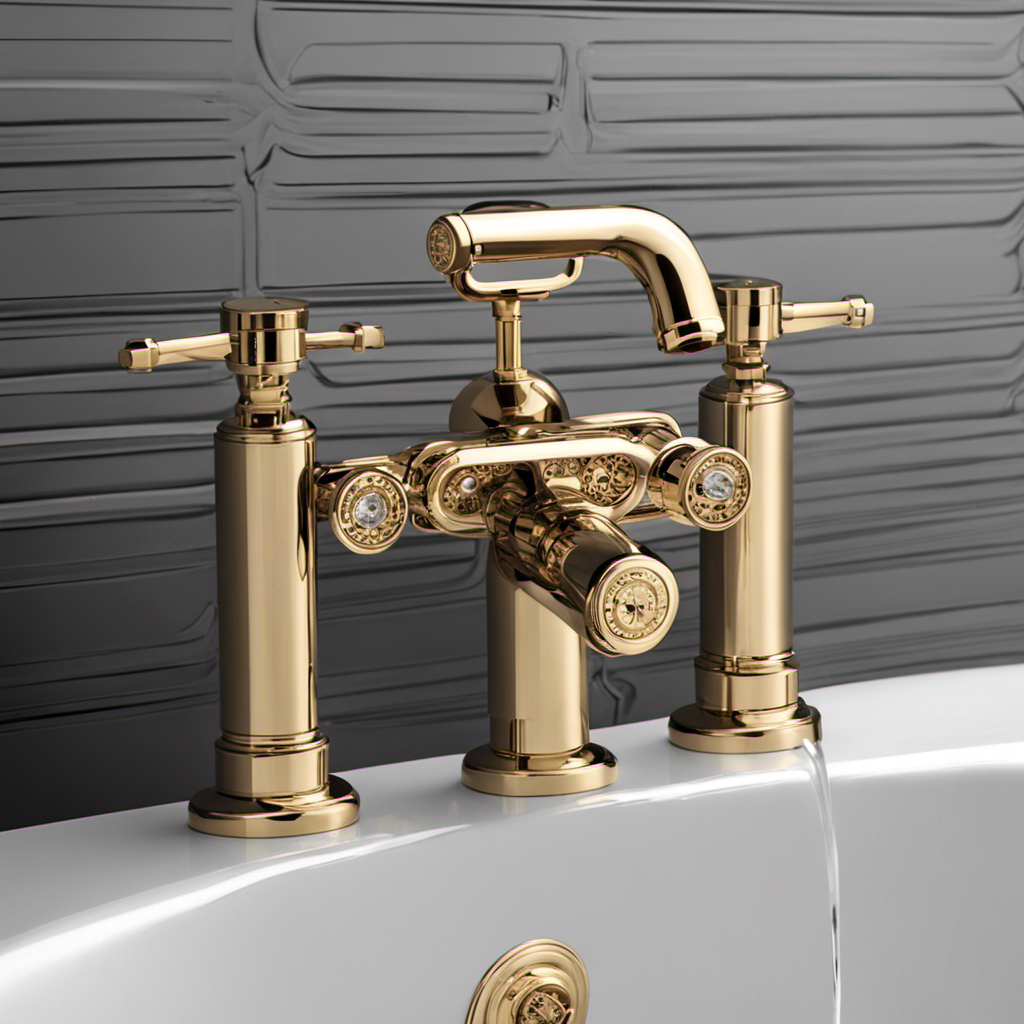
I’ve always been fascinated by the inner workings of everyday objects, and one thing that has always piqued my curiosity is how bathtub drains actually work.

Get home appliances delivered free with Prime
- Fast, free delivery on millions of items
- Prime Video, Amazon Music and more included
- Member-only deals all year
In this article, we’ll delve into the intricate anatomy of a bathtub drain, explore the different types of drain mechanisms, and discuss factors that affect drain performance.
With some maintenance tips and troubleshooting advice, you’ll have a clear understanding of how to keep your bathtub drain running smoothly.
So, let’s dive in and explore the fascinating world of bathtub drains!
Key Takeaways
- Proper assembly and installation of bathtub drains is crucial for their effective functioning.
- Regular maintenance and cleaning of the drain can help prevent clogs and ensure optimal performance.
- Different types of drain mechanisms, such as pop-up and toe-touch, offer convenience and ease of use.
- Factors like hair accumulation, debris, grease, and oil can affect drain performance, and preventive measures should be taken to avoid issues.
The Anatomy of a Bathtub Drain
To understand the anatomy of a bathtub drain, you need to know the different components involved.
The main parts of a bathtub drain include the drain shoe, drain body, and drain flange.
The drain shoe is the curved piece that connects to the bathtub and directs water flow towards the drain body.
The drain body is the part that extends into the plumbing system and connects to the drainpipe. It also houses the drain stopper mechanism.
The drain flange is the visible part that sits on top of the bathtub and provides a seal to prevent water leakage.
During bathtub drain installation, these components are assembled and secured to ensure proper functioning.
When it comes to drain cleaning techniques, various methods like using a plunger or drain snake can be employed to remove clogs and keep the drain flowing smoothly.
Understanding the Function of the Drain Stopper
As an expert in bathtub mechanics, I’d like to discuss the key points regarding stopper mechanics and design, as well as proper stopper maintenance.
Understanding the intricacies of stopper mechanics and design is crucial for a smooth functioning bathtub drain system.
Additionally, knowing how to properly maintain the stopper ensures its longevity and prevents any potential issues in the future.
Stopper Mechanics and Design
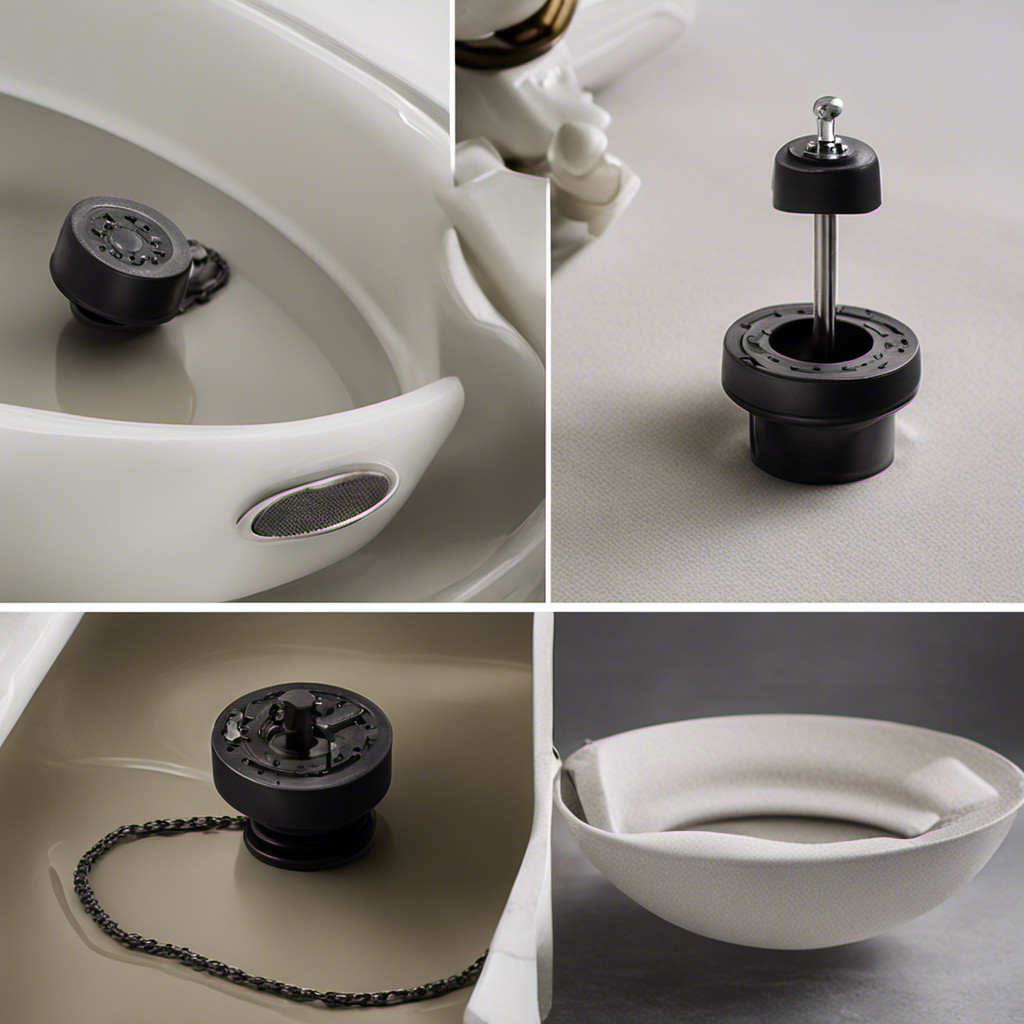
The stopper’s design determines how effectively the bathtub drains. There are various options available for stopper materials, such as rubber, silicone, and plastic. Each material has its own advantages and disadvantages in terms of durability and flexibility.
Rubber stoppers are commonly used due to their ability to create a tight seal and prevent water from escaping. Silicone stoppers are known for their heat resistance and longevity. Plastic stoppers, on the other hand, are lightweight and easy to install.
Speaking of installation, it is crucial to ensure that the stopper is properly installed to ensure optimal performance. This includes aligning the stopper correctly with the drain and adjusting any mechanisms or levers to control the flow of water.
Proper Stopper Maintenance
Regular maintenance is essential to keep the stopper functioning properly. Neglecting maintenance can lead to stopper repair and clog prevention issues. Here are some important tips for maintaining your stopper:
-
Clean the stopper regularly: Remove any debris or hair that may have accumulated on the stopper. Use a brush or a cloth to clean it thoroughly.
-
Check for damage: Inspect the stopper for any signs of wear and tear, such as cracks or corrosion. If you notice any damage, consider replacing the stopper to prevent future problems.
-
Use drain cleaners sparingly: While drain cleaners can be effective in clearing clogs, they can also damage the stopper and pipes if used excessively. Use them sparingly and follow the manufacturer’s instructions.
-
Avoid pouring grease down the drain: Grease can solidify and cause clogs in the drain. Dispose of grease properly by putting it in a container and throwing it in the trash.
Different Types of Bathtub Drain Mechanisms
When it comes to bathtub drain mechanisms, there are a few different options to consider.
Two common types are the pop-up drain mechanism and the toe-touch drain mechanism.
The pop-up drain mechanism is operated by a lever or knob that, when lifted, causes a stopper to rise and block the drain.
On the other hand, the toe-touch drain mechanism is activated simply by pressing down on the stopper with your foot.
Pop-Up Drain Mechanism
To operate the pop-up drain mechanism, you simply press down on the stopper. This lever-style drain is commonly found in many bathtubs and is a popular choice due to its simplicity and ease of use. Here are a few key points about the pop-up drain mechanism:
- The lever-style drain is connected to a cable-operated mechanism.
- When you press down on the stopper, the cable pulls the drain closed, creating a seal.
- To open the drain, you pull up on the stopper, causing the cable to retract and the drain to open.
- This mechanism allows for quick and efficient draining of the bathtub.
Now that we understand how the pop-up drain mechanism works, let’s move on to the next section about the toe-touch drain mechanism, which offers a different method of operation.
Toe-Touch Drain Mechanism
In the previous section, we discussed the pop-up drain mechanism commonly found in bathtubs. Now, let’s explore another type of drain mechanism called the toe-touch drain mechanism. This mechanism uses a push-pull mechanism, where the drain is operated by simply applying pressure with your foot.
The toe-touch drain mechanism is a cable-operated mechanism that allows for easy opening and closing of the drain. When you push down on the drain stopper with your toe, it pulls a cable connected to the drain linkage, causing the drain to open. When you release the pressure, the cable retracts, closing the drain.
To better understand the differences between the pop-up drain mechanism and the toe-touch drain mechanism, let’s take a look at the table below:
| Mechanism | Operation | Ease of Use | Maintenance |
|---|---|---|---|
| Pop-Up Drain | Manual operation | Requires lifting and turning the stopper | Regular cleaning and removal of hair and debris |
| Toe-Touch Drain | Foot operated | Easy to use with minimal effort | Occasional cleaning to prevent clogging |
Now that we’ve explored the toe-touch drain mechanism, let’s move on to the next section where we will discuss the factors that can affect drain performance.
Factors Affecting Drain Performance
One factor that can affect drain performance is the amount of hair that gets caught in the drain. Hair can easily accumulate in the drain over time, leading to clogs and reduced water flow.
To prevent this issue, it’s important to regularly clean your drain and take preventive measures. Here are some tips for drain cleaning and clog prevention:
- Use a drain strainer to catch hair and other debris before it goes down the drain.
- Avoid pouring grease or oil down the drain as they can solidify and cause clogs.
- Use a mixture of baking soda and vinegar to clean your drain and remove any buildup.
- Regularly flush your drain with hot water to help clear away any potential clogs.
Maintenance Tips for Keeping Your Bathtub Drain Clear
Regularly cleaning and using preventative measures can help ensure your bathtub drain remains clear and free from clogs.
Bathtub drain clogs can be a nuisance, causing slow drainage and even unpleasant odors.
To prevent drain clogs, it is important to keep the drain cover clean and clear of debris. Using a drain strainer can help catch hair and other particles before they enter the drain and cause blockages.
Additionally, regularly flushing the drain with hot water can help prevent buildup of soap scum and other substances.
To prevent drain odor, you can pour a mixture of baking soda and vinegar down the drain, followed by hot water. This will help eliminate any unpleasant odors and keep your bathtub drain smelling fresh.
Troubleshooting Common Bathtub Drain Issues
To fix common issues with your bathtub drain, start by checking the drain cover for any debris or buildup. This is often the culprit behind slow draining or clogs. If you find any blockage, remove the drain cover and clean it thoroughly.
Next, try using a plunger to dislodge any stubborn clogs. If that doesn’t work, you can try using a drain snake to physically remove the blockage.
Another DIY drain cleaning method is to pour a mixture of baking soda and vinegar down the drain, followed by hot water. This can help dissolve any organic matter causing the clog.
Remember to always use caution and protective gear when attempting to fix your bathtub drain.
Conclusion
In conclusion, understanding how bathtub drains work is crucial for maintaining a functional and efficient drainage system. By knowing the anatomy of a bathtub drain and the different types of mechanisms, you can better troubleshoot and address common drain issues.
One interesting statistic to consider is that a clogged drain can reduce water flow by up to 80%, emphasizing the importance of regular maintenance to keep your bathtub drain clear. By following proper maintenance tips, you can ensure a smooth and uninterrupted drainage experience.
Columbus Day / Indigenous Peoples' Day Picks
long weekend sales
As an affiliate, we earn on qualifying purchases.