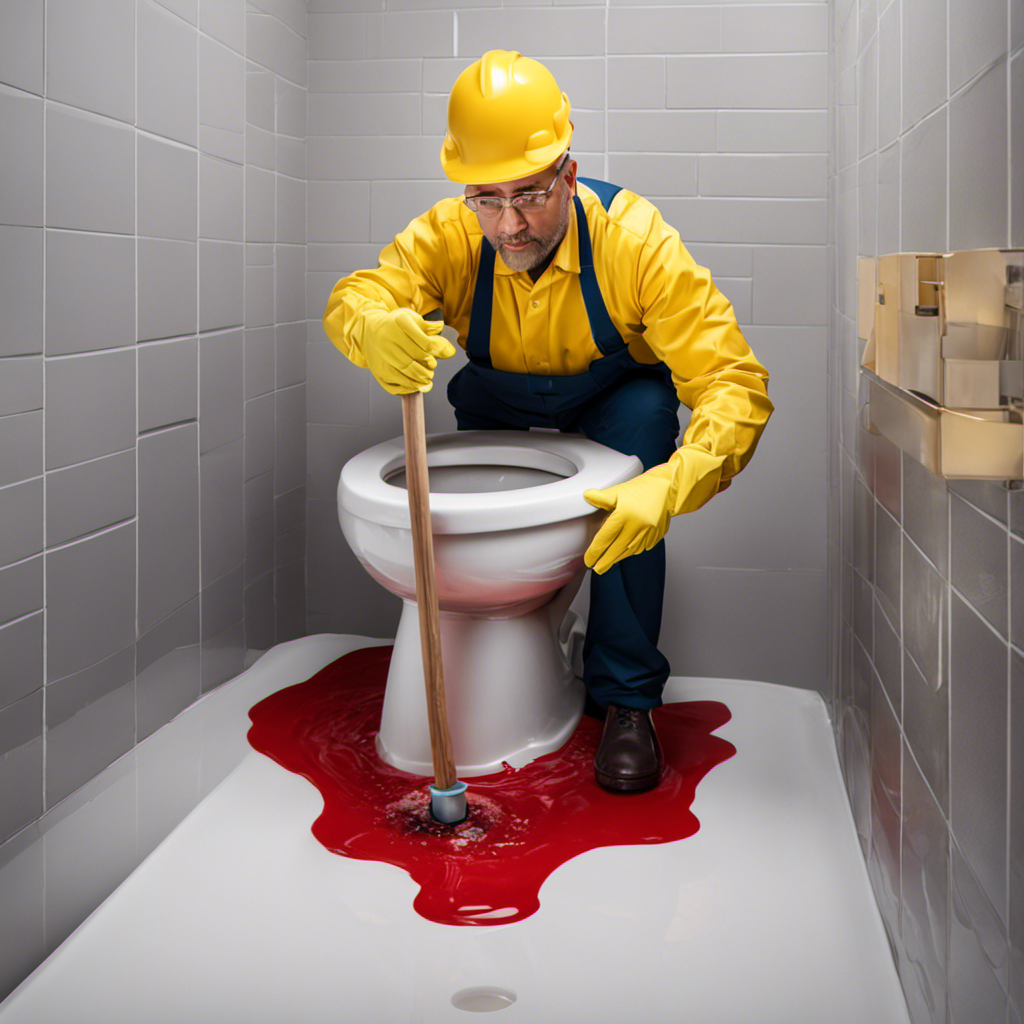
Are you tired of dealing with a backed up toilet? Don’t worry, we’ve got you covered.

Get home appliances delivered free with Prime
- Fast, free delivery on millions of items
- Prime Video, Amazon Music and more included
- Member-only deals all year
In this article, we’ll show you exactly how to fix a backed up toilet step by step. With just a few tools and a little know-how, you’ll be able to tackle this common household issue like a pro.
So, are you ready to say goodbye to toilet backups once and for all? Let’s dive in and get your bathroom back to its pristine state in no time.
Key Takeaways
- Use a plunger or alternative tools like a wire coat hanger or toilet auger to clear a backed up toilet.
- Consider using a mixture of baking soda and vinegar for stubborn clogs.
- Removing the toilet should be a last resort and best left to professionals.
- To prevent future toilet backups, avoid flushing non-flushable items and regularly maintain the plumbing system.
As an affiliate, we earn on qualifying purchases.
Common Causes of a Backed up Toilet
One common cause of a backed up toilet is when you flush excessive amounts of toilet paper down the drain. Toilet clogs can occur when too much toilet paper is flushed at once, especially if it is thick or not easily dissolvable.
Signs of a backed up toilet include slow drainage, gurgling sounds when flushing, and water rising to the top of the bowl. It is important to address a backed up toilet promptly to prevent further damage and avoid potential health hazards.
In the next section, we will discuss the tools needed for fixing a backed up toilet, which will help you resolve the issue quickly and effectively.
Tools Needed for Fixing a Backed up Toilet
To fix a backed up toilet, you’ll need a plunger and a bucket for excess water. These simple tools can save you from the hassle of calling a professional plumber.
However, if the blockage is severe or persists after using a plunger, it may be time to consider professional help.
A plunger is the most common and effective tool for unclogging a toilet. If you don’t have a plunger on hand, there are a few alternatives you can try. A wire coat hanger or a toilet auger can be used to dislodge the blockage. However, these methods require caution to avoid damaging the toilet.
Step-by-Step Guide to Clearing a Backed up Toilet
Follow these step-by-step instructions to effectively clear a clogged toilet:
-
Start by using a plunger to create suction and dislodge the clog. Place the plunger over the drain hole and push down firmly, then pull up quickly. Repeat this motion several times until the water starts to drain.
-
If the plunger doesn’t work, try using a toilet auger. Insert the auger into the drain hole and crank the handle clockwise to break up the clog. Once the clog is cleared, flush the toilet to ensure proper drainage.
-
For stubborn clogs, you can try using a mixture of baking soda and vinegar. Pour about a cup of baking soda into the toilet bowl, followed by a cup of vinegar. Let the mixture sit for a few minutes, then flush the toilet.
-
If all else fails, it may be necessary to remove the toilet and manually remove the clog. This should be a last resort and is best left to professionals.
Tips for Preventing Future Toilet Backups
Using regular maintenance such as avoiding flushing non-flushable items can help prevent future toilet backups. It’s important to take proactive steps to maintain a healthy plumbing system. Here are some DIY methods for unclogging a toilet and tips for preventing future backups:
| DIY Methods for Unclogging a Toilet | How to Maintain a Healthy Plumbing System |
|---|---|
| Use a plunger to create suction and dislodge the clog. | Avoid flushing non-flushable items like wipes, cotton balls, and dental floss. |
| Try using a toilet auger to break up stubborn clogs. | Install drain screens to catch hair and debris before it enters the pipes. |
| Use a mixture of baking soda and vinegar to dissolve minor clogs. | Regularly inspect and maintain your plumbing system, including checking for leaks and corrosion. |
When to Seek Professional Help for a Backed up Toilet
If you’re experiencing persistent issues with your toilet, it may be time to seek professional help. While some toilet problems can be easily fixed with a little DIY know-how, there are certain signs that indicate a more serious plumbing issue that requires the expertise of a plumber.
Here are some signs to look out for:
-
Foul odors: If your toilet emits a constant unpleasant smell, it could be a sign of a clogged sewer line or a crack in the toilet bowl.
-
Multiple backups: If your toilet keeps backing up even after you’ve tried unclogging it, it’s a clear indication that there’s a deeper issue at play.
-
Slow draining: If water takes a long time to drain from your toilet bowl, it could be a sign of a partial clog in the pipes.
-
Water leaks: If you notice water pooling around the base of your toilet, it’s likely that there’s a leak that needs professional attention.
Conclusion
In conclusion, fixing a backed up toilet may seem like a daunting task, but with the right tools and steps, you can tackle it like a pro.
Remember, prevention is key, so be mindful of what you flush down the toilet. As the saying goes, ‘an ounce of prevention is worth a pound of cure.’
By following the tips provided and seeking professional help when necessary, you can keep your toilet running smoothly and avoid future headaches.
Happy plunging!
NFL season / tailgating Picks
team gear
As an affiliate, we earn on qualifying purchases.