To establish a greywater recycling system, start by designing plumbing that safely diverts wastewater from sinks, showers, and laundry into filtered tanks or treatment units. Incorporate rainwater harvesting to supplement your water supply and consider composting toilets to further reduce greywater load. Maintain filters and screens regularly, inspect tanks, and keep gutters clean to make sure system efficiency and hygiene. If you keep exploring, you’ll discover how to optimize your system for maximum sustainability.
Key Takeaways
- Properly filter and divert greywater from sources like showers and sinks to prevent clogs and contamination.
- Design plumbing to safely direct greywater into treatment units, storage tanks, or outdoor irrigation systems.
- Regularly inspect and clean filters, screens, and gutters to maintain system hygiene and prevent debris buildup.
- Incorporate rainwater harvesting to supplement greywater reuse, reducing reliance on municipal water.
- Follow manufacturer guidelines for composting toilets and greywater components to ensure safety, efficiency, and sustainability.
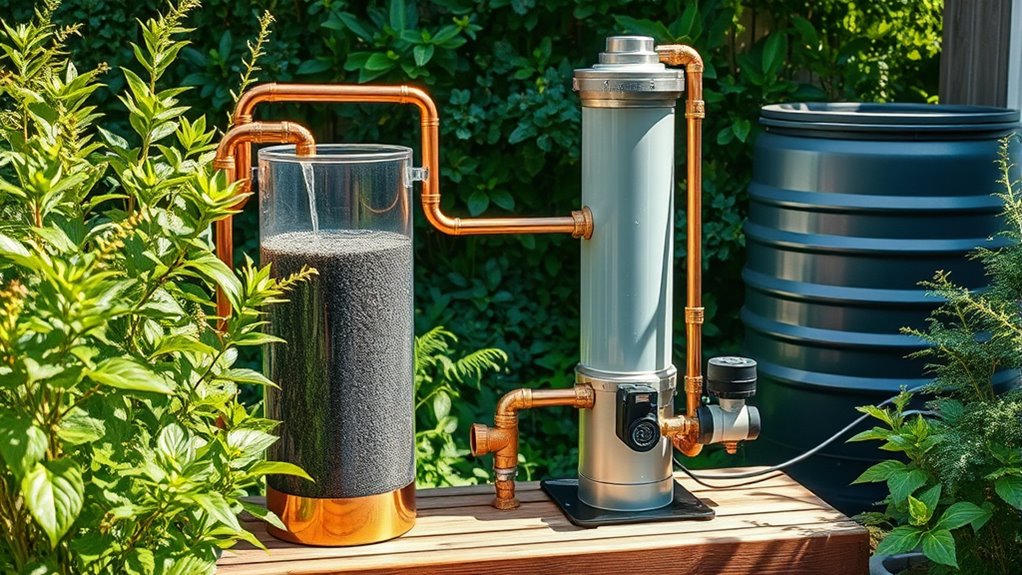
Greywater recycling is an effective way to conserve water and reduce your environmental impact. When setting up a sustainable system, you should consider integrating rainwater harvesting alongside greywater reuse. Rainwater harvesting involves collecting rainwater from your roof or other surfaces, storing it in tanks, and using it for irrigation, flushing toilets, or other non-potable uses. This process complements greywater recycling by providing an additional water source that reduces your reliance on municipal supplies. Combining these systems can notably lower your water bills and lessen your ecological footprint.
To make your greywater recycling system efficient, think about how your household generates greywater. Shower water, laundry effluent, and sink runoff are common sources. It’s essential to filter and divert greywater properly to prevent clogging and ensure safety. Installing a dedicated greywater system allows you to reuse water responsibly, but you should also explore sustainable toilet options like composting toilets. Composting toilets don’t require water for flushing, which means they drastically cut your overall water consumption and reduce the load on your greywater system.
When setting up your greywater system, consider the plumbing layout carefully. You want to divert greywater into designated treatment or storage units rather than letting it drain into the sewer. For example, simple gravel beds or mulch basins can effectively filter greywater for outdoor plant irrigation. If you’re using rainwater harvesting, connect your roof catchment to storage tanks with proper gutters and filters to prevent debris from contaminating your water supply. Regularly maintaining these components guarantees your system functions smoothly and safely.
Maintenance is key to keeping your greywater recycling system effective and hygienic. Check filters and screens frequently to remove hair, soap scum, and debris. If you have a composting toilet, follow the manufacturer’s guidelines for compost management, including turning and aerating the compost to prevent odors and promote healthy decomposition. For rainwater harvesting tanks, inspect for leaks, clean gutters, and ensure that screens are free of leaves and dirt. Keep an eye on water quality, and if you notice any unpleasant odors or discoloration, take action immediately to troubleshoot and clean your system. Additionally, using high-quality filtration can enhance water safety and system longevity.
Incorporating rainwater harvesting and composting toilets into your greywater recycling setup maximizes your water-saving potential. Regular maintenance and proper installation are essential to guarantee safety, efficiency, and longevity. By thoughtfully integrating these systems, you can substantially reduce your reliance on municipal water, minimize waste, and take a meaningful step toward a more sustainable lifestyle.

Greywater, Green Landscape: How to Install Simple Water-Saving Irrigation Systems in Your Yard
As an affiliate, we earn on qualifying purchases.
As an affiliate, we earn on qualifying purchases.
Frequently Asked Questions
Can Greywater Recycling Be Integrated With Existing Plumbing Systems?
Yes, you can integrate greywater recycling with your existing plumbing system. You’ll need to plan for plumbing integration carefully, ensuring it connects seamlessly without disrupting current water flows. Be aware of retrofit challenges, such as space limitations and code compliance. Consulting a professional helps navigate these challenges, making the process smoother. Properly integrating greywater recycling can reduce water bills and promote sustainability, making it a worthwhile upgrade for your home.
What Are the Common Signs of Greywater System Malfunctions?
When your greywater system whispers warnings, don’t ignore it. You might notice clogged pipes or foul odors, signaling malfunctions. These signs are like red flags waving in the wind, alerting you to blockages or leaks. If you see stagnant water or hear gurgling sounds, it’s time to check your system. Addressing these issues promptly keeps your greywater recycling running smoothly and prevents costly repairs.
How Long Does a Typical Greywater System Last Before Replacements Are Needed?
A typical greywater system lasts about 10 to 15 years, depending on system durability and maintenance frequency. To extend its lifespan, you should perform regular inspections, clean filters, and address any leaks promptly. Proper maintenance helps prevent premature failures and keeps the system running smoothly. Keep an eye on the condition of pipes and pumps, and schedule professional check-ups every few years to guarantee peak performance.
Are There Any Legal Restrictions on Greywater Use in My Area?
You should check your local regulations first, as they often dictate whether you need a permit for greywater use. Some areas have strict restrictions, while others promote it with specific guidelines. Contact your local health or environmental department to understand permit requirements and legal restrictions. Ignoring these rules could lead to fines or system disconnection, so always guarantee your greywater system complies with local laws before installation and use.
What Are the Best Practices for Preventing Odor in Greywater Systems?
To prevent odor in your greywater system, focus on odor control by ensuring proper system ventilation. Ventilate the system regularly to allow gases to escape and reduce buildup. Avoid clogging by using filters, and keep the system clean to prevent stagnation. Additionally, consider adding natural odor neutralizers like enzymes or beneficial bacteria. Regular maintenance keeps odors at bay and maintains a healthy, efficient greywater recycling setup.
rainwater harvesting tank
As an affiliate, we earn on qualifying purchases.
As an affiliate, we earn on qualifying purchases.
Conclusion
By now, you’re well-equipped to set up and maintain your greywater recycling system. Remember, patience is key—like planting seeds for a greener tomorrow. With proper care and attention, you’ll save water, reduce your impact, and enjoy the benefits of sustainable living. Don’t let small setbacks discourage you; every step forward is a step toward a healthier planet. Stay committed, stay informed, and watch your efforts pay off—because every drop counts in the grand scheme.
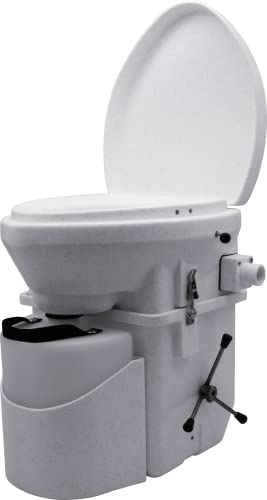
Nature's Head Self Contained Composting Toilet with Close Quarters Spider Handle Design
No one – and I mean no one – will beat my customer service and individual support
As an affiliate, we earn on qualifying purchases.
As an affiliate, we earn on qualifying purchases.
greywater filtration system
As an affiliate, we earn on qualifying purchases.
As an affiliate, we earn on qualifying purchases.