Installing a toilet flange in new construction is as essential as laying the foundation for a sturdy home. In this guide, I’ll walk you through the step-by-step process of installing a toilet flange, ensuring a secure and long-lasting fixture for your bathroom.
With the right tools and materials at your disposal, we’ll prepare the bathroom floor, install the flange, and test its stability.
Get ready to tackle this crucial task and enjoy a flawlessly functioning toilet in your new construction.
Key Takeaways
- Position the flange over the waste pipe, centered and aligned.
- Secure the flange to the floor using screws or nails.
- Connect the waste pipe and create a watertight seal.
- Check for leaks and proper alignment after installation.
Understanding the Toilet Flange and Its Importance
You need to understand the toilet flange and why it’s important in order to properly install it in your new construction.
The toilet flange is a crucial component of the plumbing system that connects the toilet to the waste pipe. Its purpose is to create a secure and watertight seal between the toilet and the floor, preventing leaks and ensuring proper waste disposal.
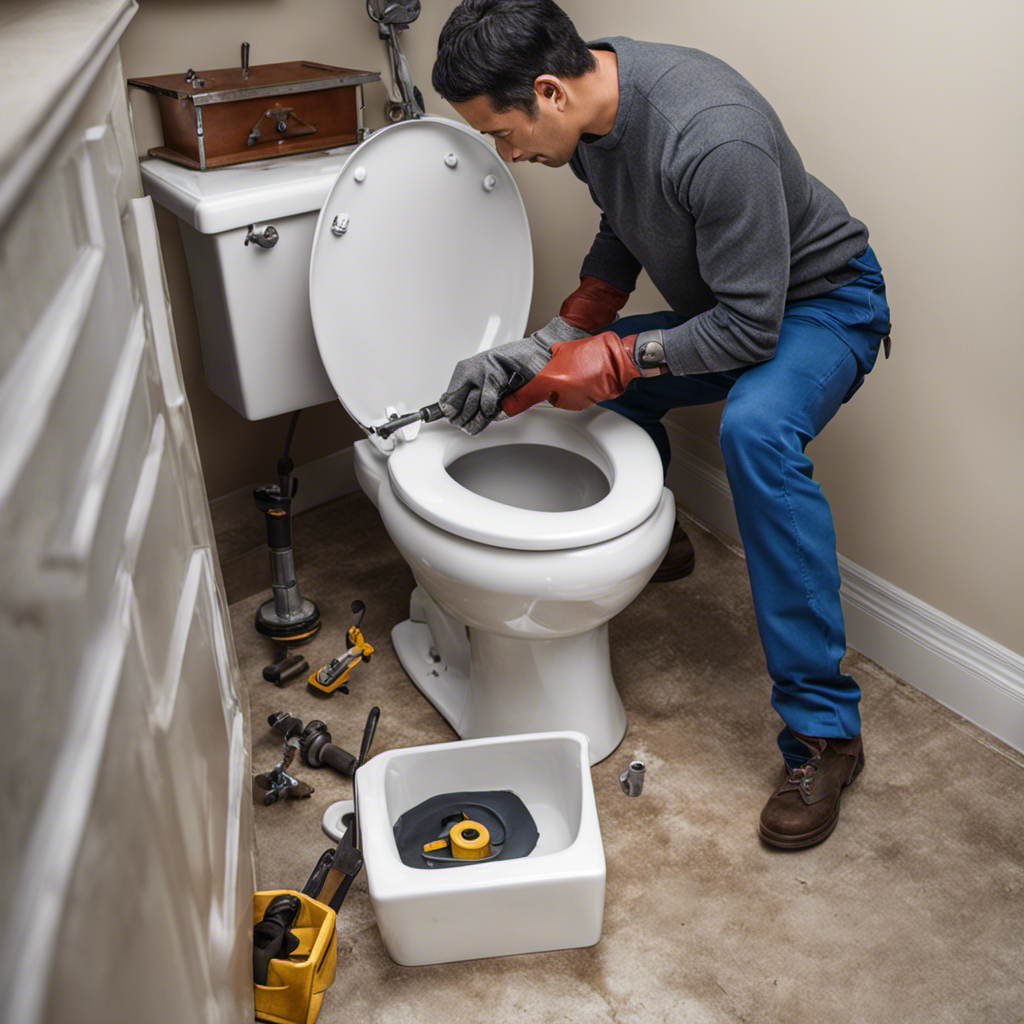
The toilet flange installation process involves attaching the flange to the floor using screws or bolts, aligning it with the waste pipe, and securing it in place. It is essential to ensure that the flange is level and properly sealed to avoid any future issues.
Common toilet flange issues include leaks, improper alignment, and cracked flanges. Troubleshooting these issues may require replacing the flange or making adjustments to ensure a proper fit.
Gathering the Necessary Tools and Materials
Before starting, make sure you have all the necessary tools and materials ready.
When it comes to choosing the right toilet flange, it’s important to consider the size, material, and type of flange that will work best for your bathroom. The flange should be compatible with your toilet’s outlet size and the type of flooring you have.
Ensure proper alignment of the flange by making sure it sits flush with the floor and is centered over the drain pipe. This will prevent any leaks or instability in the future.
Once you have chosen the right flange and ensured its proper alignment, you can move on to preparing the bathroom floor for flange installation. This step is crucial to ensure a secure and stable flange installation.
Preparing the Bathroom Floor for Flange Installation
Once you’ve gathered all the necessary tools and materials, it’s time to prepare the bathroom floor for flange installation.
Before proceeding, ensure that the bathroom floor is clean and free from any debris.
Begin by positioning the flange in the correct location. The flange should be centered over the waste pipe and aligned properly with the floor joists.
Use a pencil to mark the screw holes on the floor.
Next, remove the flange and drill pilot holes on the marked spots. This will make it easier to secure the flange later.
After drilling the pilot holes, place the flange back in position and attach it securely to the floor using screws.
Ensure that the flange is level and firmly fixed to the floor to prevent any future leaks or damage.
Installing the Toilet Flange in the New Construction
Position the newly constructed flange over the waste pipe, ensuring it is centered and aligned with the floor joists. This step is crucial for proper toilet flange installation.
Here are three important points to consider when installing a toilet flange in new construction:
-
Secure the flange to the floor: Use screws or nails to attach the flange to the subfloor. This will ensure stability and prevent movement or leaks.
-
Connect the waste pipe: Make sure the waste pipe is properly aligned with the flange opening. Use a rubber gasket or wax ring to create a watertight seal between the flange and the pipe.
-
Check for leaks and proper alignment: After installing the flange, perform a leak test by flushing the toilet and inspecting for any water leakage. Also, ensure that the toilet sits level and securely on the flange.
By following these steps, you can avoid common toilet flange maintenance issues and troubleshoot any problems before they become major concerns.
With the flange installed, we can now move on to testing and securing it for long-term use.
Testing and Securing the Toilet Flange for Long-Term Use
Now that the flange is in place, it’s important to check for any leaks and ensure that it is securely attached for long-term use.
To test the flange, you can use various methods. One common method is to pour water into the toilet bowl and flush it, checking for any leaks around the base. Another method is to apply a thin layer of soapy water around the flange and look for any bubbles, indicating a leak.
Additionally, you should inspect the flange for any cracks or damages and tighten any loose screws or bolts. Flange maintenance is crucial for avoiding future problems. Regularly inspect the flange, clean it to remove any debris or buildup, and replace any damaged parts as needed.
Frequently Asked Questions
Can a Toilet Flange Be Installed on Any Type of Bathroom Floor?
Yes, a toilet flange can be installed on any type of bathroom floor, including concrete and tile floors. It is important to follow proper installation techniques to ensure a secure and leak-free connection.
Do I Need to Purchase Any Additional Wax Rings or Seals for the Toilet Flange Installation?
I don’t need to purchase any additional wax rings or seals for the toilet flange installation. However, it’s important to avoid common mistakes such as not properly aligning the flange or using too much or too little wax ring.
How Long Does It Typically Take to Install a Toilet Flange in New Construction?
Typically, it takes about 1-2 hours to install a toilet flange in new construction. The cost can vary depending on the materials used and the plumber’s rates. The tools needed include a hacksaw, wrench, and wax ring.
Can the Toilet Flange Be Installed Before or After the Bathroom Tiles Are Laid?
The toilet flange should be installed before laying the bathroom tiles. This ensures proper placement and alignment of the flange with the toilet drain. It is essential for a secure and leak-free installation.
Is It Necessary to Hire a Professional Plumber for Toilet Flange Installation, or Can It Be Done as a DIY Project?
I’ve done it as a DIY project and saved money. It’s not too difficult if you have the right tools and follow a step-by-step guide. Common issues can be easily troubleshooted.
Conclusion
As I tighten the bolts and secure the toilet flange in place, I can’t help but feel a sense of accomplishment.
This simple yet vital component represents more than just a connection between the toilet and the floor. It symbolizes the solid foundation of a new beginning, the promise of convenience and comfort.
With the flange installed, I can rest assured knowing that this crucial element of the bathroom is ready for long-term use. It’s a small task, but one that brings a sense of satisfaction and peace of mind.