
TL;DR

Get home appliances delivered free with Prime
- Fast, free delivery on millions of items
- Prime Video, Amazon Music and more included
- Member-only deals all year
An Ideal Home report outlines five clues that could point to excess moisture: recurring window condensation, mould, musty smells, slow-drying indoor laundry and humidity readings regularly above 60%. The experts quoted say a dehumidifier may help manage airborne moisture, but it will not repair leaks or other sources of water damage.
An Ideal Home report has identified five everyday signs that may indicate excess moisture at home, including repeated window condensation, mould, musty smells, slow-drying laundry and humidity readings that regularly exceed 60%. Experts quoted in the report say a dehumidifier can help lower airborne moisture, but spotting these clues does not establish the cause of damp or rule out a leak or building fault.
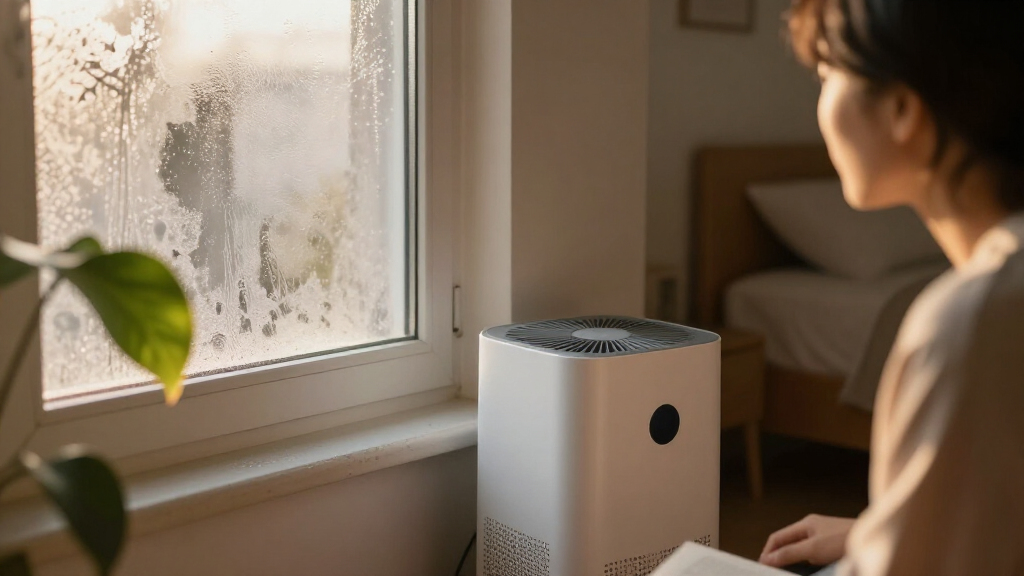
The first sign is regularly wet or steamy windows. Chris Michael, co-founder of Meaco and an air-treatment expert, told Ideal Home that condensation forms when moist air meets a cold surface. Wiping the glass removes water from the window, he said, but does not address excess moisture in the air. The report recommends checking humidity and keeping window frames and sills dry, alongside using extractor fans while cooking and showering.
Mould around windows, in cold corners or behind furniture is another reason to investigate. Michael said moisture created by cooking, showers and indoor laundry can travel through a home and settle on colder surfaces. Pamela Petty, director at Ebac, also named warped window ledges, peeling paint or wallpaper, and sticking doors as possible signs of excess moisture. Those symptoms can have other causes, and visible mould should not be treated as proof that a dehumidifier alone will resolve the problem.
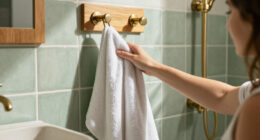
The report’s other clues are a persistent musty smell, clothes that remain damp after spending a long time on an indoor airer, and humidity readings that are regularly above 60%. Michael recommends around 55% relative humidity for UK homes. A hygrometer can help track readings over several days; a single measurement taken just after a shower may not reflect typical conditions. Indoor temperature, airflow and spacing between clothes can also affect laundry drying time.
When Household Damp Needs Attention
Recurring damp can be more than an inconvenience: condensation, mould and persistent odours may point to a moisture issue that needs investigation. Recognising a pattern can help residents decide whether to improve ventilation, monitor humidity or seek professional advice about the source. A dehumidifier may reduce moisture in the air, but it does not repair a leaking pipe, roof problem or water entering through damaged walls.
The distinction matters because treating only the symptom may leave the underlying problem in place. The report advises checking beyond the first visible patch, including behind furniture and inside cupboards. If damp is concentrated in one spot, or there are signs of water ingress, the cause should be investigated rather than assuming general indoor humidity is responsible.
Products Worth Considering

Bose TV Speaker Compact Soundbar with Bluetooth and HDMI-ARC, Black

Levoit Core 600S-P Smart Air Purifier for Large Rooms

Bose TV Speaker (2nd Gen) Compact Soundbar
As an affiliate, we earn on qualifying purchases.
How Everyday Moisture Builds Up
Cooking, showering and drying clothes indoors all release moisture into a home. The source report says this can be harder to manage in autumn and winter, when cooler conditions and windows staying closed for longer may limit ventilation. Moist air can then meet cold surfaces, such as window glass or corners, and form condensation.
The report frames a dehumidifier as one possible way to manage airborne moisture, not a substitute for identifying its source. Its five signs are indicators to check, rather than a diagnosis. The experts’ advice focuses on patterns over time—such as repeated condensation or consistently high humidity—alongside practical steps like using extractor fans and allowing air to circulate around furniture and laundry.
“Condensation forms when moist air meets a cold surface.”
— Chris Michael, Meaco co-founder and air-treatment expert, quoted by Ideal Home
What These Signs Cannot Diagnose
The reported clues do not confirm that a home needs a dehumidifier or establish why damp is present. Mould, peeling finishes and musty smells can call for further investigation, and the report specifically warns that a dehumidifier will not fix leaks, roof defects or water entering through damaged walls. It is not clear from the source what readings or symptoms would require professional assessment in every type of home.
Humidity also varies with activity and conditions. The report advises checking readings over several days rather than relying on a single result immediately after bathing. It does not provide a testing method for distinguishing condensation from water ingress, nor does it establish that a particular dehumidifier will be suitable for every room or household.
Track Readings and Find the Source
Residents noticing these signs can monitor humidity over several days, use extractor fans during cooking and showering, keep air moving around furniture, and leave space between clothes on indoor airers. If using a dehumidifier, follow the manufacturer’s instructions and consider whether the issue is limited to a particular room or area.
Persistent or localised damp should prompt checks for a leak or building problem, rather than reliance on moisture removal alone. The source report does not announce a regulatory change or a scheduled follow-up; the next step for households is to assess whether the symptoms persist and investigate their cause.
Key Questions
What are the five signs that may point to excess moisture?
The report lists repeated window condensation, mould, a lingering musty smell, slow-drying indoor laundry and humidity readings regularly above 60%. They are clues to investigate, not a diagnosis.
What humidity level does the expert recommend?
Chris Michael recommends around 55% relative humidity for UK homes. He says readings regularly above 60% may indicate excess moisture. The report advises checking over several days rather than relying on one reading.
Will a dehumidifier fix mould or damp?
A dehumidifier may help reduce airborne moisture, but it will not repair a leaking pipe, roof problem or damaged wall. The source of persistent or localised damp needs investigation, and existing mould also requires attention.
Why does indoor laundry take longer to dry in colder months?
The report says cooler temperatures and closed windows can make it harder for laundry to dry and moisture to escape. Airflow, temperature and how closely clothes are hung also affect drying time.
Source: rss