When choosing between cast iron and acrylic bathtubs, consider that cast iron offers durability, resistance to chipping, and long-term value, but it’s heavy and costly to install. Acrylic tubs are lightweight, easier to install, and cheaper upfront but can scratch or stain over time. Your decision depends on your priorities for longevity, budget, and maintenance. Keep exploring to uncover how each option fits your bathroom needs.
Key Takeaways
- Cast iron tubs are highly durable and long-lasting but have higher upfront costs and heavier weight, making installation more complex.
- Acrylic tubs are lightweight, affordable, and easier to install, though they may be prone to scratches and staining over time.
- Cast iron resists chipping and cracking, whereas acrylic can warp or crack under impacts or heat.
- Maintenance for cast iron is simple with regular cleaning, while acrylic requires careful cleaning to prevent scratches and stains.
- Long-term costs depend on durability and maintenance, with cast iron often lasting longer despite higher initial investment.

Are you trying to decide between a cast iron or acrylic bathtub? Both options have their perks, but understanding how they compare in regarding installation costs and maintenance requirements can help you make the right choice. Cast iron tubs tend to be heavier and more durable, but that weight also influences installation costs. Because they are heavier, you’ll likely need a stronger floor support, which might mean additional reinforcement or specialized labor, ultimately raising the installation expenses. Acrylic tubs, on the other hand, are lightweight and easier to handle, often making installation faster and less costly. Their lighter weight means you might not need extra structural support, saving you money upfront.
Acrylic tubs are lighter and easier to install, reducing labor and structural support costs.
When it comes to maintenance requirements, cast iron bathtubs are known for their longevity. Their enamel coating resists scratches and stains well, which means they don’t require much more than regular cleaning with non-abrasive cleaners. However, if the enamel chips or cracks, repairs can be expensive and tricky, sometimes leading to rust if not properly addressed. Acrylic tubs are also low-maintenance, but they do need regular cleaning to prevent soap scum and buildup. They’re more susceptible to scratches and staining over time, which can affect their appearance. Luckily, minor scratches on acrylic can often be buffed out, and stains can be removed with suitable cleaning products. Additionally, the ease of maintenance of each material can influence how much effort and time you’ll spend keeping your bathtub looking its best.
Durability is another factor that influences your decision. Cast iron tubs are virtually indestructible when properly installed, making them a long-term investment. They resist chipping and cracking, but their weight makes handling and installation more complex. Acrylic tubs, while fragile compared to cast iron, are less likely to crack under stress; however, they can crack or warp if subjected to heavy impacts or extreme heat.
Cost-wise, aside from installation, the long-term expenses also differ. Cast iron tubs typically have a higher initial purchase price, but their durability can mean fewer repairs over the years. Acrylic tubs are generally more affordable upfront but might require replacement sooner due to scratches, discoloration, or warping. When considering maintenance requirements, both materials are relatively easy to keep clean, but cast iron’s surface is more resistant to damage, reducing the need for repairs. Ultimately, your choice hinges on balancing installation costs, ease of maintenance, and how long you want your bathtub to last.
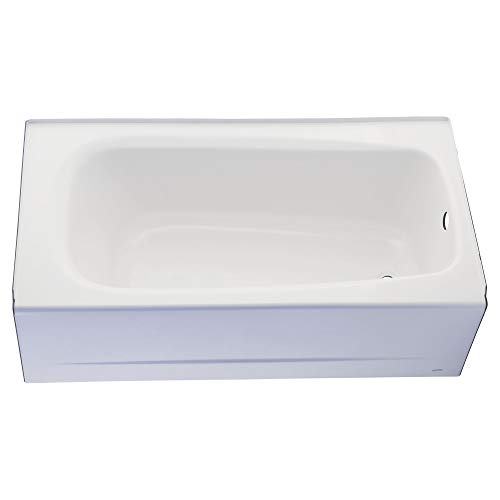
American Standard 2460002.020 Cambridge Apron-Front Americast Soaking Bathtub Left Hand Drain,60 x 32 In, White, 50-60 gal
Americast engineered steel with glossy porcelain finish
As an affiliate, we earn on qualifying purchases.
As an affiliate, we earn on qualifying purchases.
Frequently Asked Questions
Which Bathtub Material Is More Eco-Friendly?
You’ll find that cast iron bathtubs are more eco-friendly because of their eco-friendly manufacturing process, which uses fewer harmful chemicals and generates less waste. They’re highly recyclable and durable, meaning you can dispose of them responsibly or repurpose them. Acrylic tubs, however, involve energy-intensive production and are less recyclable, often ending up in landfills. So, if sustainability matters, cast iron is the better choice for eco-conscious homeowners.
How Do Installation Costs Compare Between Cast Iron and Acrylic?
Like building a house on a solid foundation, understanding the cost comparison helps you make smarter choices. Acrylic tubs typically cost less to install because they’re lightweight and easier to handle, facing fewer installation challenges. Cast iron tubs, however, require more labor and reinforcement, increasing installation costs. You’ll spend more upfront on cast iron, but it offers durability. Weigh these factors carefully to decide what fits your budget and needs best.
Are Acrylic Tubs More Prone to Scratching Than Cast Iron?
Yes, acrylic tubs are more prone to surface scratches than cast iron. Durability concerns arise because acrylic is a softer material, making it more vulnerable to surface scratches from sharp or abrasive objects. To maintain your acrylic tub’s appearance, avoid using harsh cleaning tools and be cautious with bath products. While acrylic offers advantages like lighter weight, understanding its surface scratches susceptibility helps you better care for it.
What Is the Typical Lifespan of Each Bathtub Type?
Think of durability as your bathtub’s legacy—you’ll want it to stand the test of time. A cast iron tub often lasts 50 years or more, thanks to its robust build, while acrylic tubs typically endure around 10-15 years with proper maintenance. Cast iron requires minimal maintenance but is heavy, whereas acrylic is easier to install and repair but may scratch or discolor over time. Choose based on long-term durability and upkeep.
Do These Materials Affect Bathroom Resale Value?
Yes, the material can influence your bathroom’s resale value. Cast iron tubs often boost resale because of their durability and classic appeal, which enhances material perception. Acrylic tubs may appeal to buyers seeking affordability and modern styles, but they might not add as much value. Your choice impacts how potential buyers perceive your bathroom, so consider what aligns best with your market and long-term goals.

KINGSTON BRASS VTDE603122R 60-Inch Contemporary Alcove Acrylic Bathtub with Right Hand Drain and Overflow Holes, White
Acrylic construction with fiberglass and resin reinforcement, three wall alcove installation with tile flange and integral tub apron…
As an affiliate, we earn on qualifying purchases.
As an affiliate, we earn on qualifying purchases.
Conclusion
Choosing between cast iron and acrylic bathtubs is like selecting a hero for your bathroom story—you’ll want durability and comfort, but each has its own charm. Cast iron offers timeless strength, echoing the resilience of ancient armor, while acrylic provides modern flexibility and ease. Ultimately, your choice shapes your sanctuary, much like a hero’s path defines their destiny. Weigh the pros and cons, and craft your perfect retreat where every soak feels like a legendary escape.

Tub Repair Kit White, Tub Chip and Bathtub Repair Kit for Enamel, Fiberglass, Acrylic, Porcelain, Patch and Repairs Chips, Crack, Scratches, Rust, Holes on Tubs, Toilet, Sink, Shower, Tray in Bathroom
Permanently Repair Bathtub Chips, Cracks and Holes: For Fiberglass, Enamel, Acrylic; restore a glossy, non-yellowing, leak-stopping and chip…
As an affiliate, we earn on qualifying purchases.
As an affiliate, we earn on qualifying purchases.
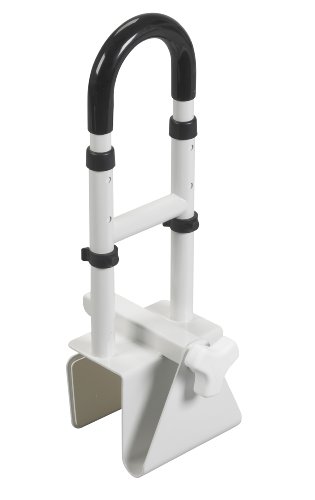
Drive Medical Adjustable Bathtub Grab Bar & Bathtub Safety Rail – Easy Clamp-On Installation – Durable Powder-Coated Steel Construction – Adjustable Height 14” to 17” – Scratch Proof Non-Slip Pads
Tub Grab Bar: The Drive Medical Adjustable Bathtub Grab Bar provides secure support for bathing, featuring clamp-on installation…
As an affiliate, we earn on qualifying purchases.
As an affiliate, we earn on qualifying purchases.